Clinical cautions1 sources
STOP: NSAIDs in Chronic Kidney Disease
This knowledge-base record is being expanded from WikiBiome’s evidence graph.
 WikiBiomeThe human microbiome encyclopedia
Ranked matches across titles, topics, categories, and article introductions.
This knowledge-base record is being expanded from WikiBiome’s evidence graph.
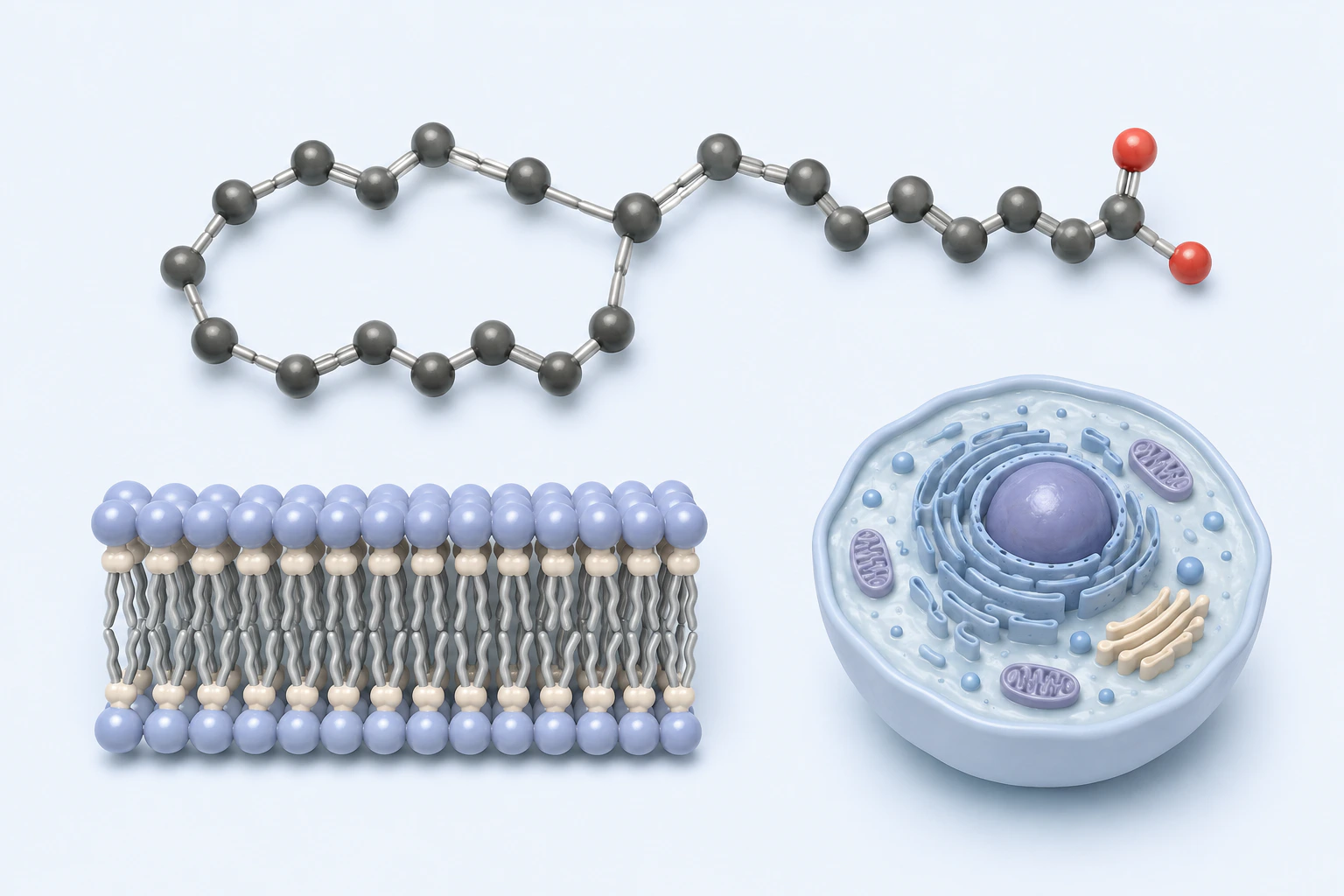
Arachidonic acid (AA) is a 20-carbon omega-6 polyunsaturated fatty acid (20:4n-6) that serves as the primary substrate for prostaglandin and leukotriene synthesis via COX-2 and 5-LOX pathways. It is the dominant pro-inflammatory lipid mediator — and its balance with ant…
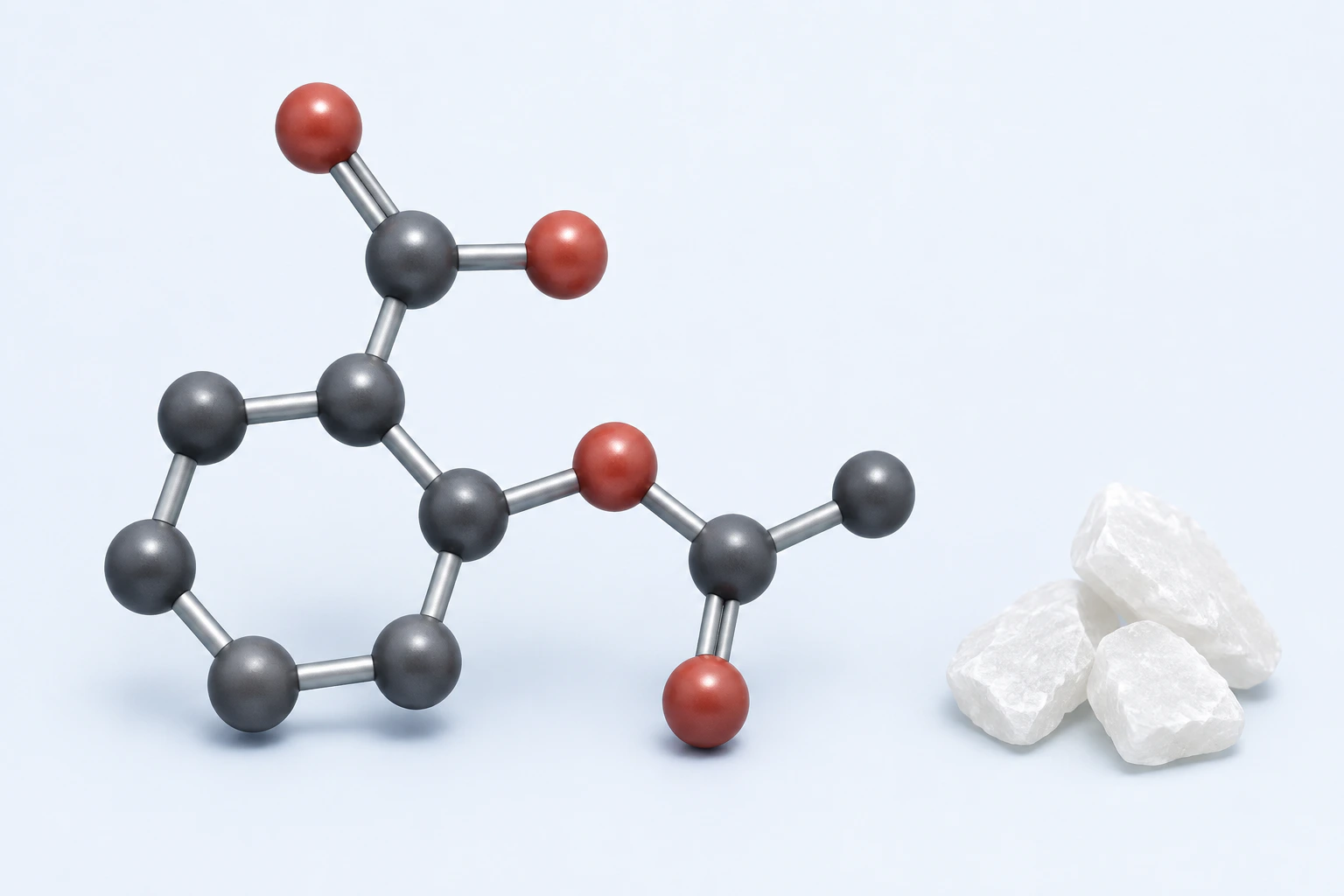
Aspirin (acetylsalicylic acid) is a non-steroidal anti-inflammatory drug (NSAID) that irreversibly inhibits cyclooxygenase (COX) enzymes, suppressing prostaglandin synthesis. While widely used as an antiplatelet and anti-inflammatory agent, aspirin carries significant i…
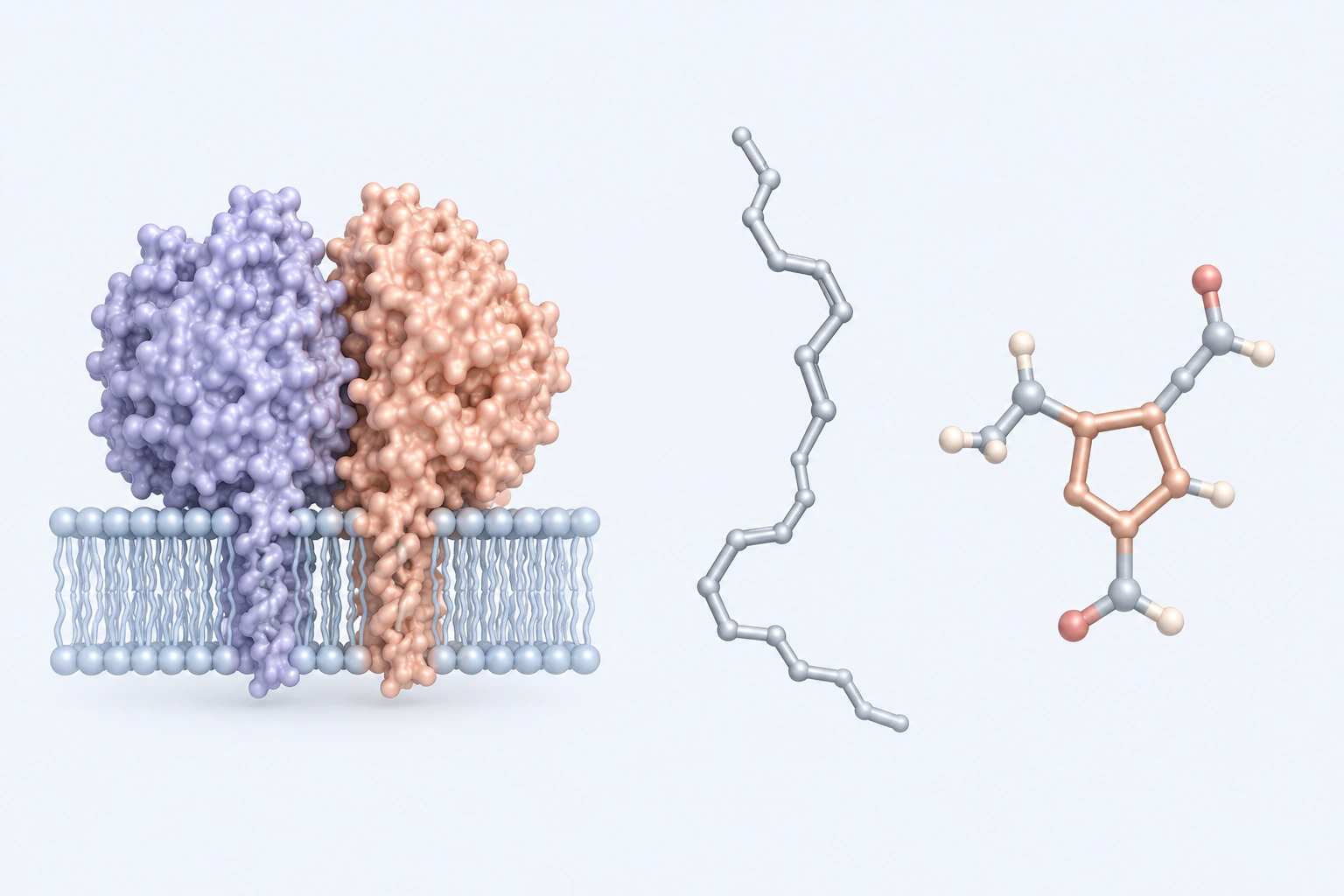
Cyclooxygenase-2 (COX-2) is the inducible enzyme that converts arachidonic acid to prostaglandin H₂ — the precursor of prostaglandin E₂ (PGE₂), prostacyclin, and thromboxane. Unlike COX-1 (constitutive, homeostatic), COX-2 is transcriptionally induced by nf kappa b duri…

Drug repurposing (also called drug repositioning) is the strategy of identifying new therapeutic uses for existing approved drugs. It dramatically accelerates the path from bench to bedside because safety, pharmacokinetics, and manufacturing are already established. In …
Pharmacomicrobiomics is the study of bidirectional interactions between drugs and the microbiome. The gut microbiome is not a passive bystander in pharmacology -- it actively metabolizes drugs, alters their bioavailability, and modulates therapeutic efficacy. Conversely…