
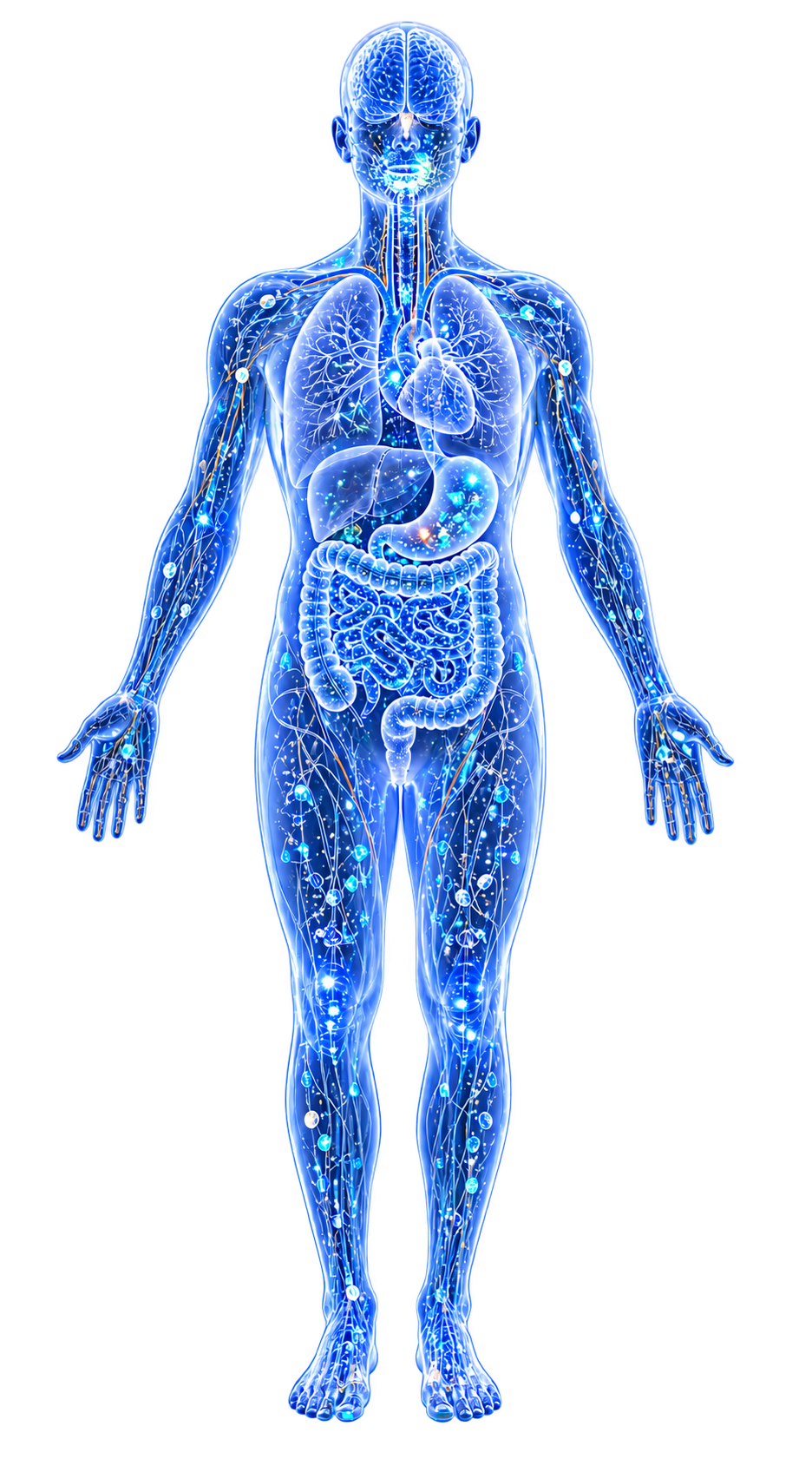
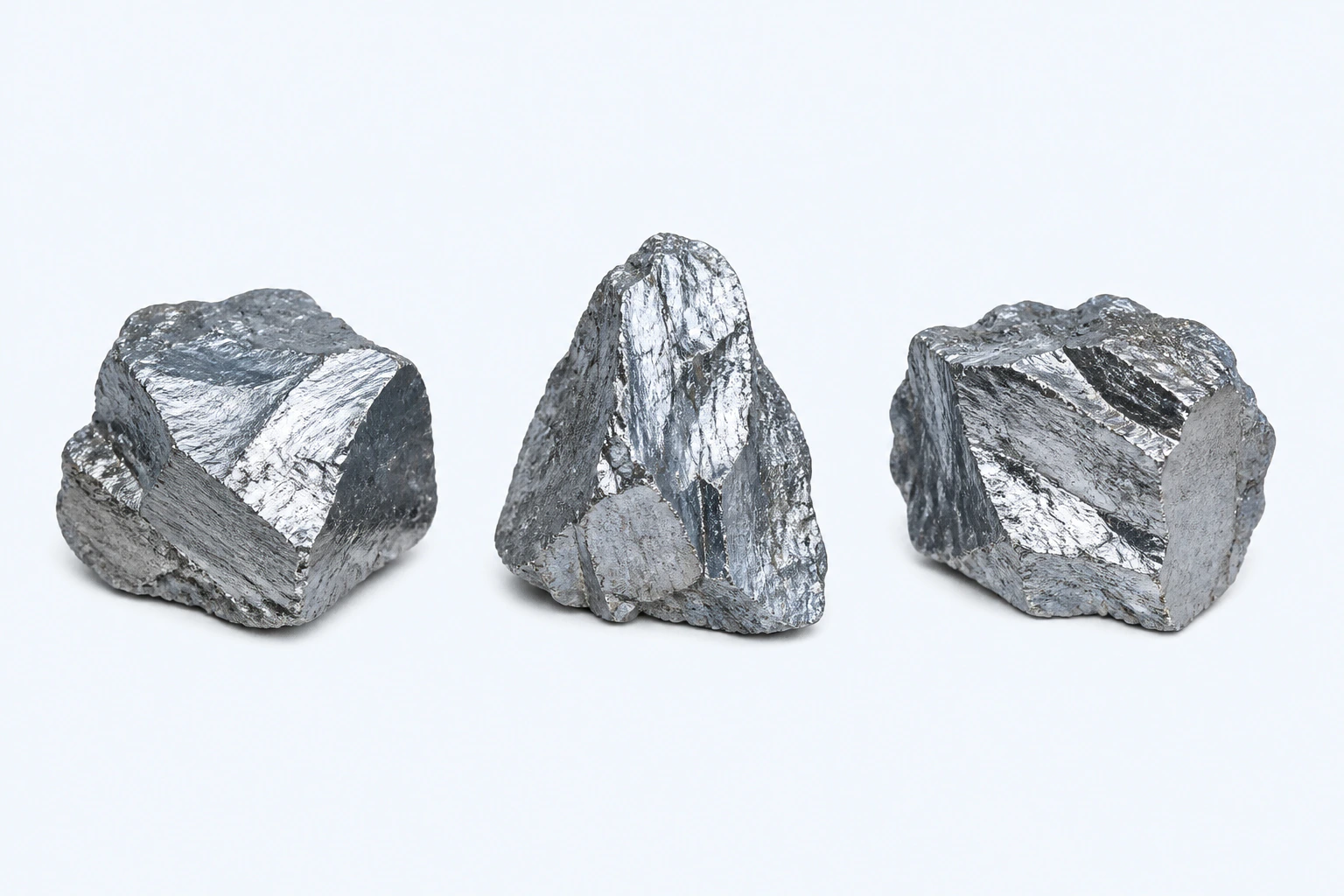
Elemental cobalt (Co), shown as three representative hard silver-gray specimens. Form and surface vary with purity, processing, and oxidation; this is not ore, pigment, analytical reference material, or a photograph.
Scientific media record2 verified identifiers
- Subject
- Cobaltelement
- Identifiers
- Atomic number 27PubChem CID:104730
- Review
- Editorial review completeIdentifiers authority-verified · Accessibility validated · · cobalt|cobalt-technical-specimen-v1.webp
- Digital source
- Trained-algorithmic mediaCreated with a trained generative algorithm and reviewed by WikiBiome for subject identity, scientific framing, identifiers, provenance, and accessibility.
- Scientific basis
- Cobalt — PubChem ElementCobalt, PubChem CID 104730
- License
- CC BY-SA 4.0Created
A transition metal that is essential to human health exclusively as a component of cobalamin (vitamin B12), but toxic at higher levels of exposure. Cobalt occupies a distinctive position in metal biology: it is the only metal whose essential biological function in mammals is entirely mediated through a single vitamin.
In microbial systems, cobalt is more widely used as a direct enzyme cofactor. Cobalt also has significant toxicological and immunological relevance due to its frequent co-occurrence with Nickel in allergy, occupational exposure, and microbial metal transport.
Evidence map8 cited passagesInspect provenance +
U-shaped dose-response: both deficiency (as B12 deficiency) and excess cause harm.
NiCoT-type transporters: The NixA transporter family in pathogens transports both nickel and cobalt, reflecting shared coordination chemistry.
CznABC efflux pump in helicobacter pylori: Exports cadmium, zinc, and nickel—cobalt is also a substrate, reflecting the need to manage multiple divalent cation concentrations.
Staphylopine (staphylococcus aureus): A nicotianamine-like metallophore originally characterized for zinc but also binds nickel and cobalt, facilitating metal acquisition during infection.
Cobalt generates ROS through Fenton-like chemistry (Co2+/Co3+ cycling), though less efficiently than iron or copper.
Cobalt was measured in toenails in the Sister Study prospective analysis (n=1,495 breast cancer cases): no significant association with breast cancer risk overall.
Cobalt (1.39 ug/L) was elevated in the peritoneal fluid of an endometriosis patient at a 5:1 ratio vs. control.
Included in multi-metal panels studying heavy metal associations with arthritis.
Contents
1. Chemical Properties2. Sources of Exposure3. Biological Roles4. Health Effects5. ConnectionsChemical Properties#
Transition metal (Group 9); primarily exists as cobalt(II) (Co2+) and cobalt(III) in biological systems. Density 8.9 g/cm3; ferromagnetic. Essential component of cobalamin (vitamin B12), where cobalt(III) is coordinated in a corrin ring.
U-shaped dose-response: both deficiency (as B12 deficiency) and excess cause harm.[1]Heavy Metal Pollution in the Environment and Their Toxicological Effects on HumansJessica Briffa, Emmanuel Sinagra, Renald Blundell · 2020Open reference 1 ↓
Sources of Exposure#
Dietary#
As vitamin B12: meat, fish, dairy, eggs (exclusively animal sources for preformed B12). Inorganic cobalt: leafy greens, nuts, cereals; low bioavailability.
Occupational and Environmental#
Hard metal (tungsten carbide-cobalt) manufacturing, diamond polishing, battery production (lithium-cobalt oxide). Cobalt-chromium orthopedic implants release cobalt (Co) ions into surrounding tissue and systemic circulation. Classified by IARC as Group 2B (possibly carcinogenic to humans) for cobalt metal and cobalt compounds.
Biological Roles#
Vitamin B12 (Cobalamin)#
Cobalt's sole essential function in mammals is as the central metal ion in vitamin B12.
Methylcobalamin: Cofactor for methionine synthase (converts homocysteine to methionine; critical for methylation reactions and DNA synthesis). Adenosylcobalamin: Cofactor for methylmalonyl-CoA mutase (propionate metabolism; odd-chain fatty acid and branched-chain amino acid catabolism). B12 deficiency causes megaloblastic anemia and neurological damage (subacute combined degeneration of the spinal cord).
Microbial Cobalt Biology#
Cobalt is more broadly used in prokaryotic enzymes. NiCoT-type transporters: The NixA transporter family in pathogens transports both nickel and cobalt, reflecting shared coordination chemistry.[2]Role of Nickel in Microbial PathogenesisRobert J. Maier, Stéphane L. Benoit · 2019Open reference 2 ↓
CznABC efflux pump in Helicobacter pylori: Exports cadmium, zinc, and nickel—cobalt is also a substrate, reflecting the need to manage multiple divalent cation concentrations.[2]Role of Nickel in Microbial PathogenesisRobert J. Maier, Stéphane L. Benoit · 2019Open reference 2 ↓
Staphylopine (Staphylococcus aureus): A nicotianamine-like metallophore originally characterized for zinc but also binds nickel and cobalt, facilitating metal acquisition during infection.[2]Role of Nickel in Microbial PathogenesisRobert J. Maier, Stéphane L. Benoit · 2019Open reference 2 ↓
Cobalt is relevant to the Nutritional Immunity (Metal Sequestration) framework: hosts may sequester cobalt (Co) alongside other transition metals to limit pathogen access.
Health Effects#
Nickel-Cobalt Cross-Reactivity and Allergy#
Concomitant nickel-cobalt contact allergy is well established. cobalt and nickel share similar ionic radii (cobalt(II) (Co2+) = 0.74 A; nickel(II) (Ni2+) = 0.72 A) and coordination chemistry, leading to cross-sensitization. Patients with Nickel Allergy and Allergic Contact Dermatitis frequently test positive for cobalt on patch testing.
Relevant to the interpretation of Low-Nickel Diet studies, as dietary cobalt sources overlap with nickel sources (legumes, whole grains, nuts, chocolate).
Toxicity at High Levels#
Cardiomyopathy: Historic "beer drinker's cardiomyopathy" from cobalt-stabilized beer foam (1960s Quebec, Belgium); cobalt damages mitochondria in cardiomyocytes. Hard metal lung disease: Interstitial lung disease (giant cell pneumonitis) from tungsten carbide-cobalt dust inhalation.
Implant-related toxicity: Cobalt-chromium hip prostheses release cobalt/chromium (Cr) ions; elevated blood cobalt associated with neurological symptoms, thyroid dysfunction, and cardiomyopathy (arthroprosthetic cobaltism). Cobalt generates ROS through Fenton-like chemistry (cobalt(II) (Co2+)/cobalt(III) cycling), though less efficiently than iron or copper.[1]Heavy Metal Pollution in the Environment and Their Toxicological Effects on HumansJessica Briffa, Emmanuel Sinagra, Renald Blundell · 2020Open reference 1 ↓
Cancer Associations#
- Cobalt was measured in toenails in the Sister Study prospective analysis (n=1,495 breast cancer cases): no significant association with Breast Cancer risk overall.[3]Metals and Breast Cancer Risk: A Prospective Study Using Toenail BiomarkersNiehoff NM, O'Brien KM, Keil AP et al. · 2021Open reference 3 ↓
Endometriosis#
- Cobalt (1.39 ug/L) was elevated in the peritoneal fluid of an endometriosis patient at a 5:1 ratio vs. control.[4]Elevated Lead, Nickel, and Bismuth Levels in the Peritoneal Fluid of a Peritoneal Endometriosis Patient without Toxic Habits or Occupational Exposure following a Vegetarian DietLopez-Botella A, Gomez-Torres MJ, Sanchez R et al. · 2023Open reference 4 ↓
Rheumatoid Arthritis#
- Included in multi-metal panels studying heavy metal associations with arthritis.[5]Analyzing the impact of heavy metal exposure on osteoarthritis and rheumatoid arthritis: an approach based on interpretable machine learningFan W, Pi Z, Kong K et al. · 2024Open reference 5 ↓
Connections#
- Nickel—shared transport systems (NiCoT), cross-reactive allergy, overlapping dietary sources
- cobalt is the essential metal center of cobalamin
- Helicobacter pylori—CznABC pump exports cobalt (Co); NiCoT transporters handle both nickel (Ni) and cobalt
- Staphylococcus aureus—staphylopine metallophore binds cobalt
- Nutritional Immunity (Metal Sequestration)—cobalt sequestration as part of host metal restriction strategy
- Nickel Allergy and Allergic Contact Dermatitis—concomitant nickel-cobalt contact allergy is clinically common
- Oxidative Stress—cobalt generates ROS via Fenton-like chemistry at toxic levels
- Chromium—cobalt-chromium (Cr) alloys in orthopedic implants; dual metal ion release
References 7
Numbered by first appearance in the article, then reconciled with its declared source list.
- 1
Jessica Briffa, Emmanuel Sinagra, Renald Blundell (2020). Heavy Metal Pollution in the Environment and Their Toxicological Effects on Humans. Heliyon.
- 2
★Robert J. Maier, Stéphane L. Benoit (2019). Role of Nickel in Microbial Pathogenesis. Inorganics.
- 3
Niehoff NM, O'Brien KM, Keil AP et al. (2021). Metals and Breast Cancer Risk: A Prospective Study Using Toenail Biomarkers. American Journal of Epidemiology.
- 4
Lopez-Botella A, Gomez-Torres MJ, Sanchez R et al. (2023). Elevated Lead, Nickel, and Bismuth Levels in the Peritoneal Fluid of a Peritoneal Endometriosis Patient without Toxic Habits or Occupational Exposure following a Vegetarian Diet. Toxics.
- 5
Fan W, Pi Z, Kong K et al. (2024). Analyzing the impact of heavy metal exposure on osteoarthritis and rheumatoid arthritis: an approach based on interpretable machine learning. Frontiers in Nutrition.
- 6
Akbari MS, Doran KS, Burcham LR (2022). Metal Homeostasis in Pathogenic Streptococci. Microorganisms.
- 7
★James E. Cassat, Eric P. Skaar (2012). Metal Ion Acquisition in Staphylococcus aureus: Overcoming Nutritional Immunity. Seminars in Immunopathology.
Article network
Mentioned here 9
Pages linking here 8
Connect the evidence
Publicly readable discussion by ORCID-authenticated researchers. Questions, interpretation, methods, corrections, and new evidence stay attached to this record.
No discussion yet. Start with a precise question or a source-backed observation.
Activity and accepted changes
Accepted researcher context, editorial status, public discussion, and upstream Git revisions are shown together. Pending, declined, and withdrawn proposals remain private.
- published revision
massive wiki expansion: 149 stubs fixed, 100+ new pages, Rule 15 scan, keystone papers
WikiBiome Deploy Bot · +9 −9
Inspect exact Git diff ↗ - published revision
WikiBiome update — 2026-04-15 17:23
WikiBiome Deploy Bot · +1 −1
Inspect exact Git diff ↗ - published revision
wiki: bulk entity upgrades, new article pages, and site regeneration
WikiBiome Deploy Bot · +6 −0
Inspect exact Git diff ↗ - published revision
WikiBiome update — integrity fixes, metallomic diet pages, cross-condition analyses
WikiBiome Deploy Bot · +11 −9
Inspect exact Git diff ↗ - published revision
WikiBiome v7 — interactive microbiome metallomics encyclopedia
Karen Pendergrass · +87 −0
Inspect exact Git diff ↗