WikiBiomeThe human microbiome encyclopedia
WikiBiome/Search: “iron”
Encyclopedia search

Search: “iron”

Ranked matches across titles, topics, categories, and article introductions, filtered to mechanism.

76 records in this view
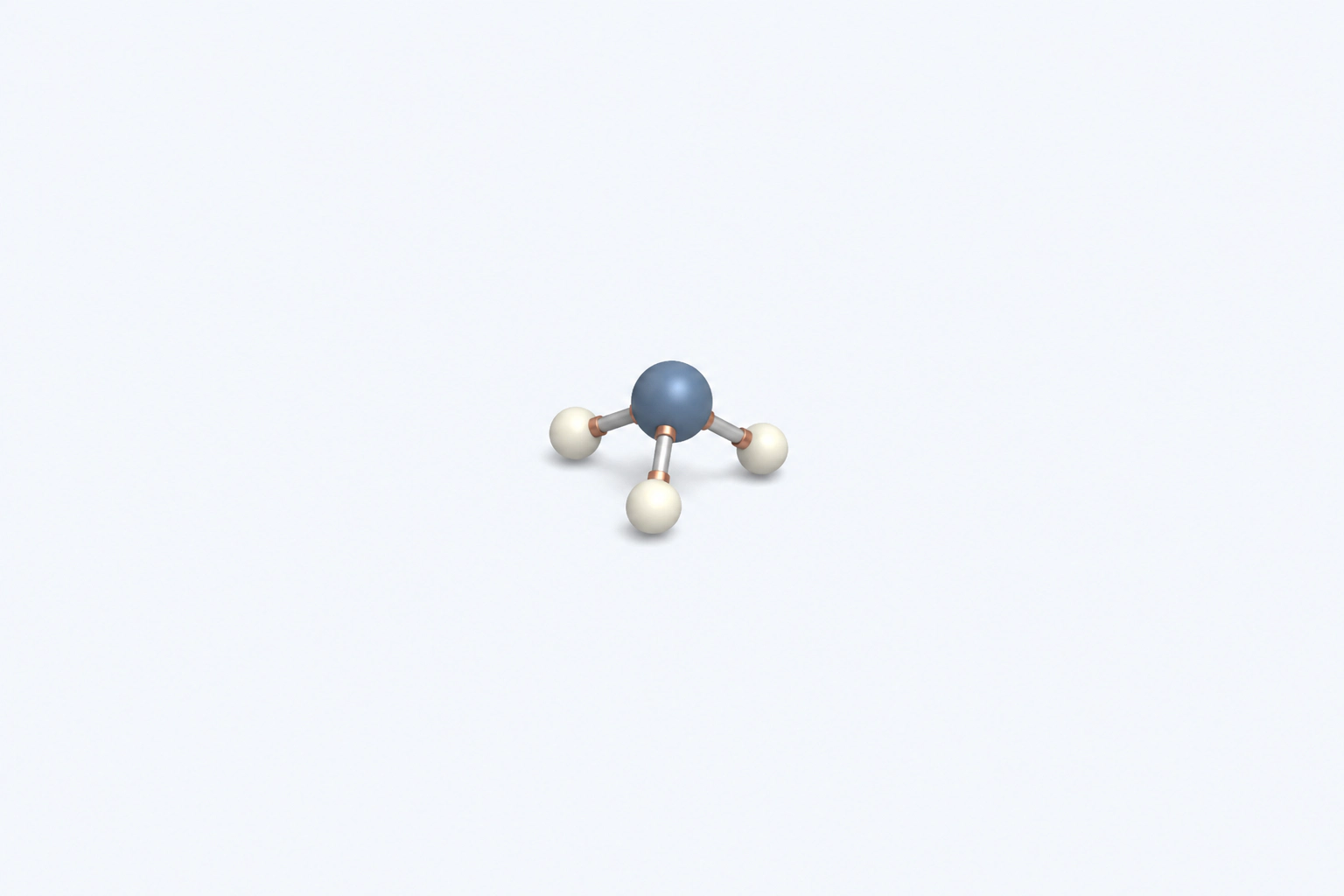
A compact trigonal-pyramidal ammonia teaching model shows one central nitrogen sphere connected to three hydrogen spheres.
Mechanisms4 sources

Ammonia

Ammonia is a nitrogen-containing product of microbial urease activity. When urease hydrolyzes urea, ammonia and bicarbonate are produced; in the microbial systems covered by WikiBiome, those products can provide nitrogen and raise local pH maier 2019 nickel microbial pa

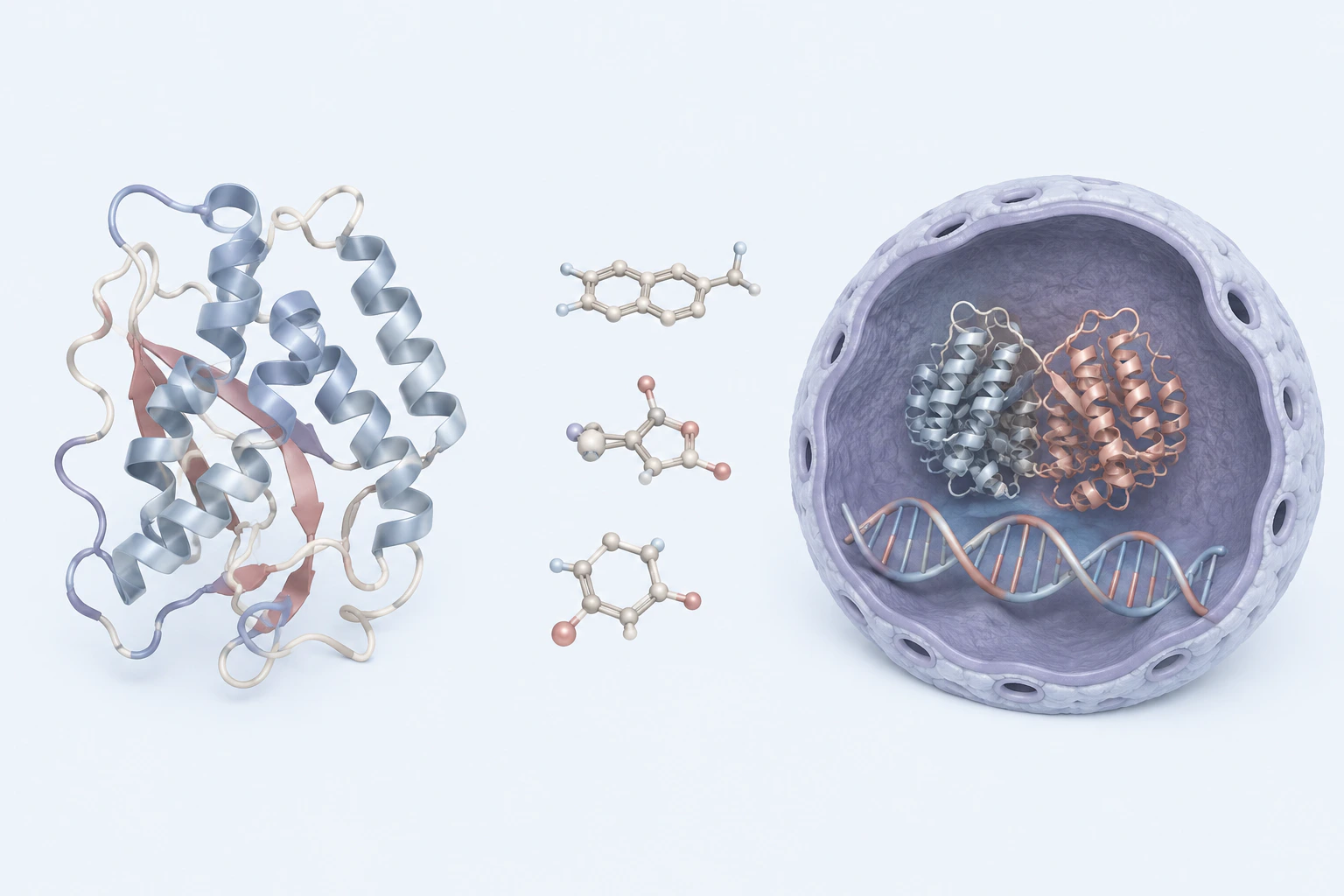
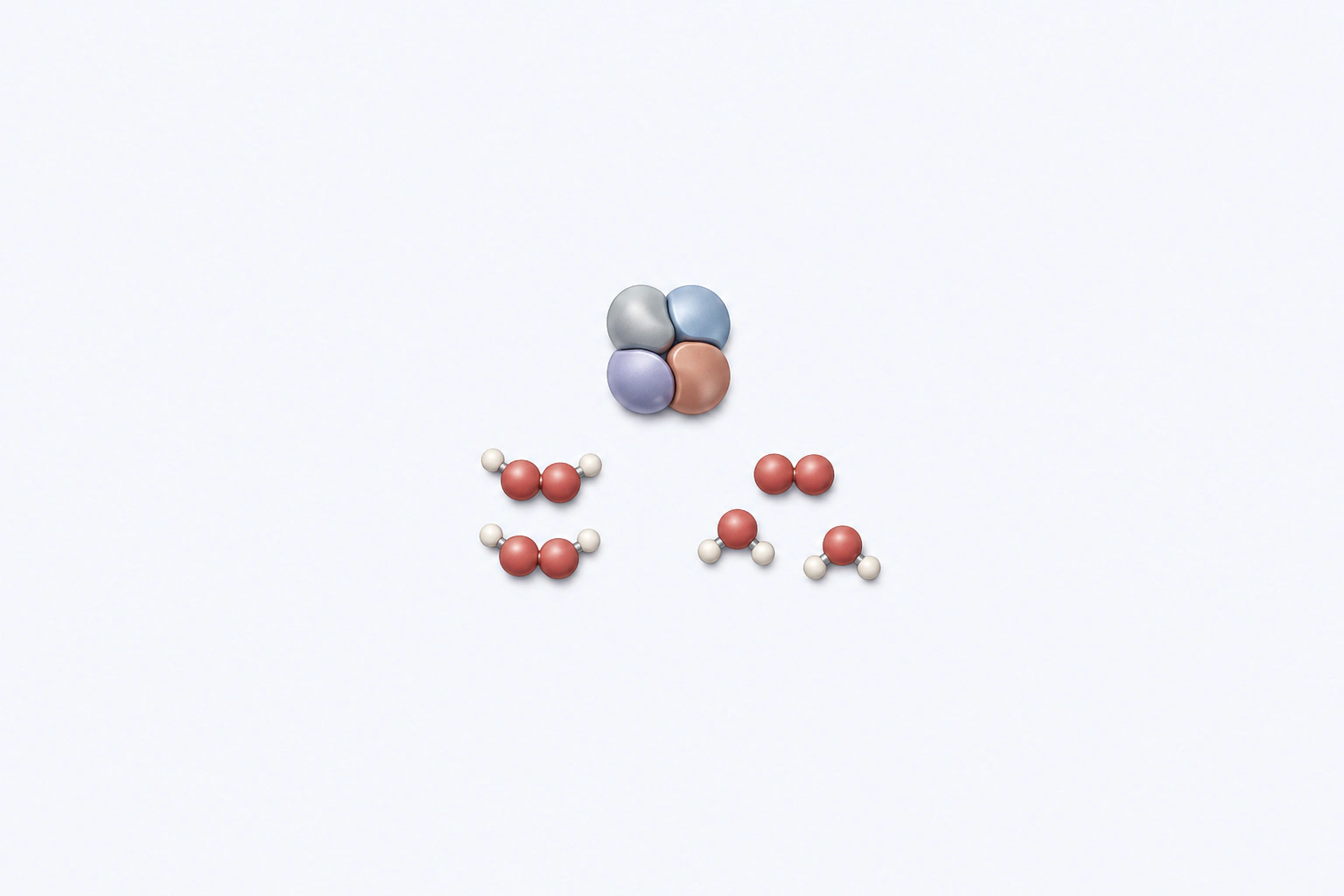
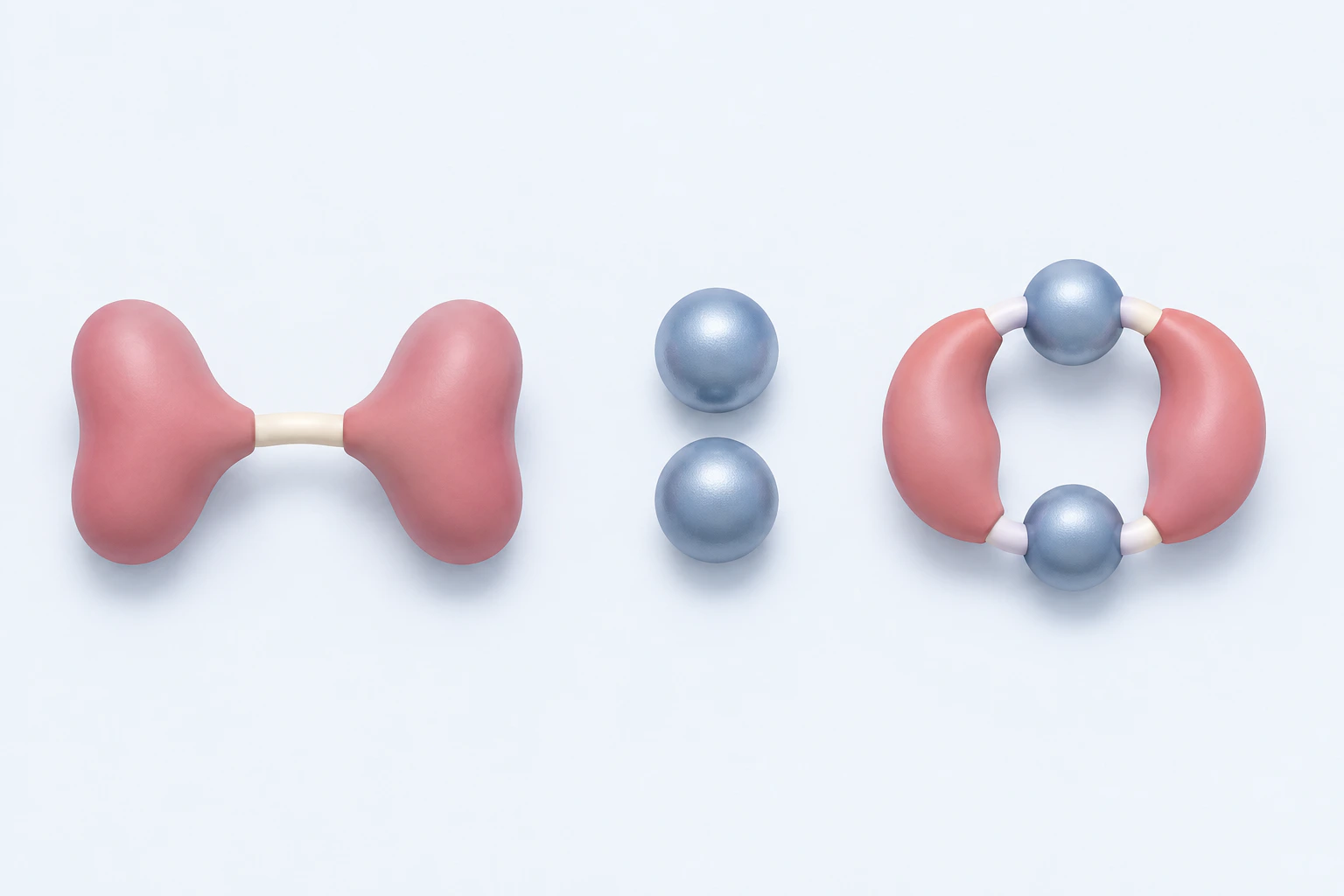
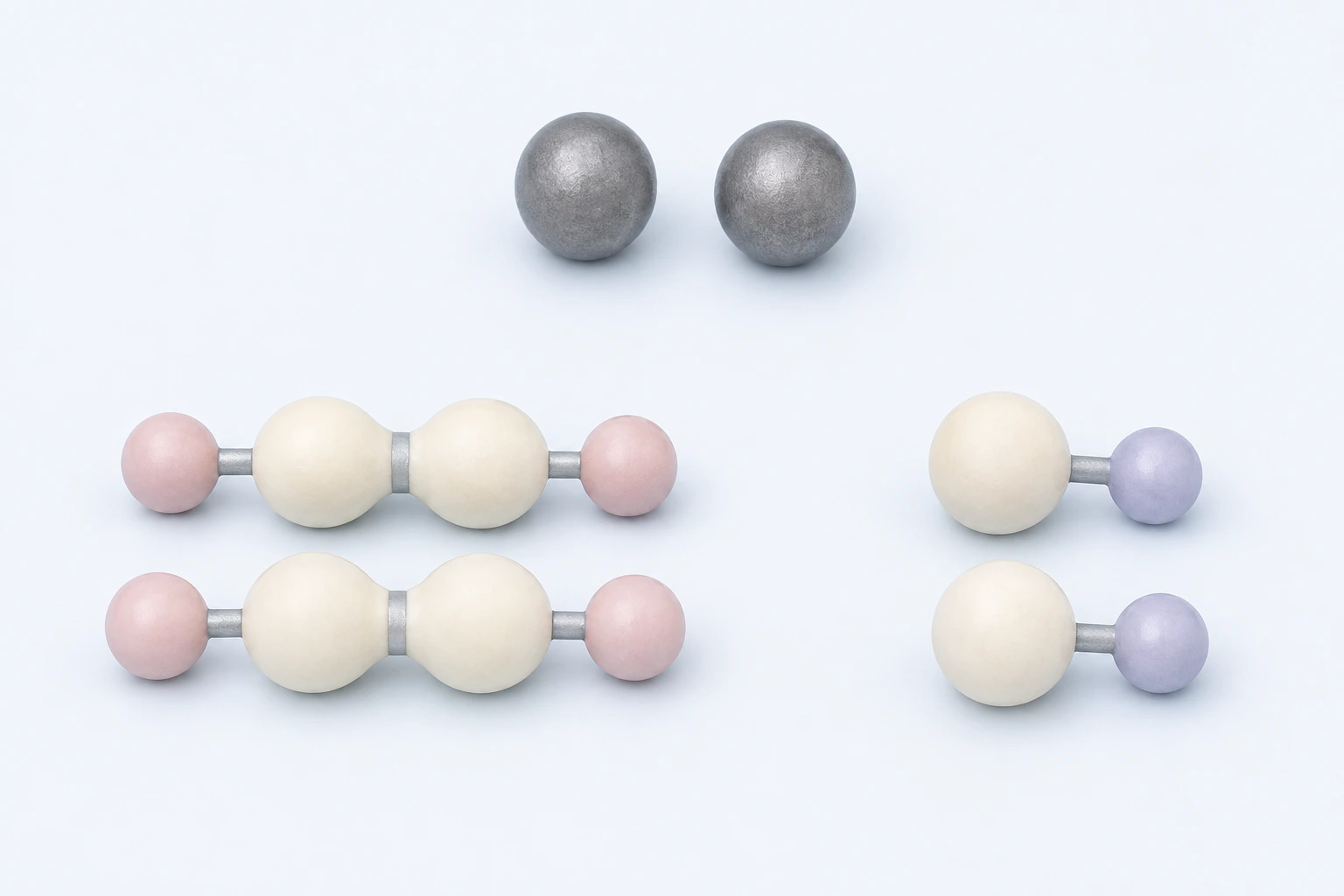
A compact generic enzyme form is separated from two peroxide-context tokens and a product group containing one oxygen pair and two water-like tokens.
Mechanisms6 sources

Catalase

Catalase is a heme-iron enzyme that decomposes hydrogen peroxide into water and oxygen. In microbial peroxide defense, it acts downstream of superoxide dismutase: superoxide dismutase converts superoxide to hydrogen peroxide, and catalase removes that hydrogen peroxide

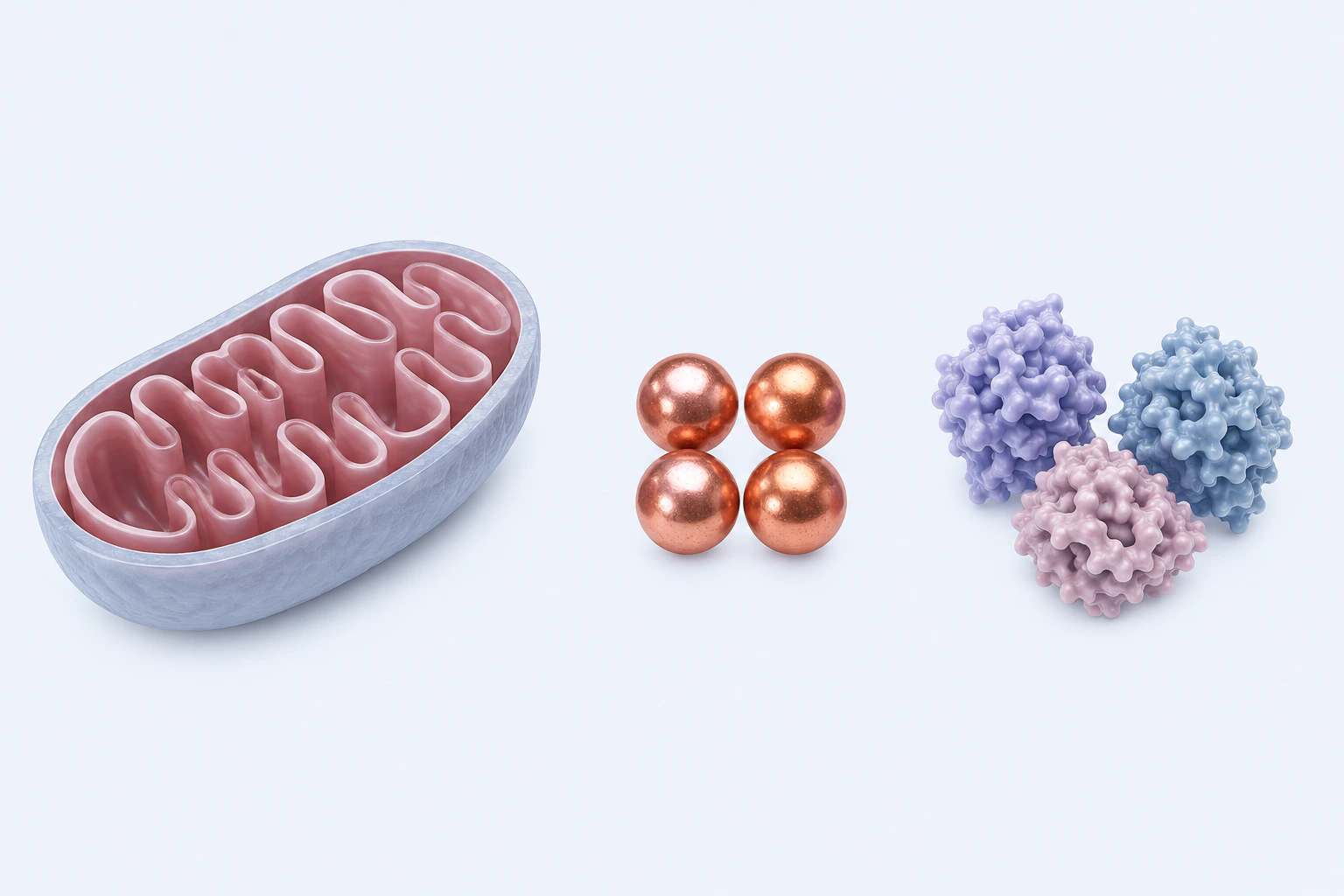
A generic mitochondrion-like cutaway appears separately from four copper-colored spheres and three folded protein-like forms.
Mechanisms4 sources

Cuproptosis

A distinct form of regulated cell death caused by excess intracellular copper binding to lipoylated proteins in the TCA cycle, first characterized by Tsvetkov et al. in Science (2022). Unlike ferroptosis (iron-dependent lipid peroxidation) or apoptosis (caspase-dependen

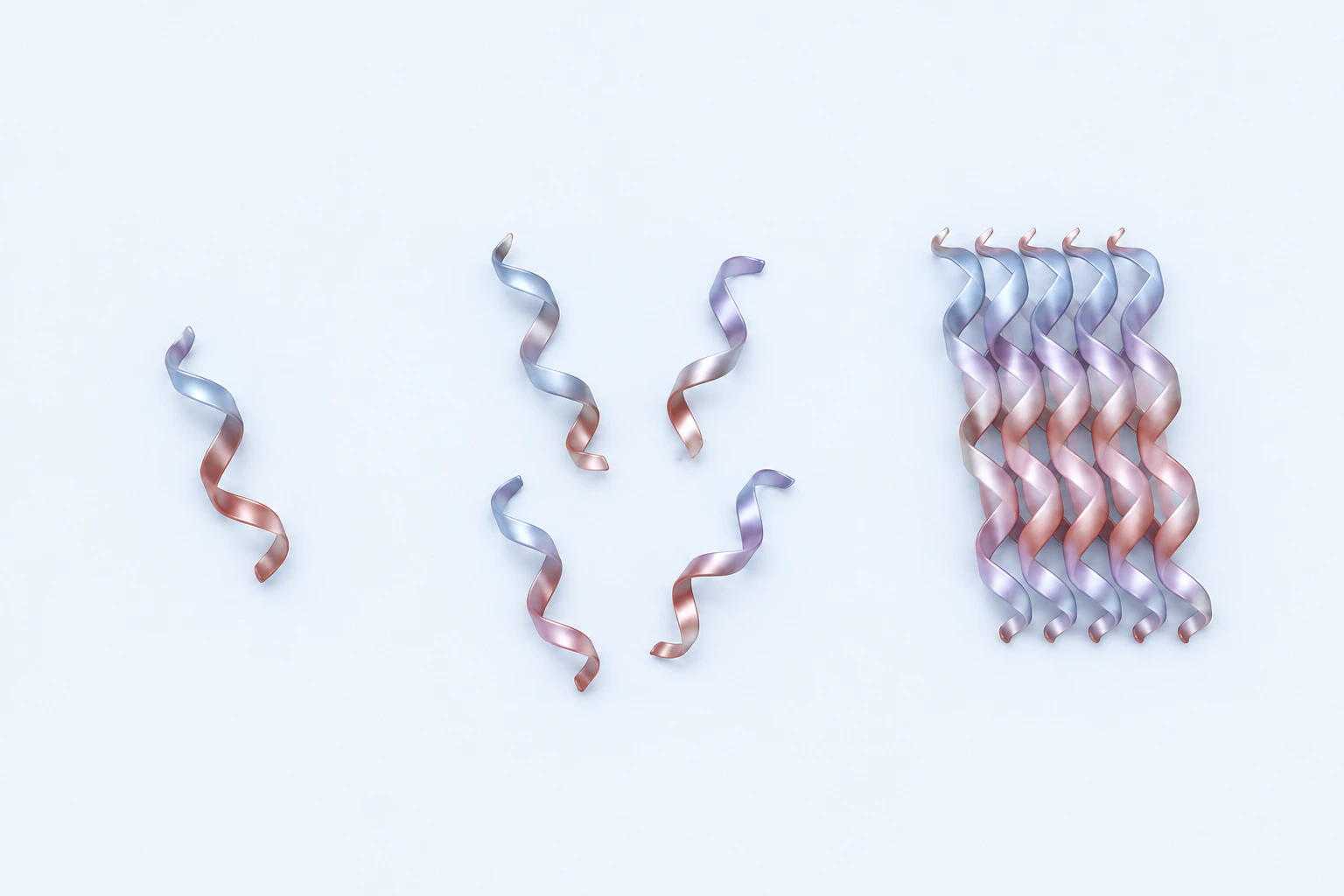
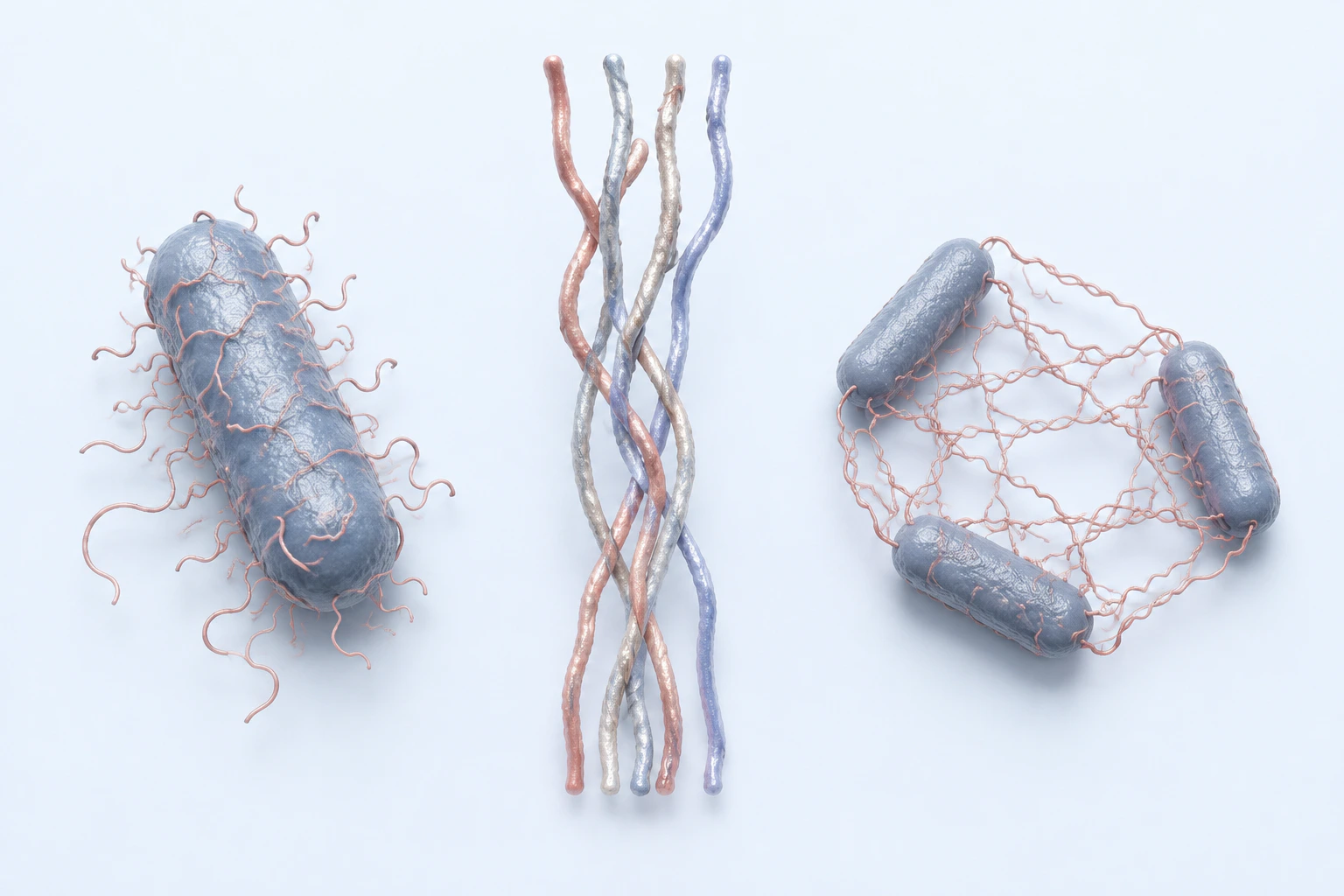
A generic fiber-coated rod, a separate five-fiber bundle, and three rods within a loose extracellular mesh form three complete groups.
Mechanisms3 sources

Curli Amyloid Fibers

Curli are functional amyloid fibers produced by escherichia coli, salmonella, and other Enterobacteriaceae as the primary protein component of their extracellular biofilm matrix. The curli subunit CsgA polymerizes into cross-beta-sheet amyloid fibrils that are structura

Mechanisms5 sources

Dietary Lead Exposure

lead (Pb) has no safe level of exposure. Unlike most dietary metals, lead does not play any known biological role — every atom absorbed represents toxic burden. While environmental lead exposure (paint, soil, air) has decreased dramatically since leaded gasoline phase-o

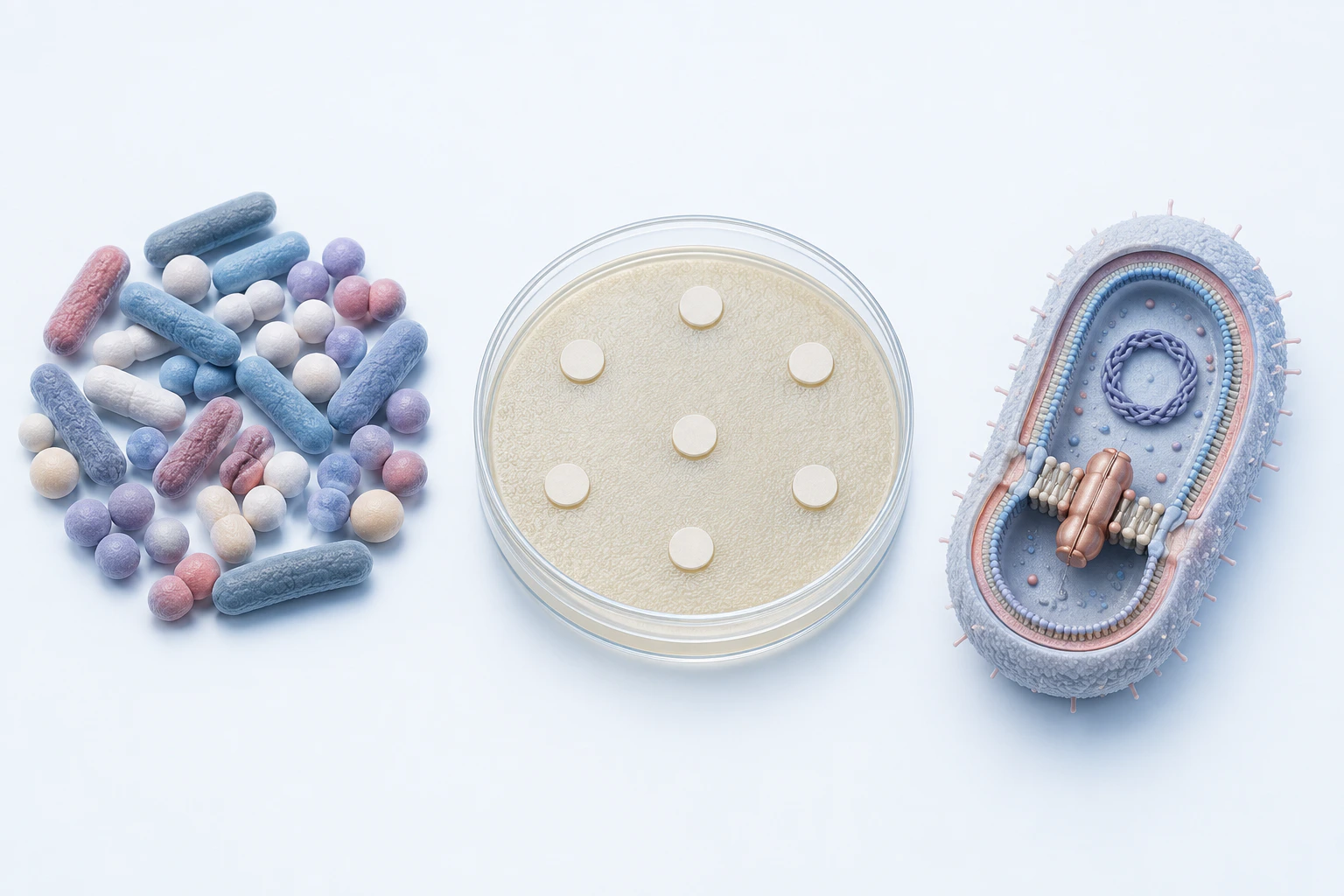
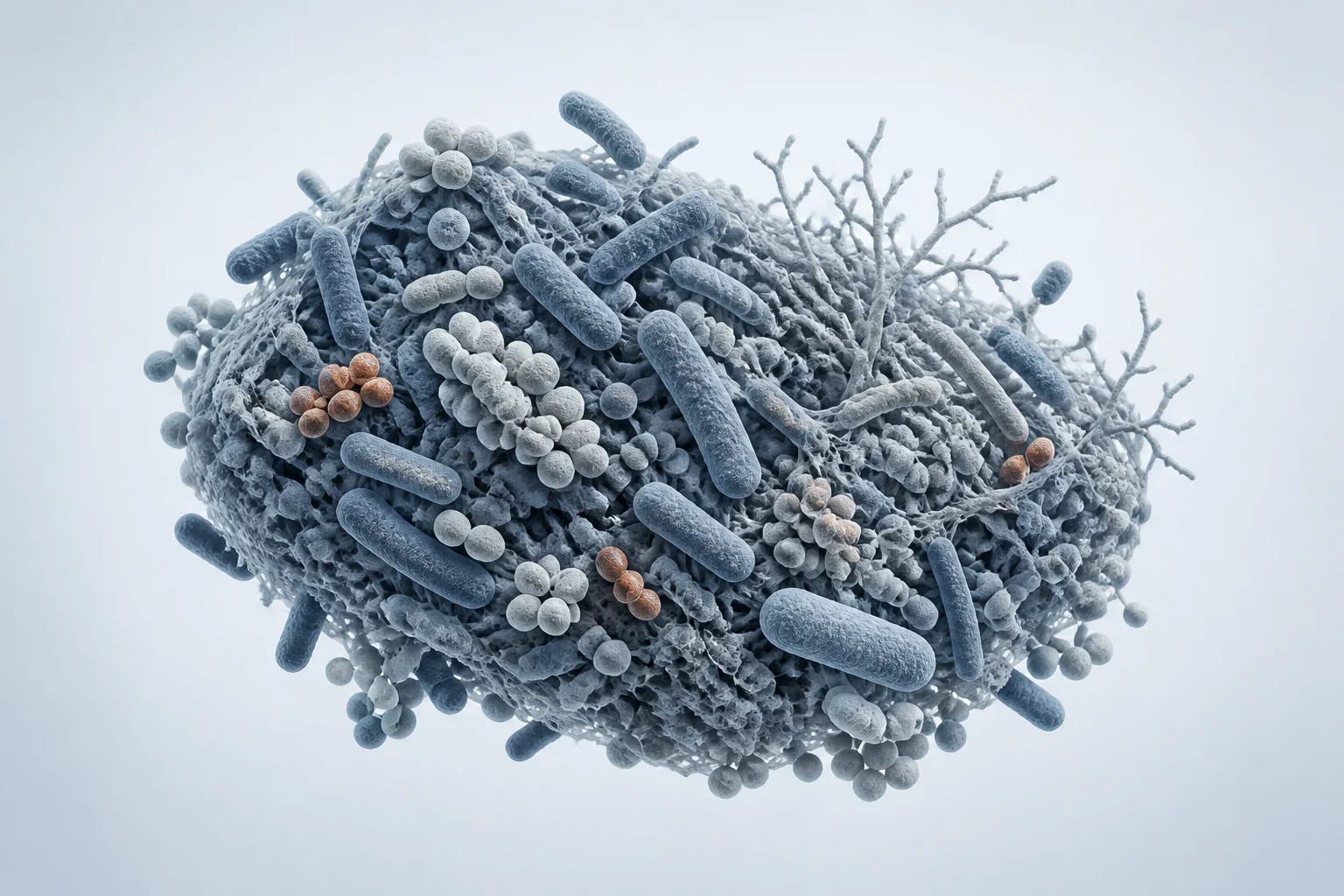
A microscopy-informed mixed microbial community with rods, cocci, curved rods, and branching forms on a pale cool field.
Mechanisms14 sources

Dysbiosis

Disruption of the normal composition and metabolic function of microbial communities, particularly the gut microbiome. In the metallomics context, dysbiosis is both a consequence of metal toxicity and an amplifier of further disease -- creating vicious cycles where meta

Mechanisms5 sources

Gene Regulation

Gene regulation in bacteria is the process by which cells control when and how much of each gene product is made. In the metallomics context, gene regulation is the mechanism by which bacteria respond to the metal environment -- sensing metal availability and adjusting

Mechanisms3 sources

Histidine

Histidine is a semi-essential amino acid with a unique property that makes it central to metal biology: its imidazole side chain is one of the strongest biological metal-binding groups, coordinating zinc, nickel, copper, iron, and other transition metals in enzymes and

Mechanisms9 sources

Immune Balance

The immune system is not a monolith but a dynamic equilibrium between pro-inflammatory effector responses (Th1, Th2, Th17) and anti-inflammatory regulatory responses (Treg, IL-10, TGF-beta). Metals and the microbiome are two of the most potent environmental modulators o

Mechanisms6 sources

Lipid Peroxidation

Lipid peroxidation is the oxidative degradation of polyunsaturated fatty acids (PUFAs) in cell membranes by reactive oxygen species (ROS). The process generates toxic aldehydes — malondialdehyde (MDA) and 4-hydroxynonenal (4-HNE) — that damage proteins, DNA, and mitocho

Mechanisms8 sources

Metal Sensing

Metal sensing is the set of regulatory mechanisms bacteria use to detect intracellular metal concentrations and adjust gene expression accordingly. Because metal ions cannot be synthesized or degraded -- only imported, exported, sequestered, or trafficked -- sensing and

Mechanisms5 sources

The Exposome

The exposome is the totality of environmental exposures an individual experiences from conception to death. Coined by Christopher Wild in 2005, it complements the genome by capturing the environmental side of the gene-environment equation. Metals are among the most quan

Mechanisms3 sources

Thyroid Autoimmunity

Autoimmune thyroid diseases (AITDs) -- hashimotos thyroiditis and graves disease -- are the most common organ-specific autoimmune conditions, affecting 5-10% of the global population. The thyroid gland sits at a remarkable intersection of metal biology and immune regula

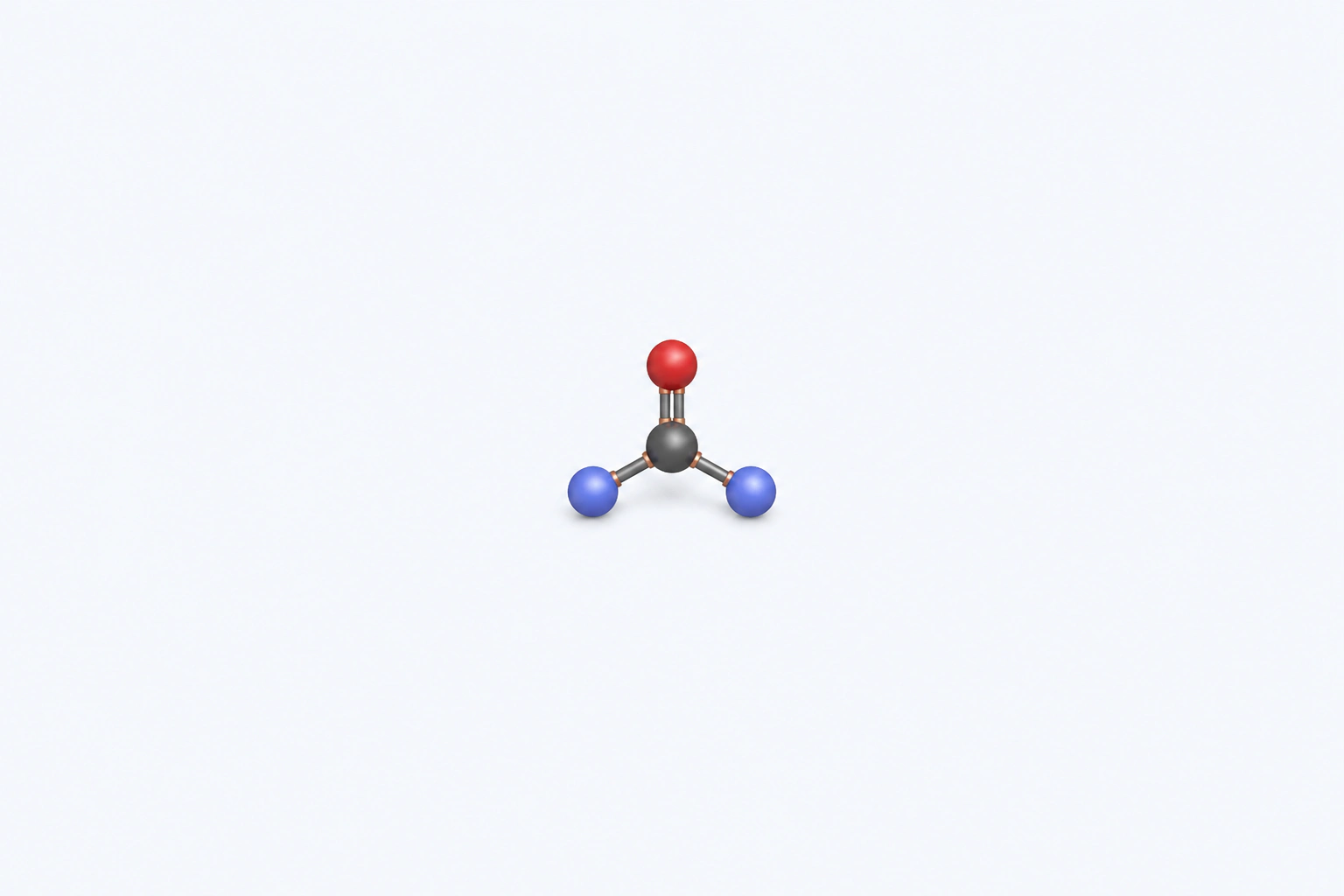
A compact urea connectivity model shows one carbonyl carbon, one oxygen, and two nitrogen centers, with hydrogens omitted.
Mechanisms6 sources

Urea

Urea is the substrate of urease. In the microbial systems covered by WikiBiome, urease hydrolyzes urea to ammonia and bicarbonate; those products can supply microbial nitrogen and help neutralize acidic environments maier 2019 nickel microbial pathogenesis. At a glance,