WikiBiomeThe human microbiome encyclopedia
WikiBiome/Search: “commensal”
Encyclopedia search

Search: “commensal”

Ranked matches across titles, topics, categories, and article introductions, filtered to microbe.

80 records in this view
A
B
C
D
E
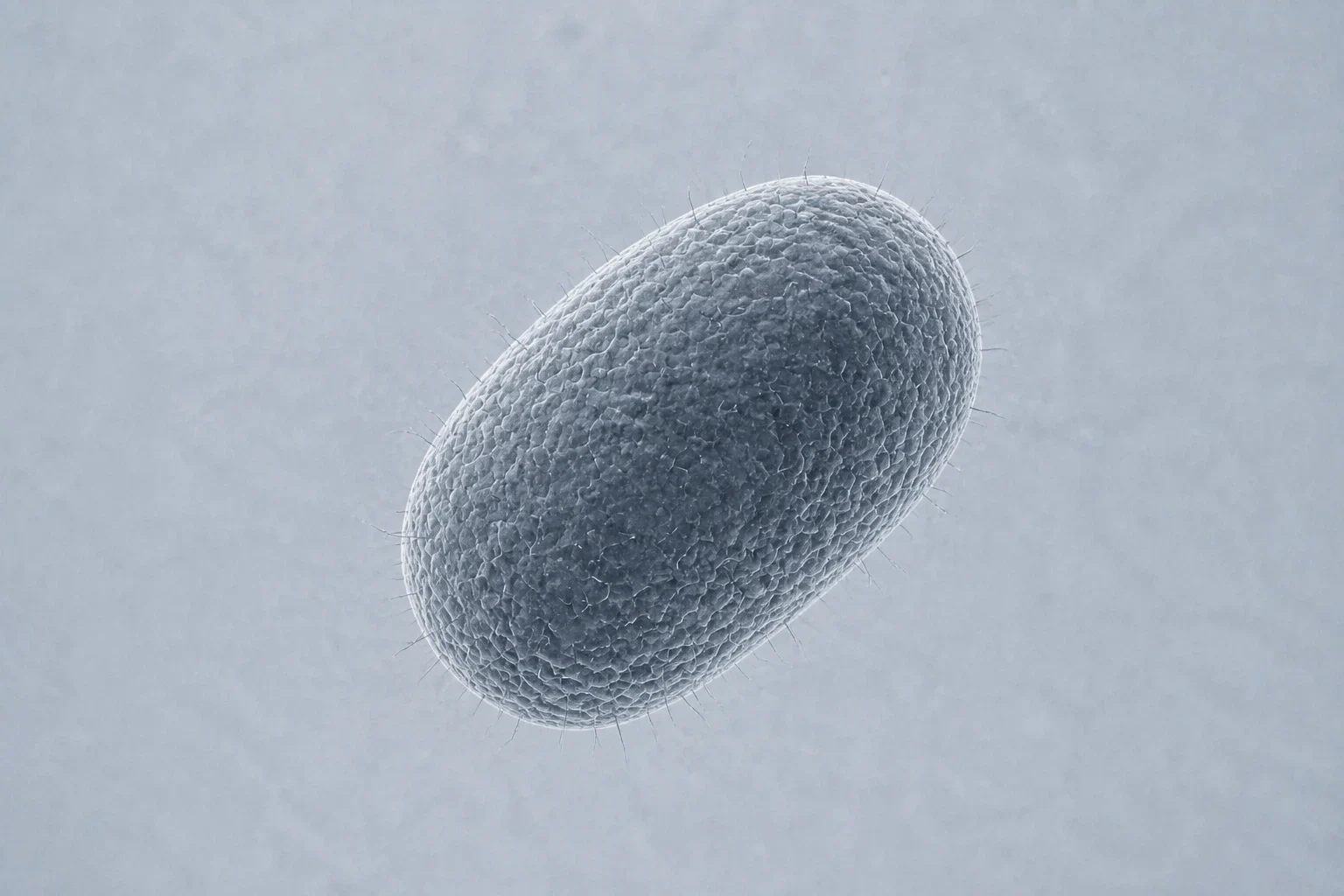
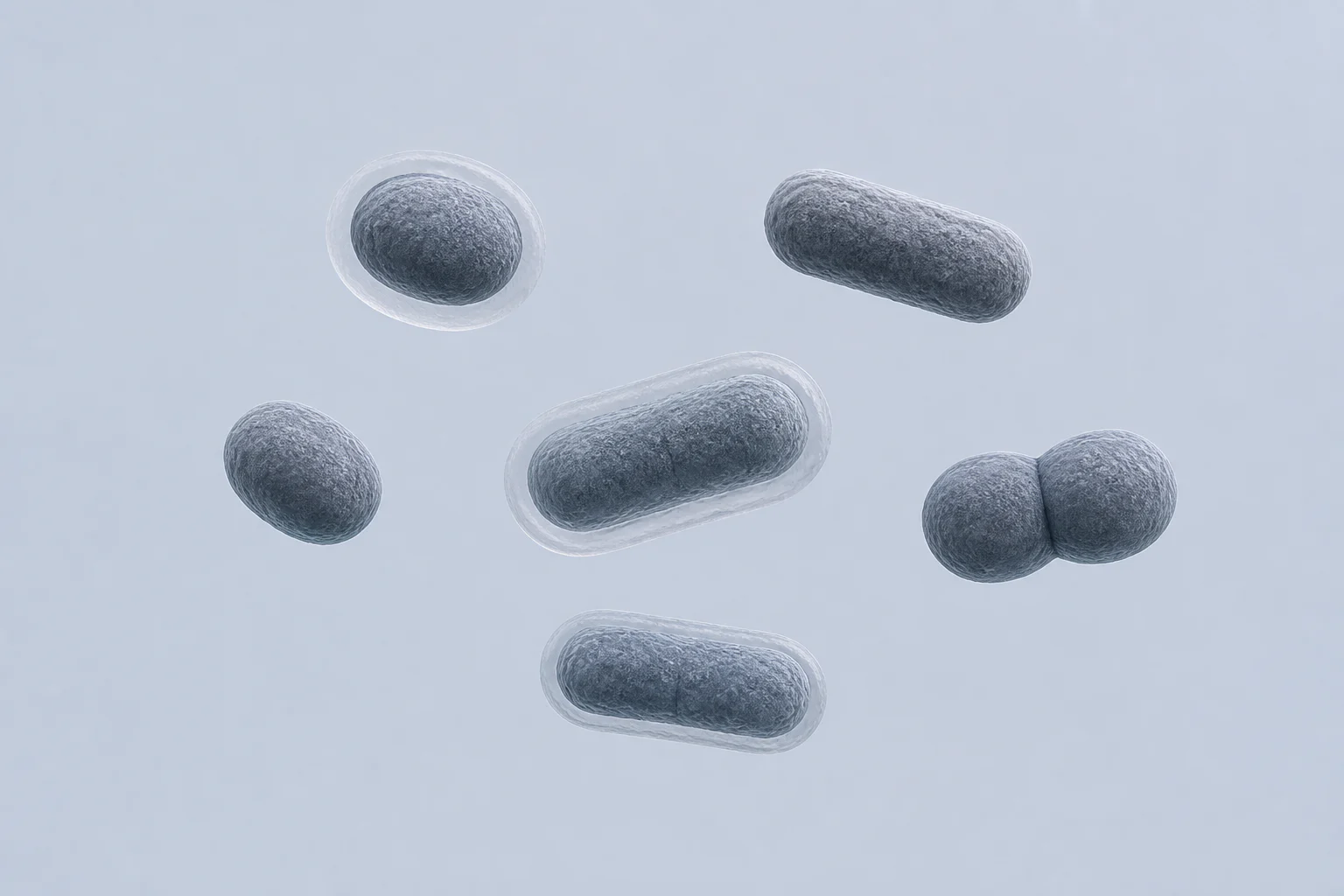
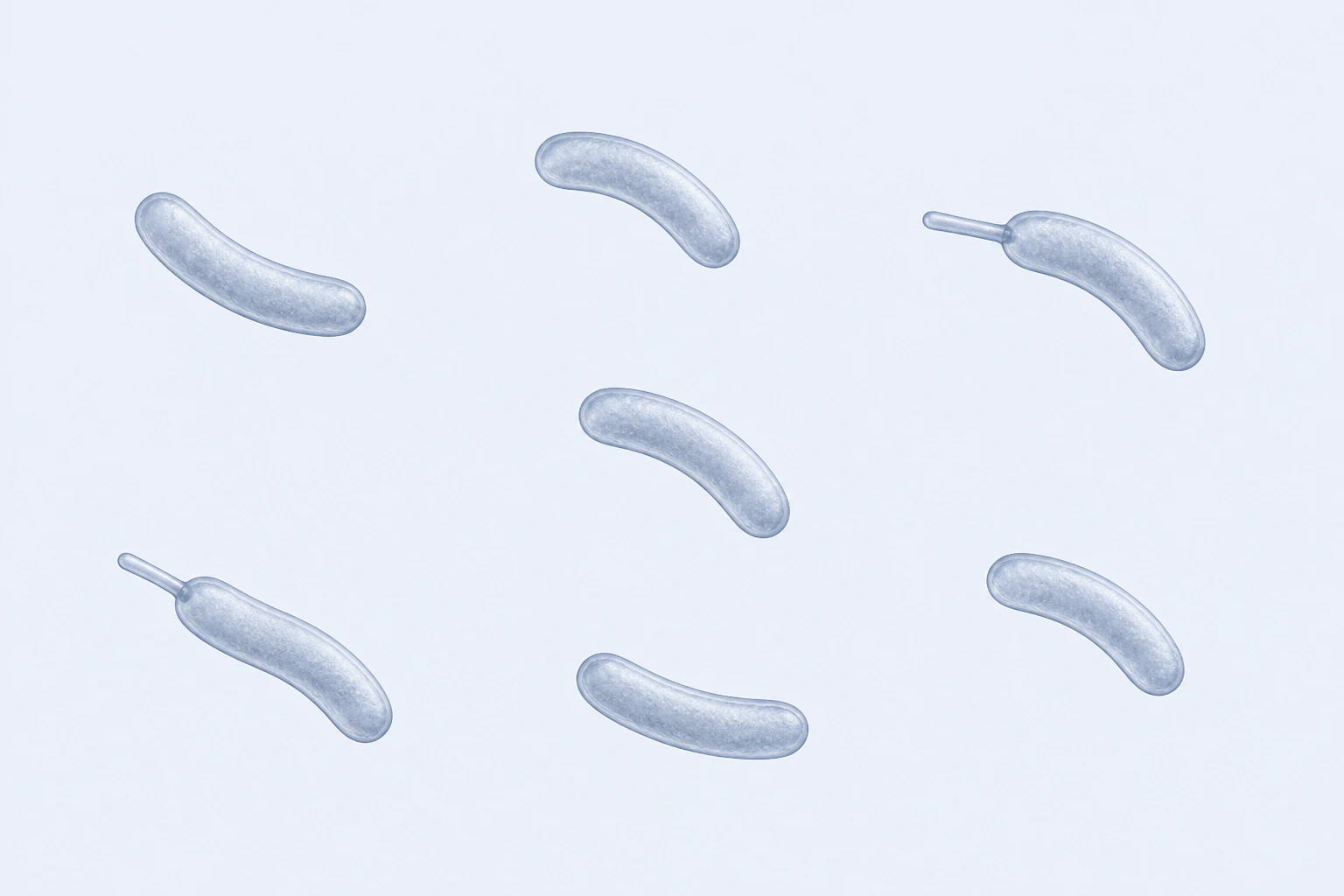
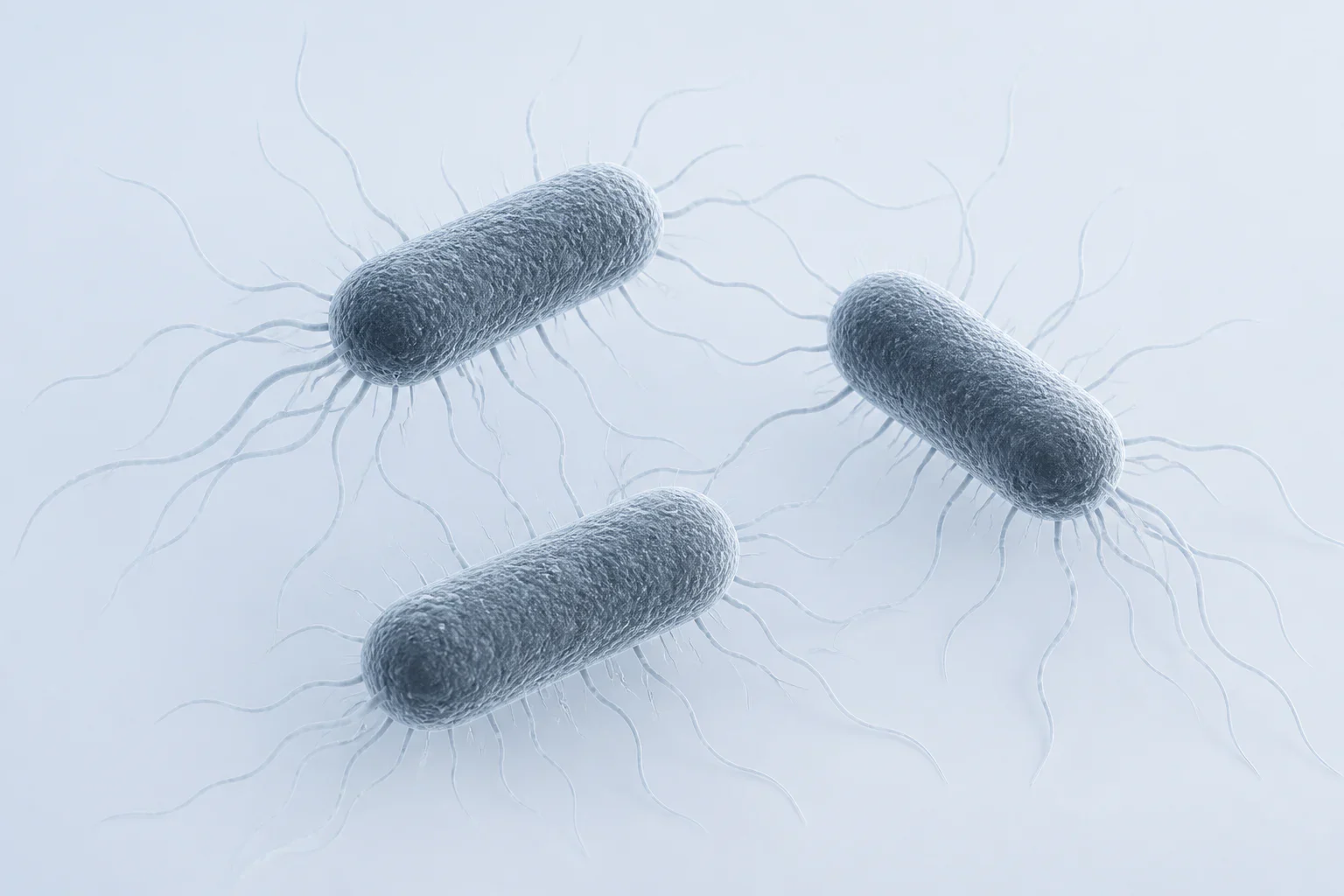
Microscopy-informed reconstruction of three rod-shaped Escherichia coli cells with peritrichous flagella and fine pili on a pale cool field.
Microorganisms6 sources

Escherichia coli

A Gram-negative bacterium that spans the commensal-pathogen spectrum, with pathogenic variants (UPEC, STEC, EHEC) deploying nickel-dependent enzymes as virulence factors. E. coli is the model organism for nickel transport biology -- the NikABCDE system was first charact

F
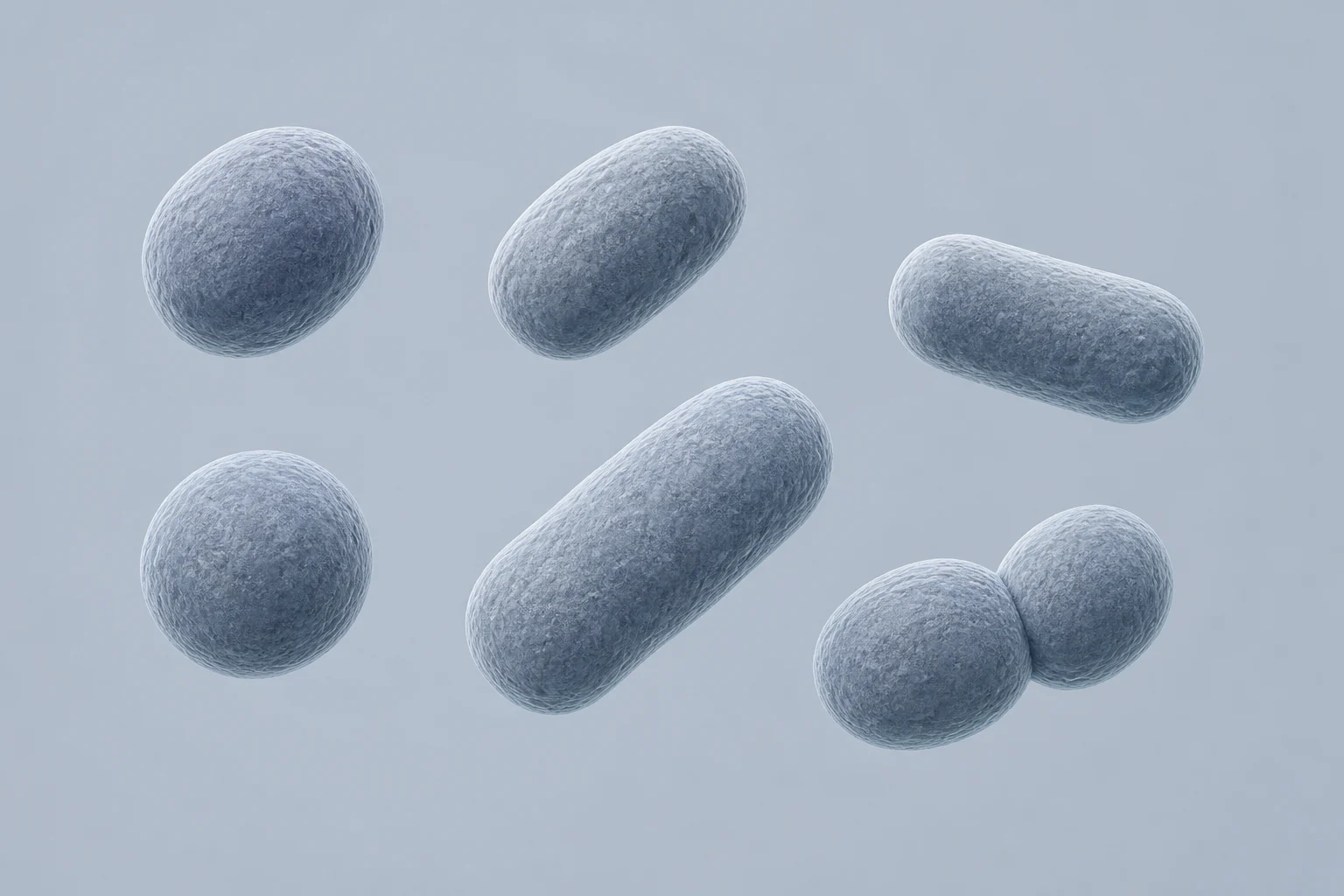
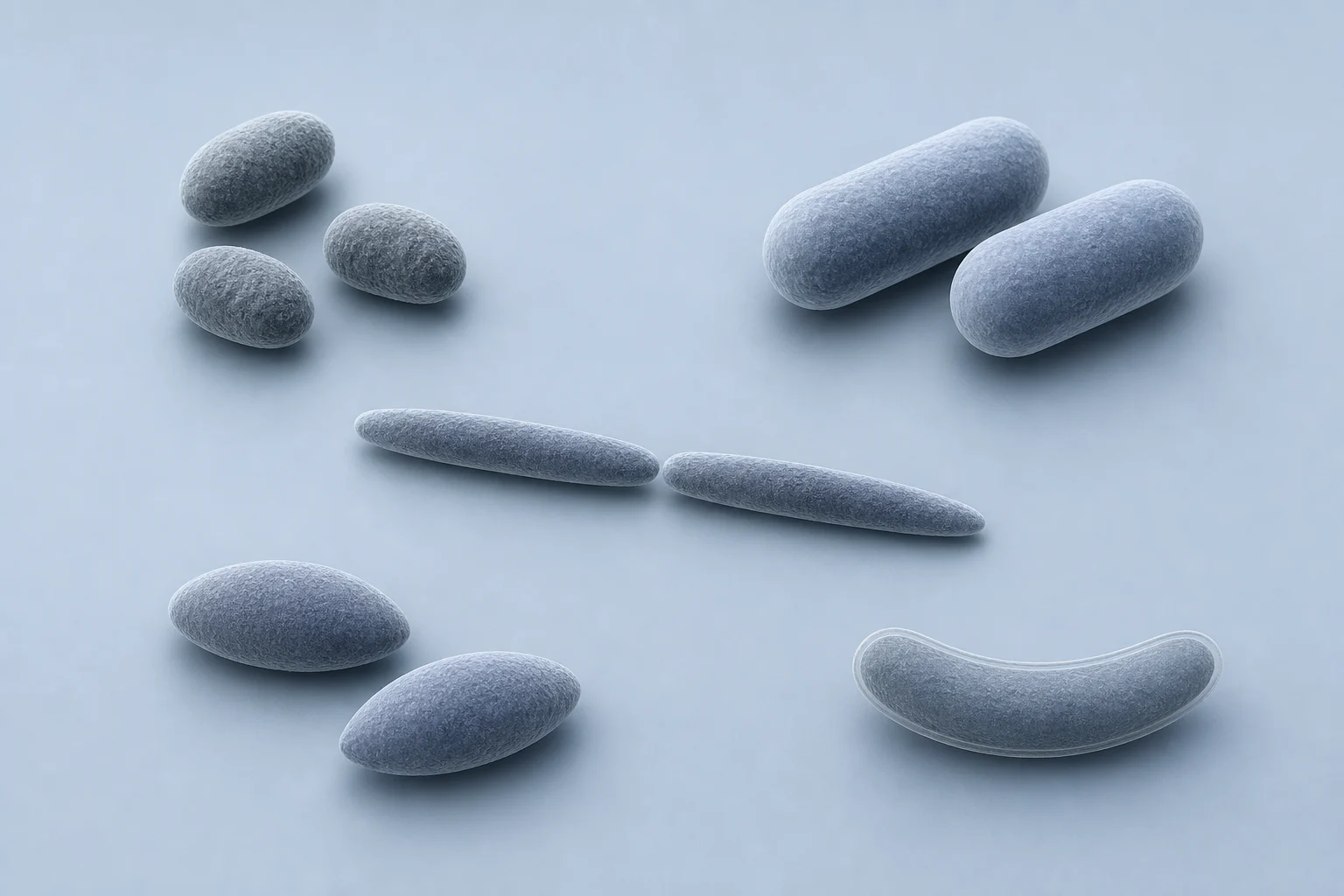
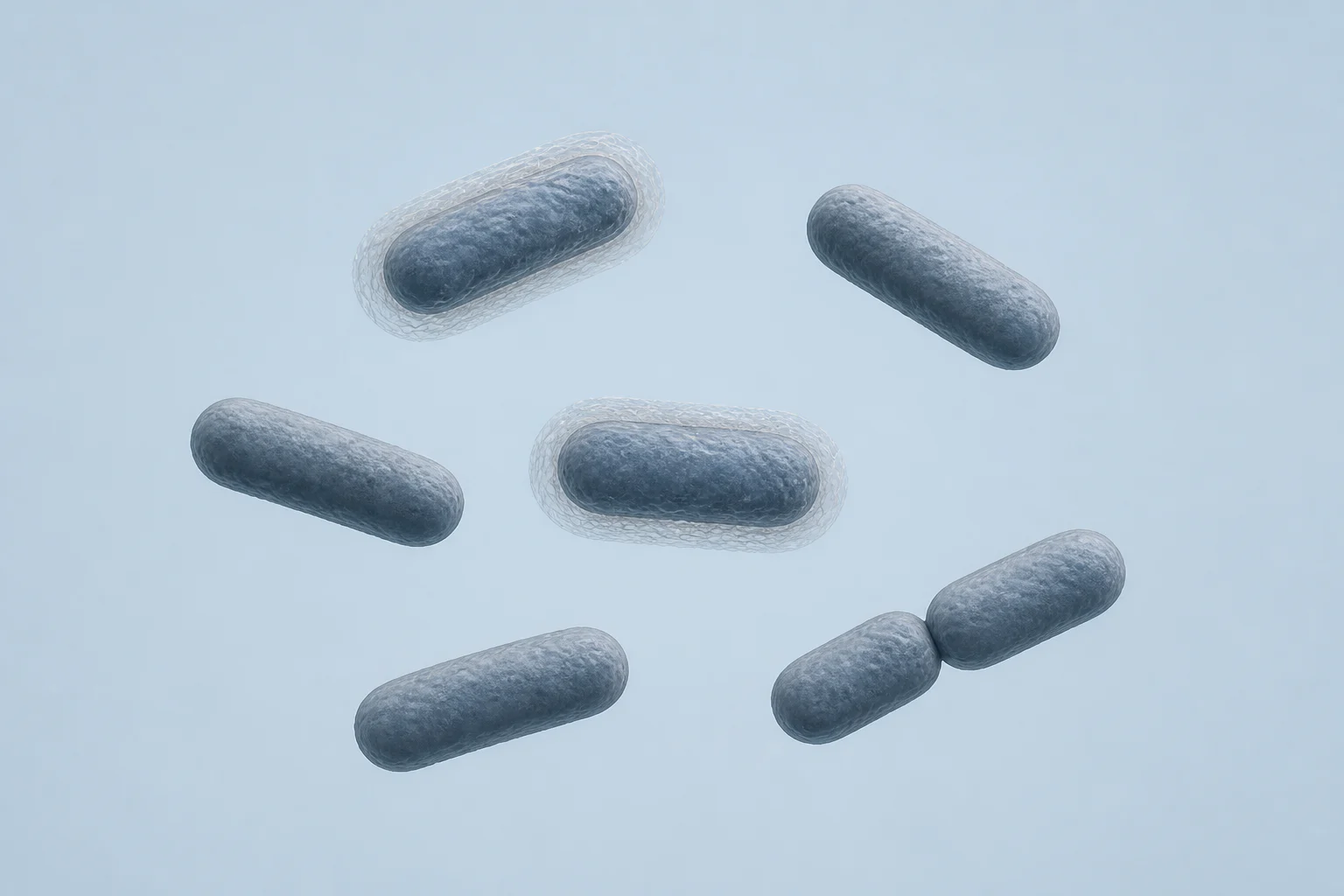
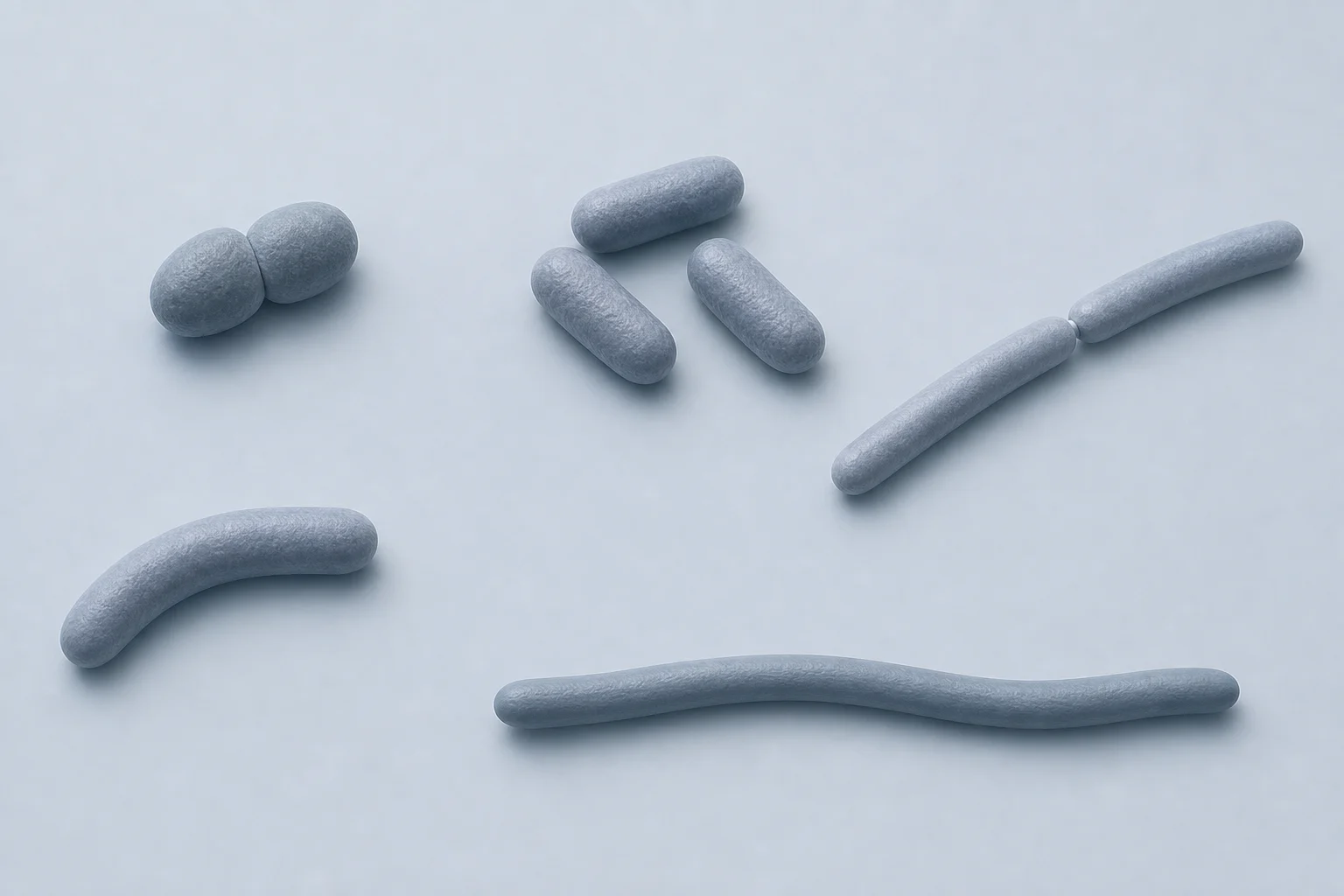
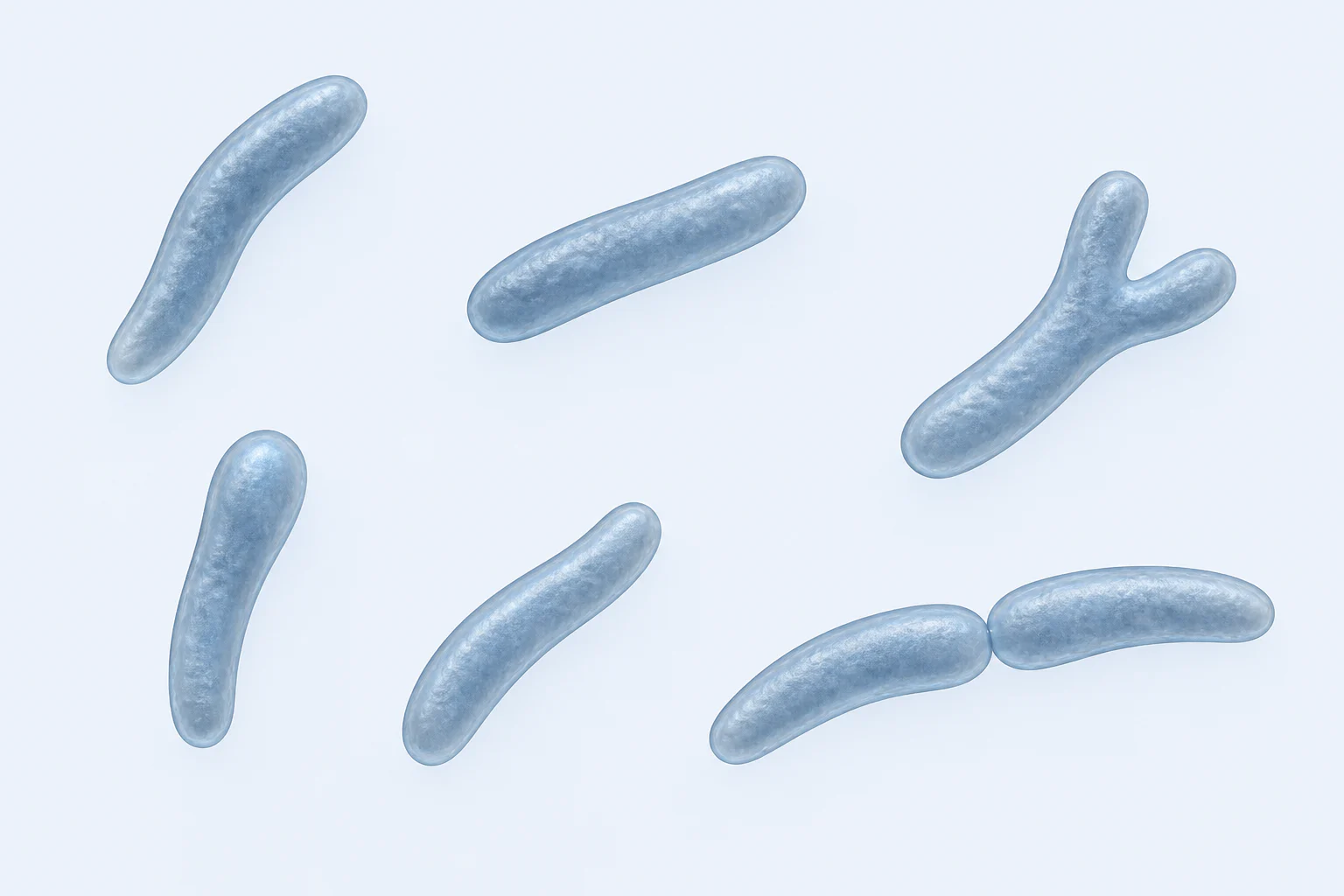
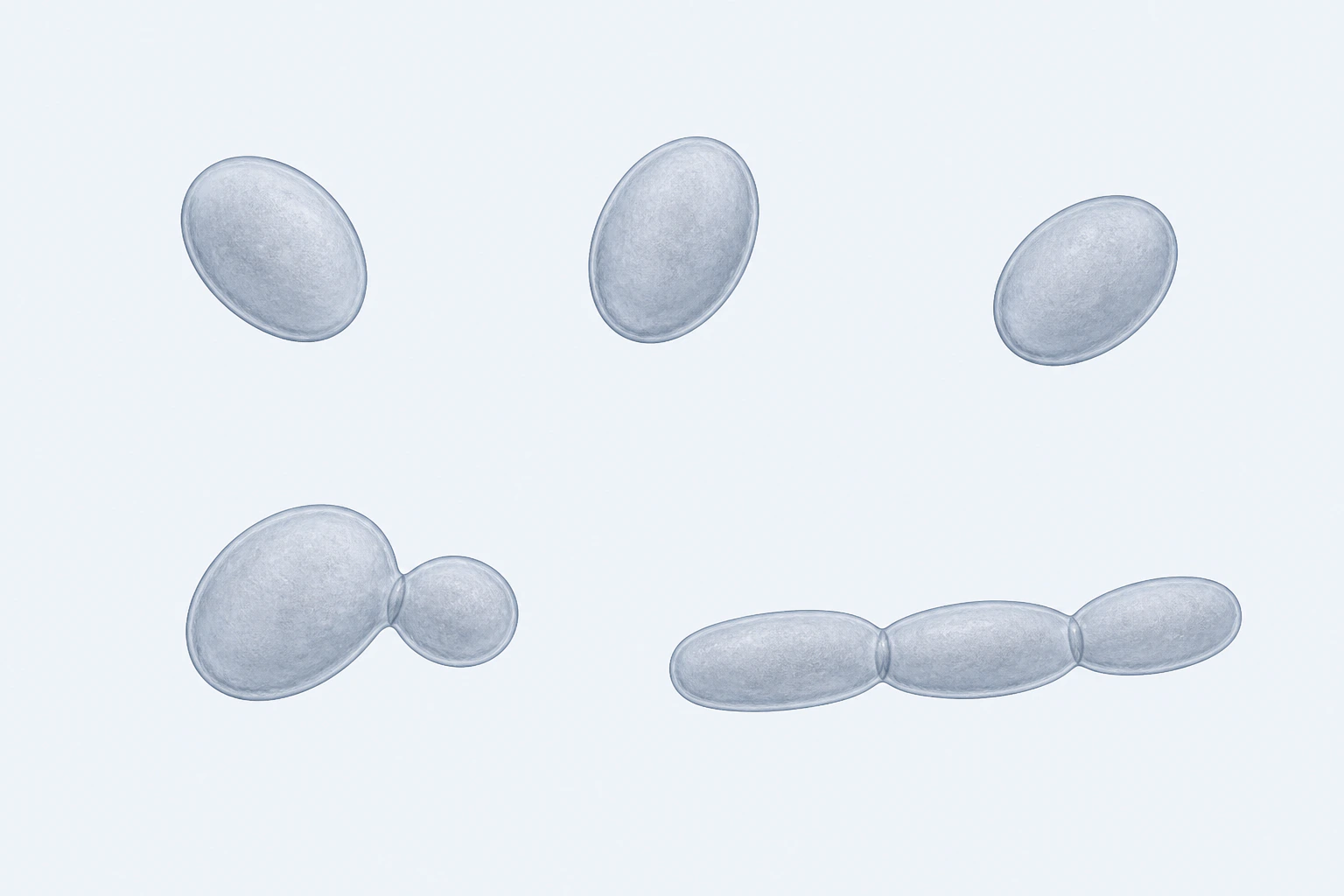
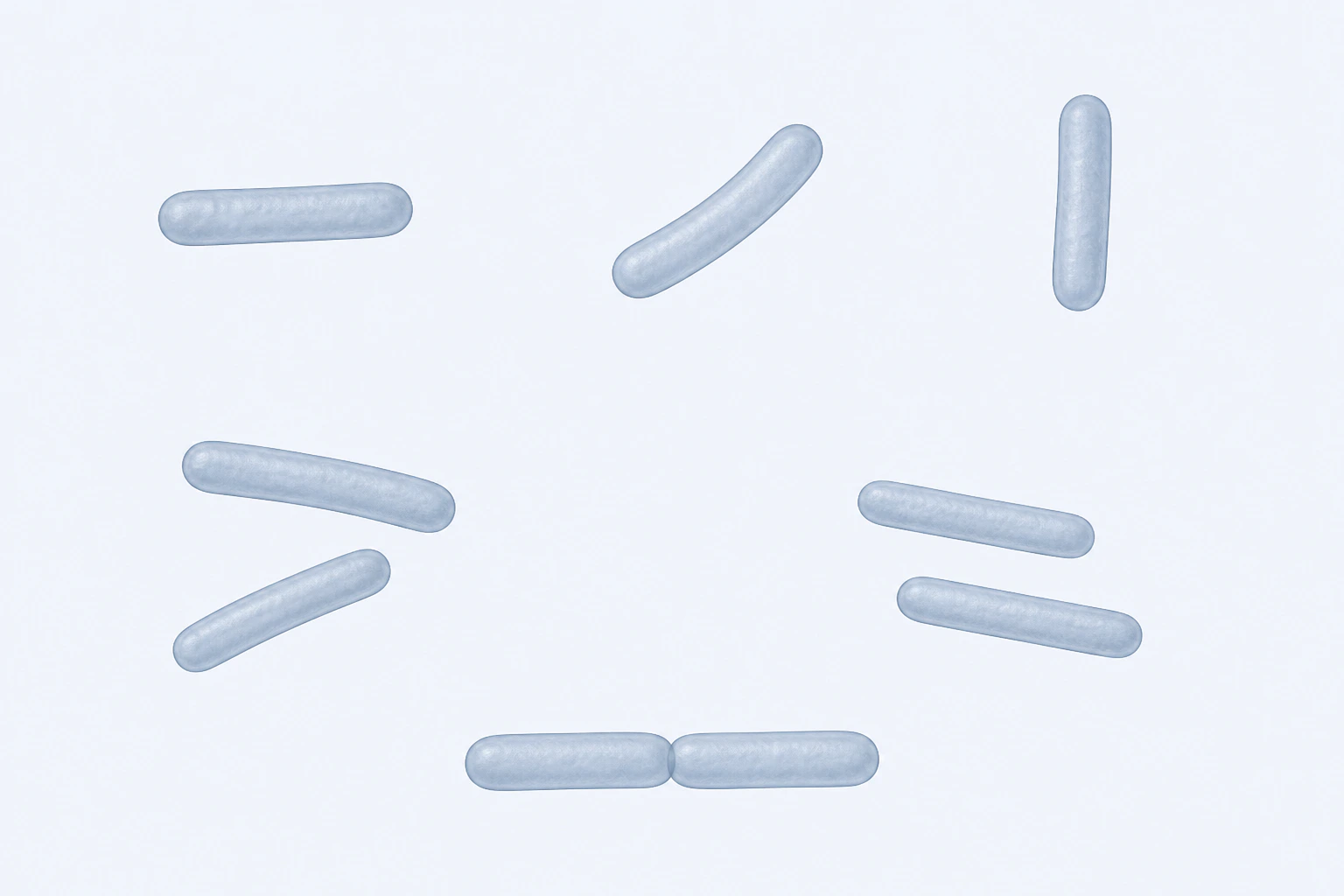
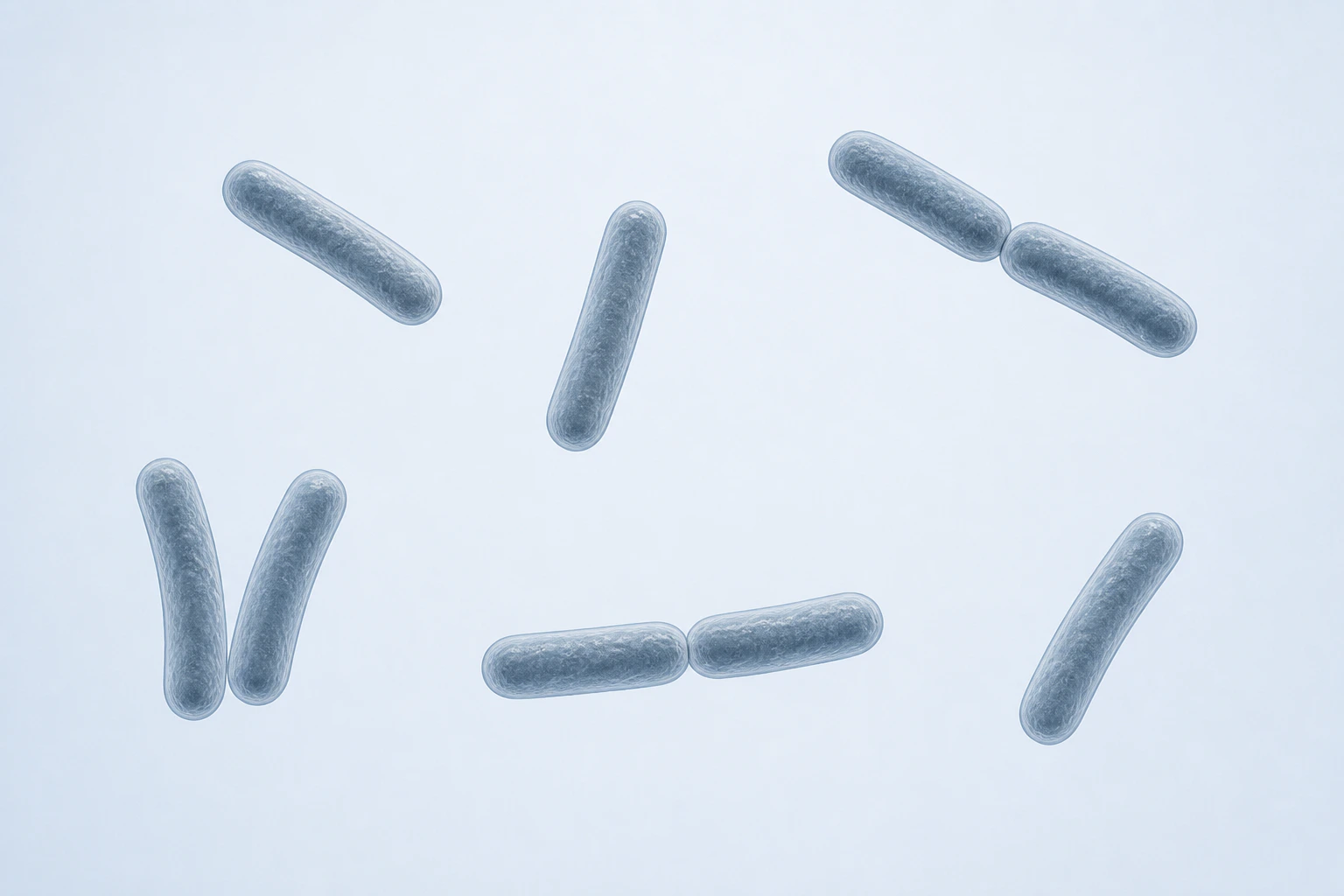
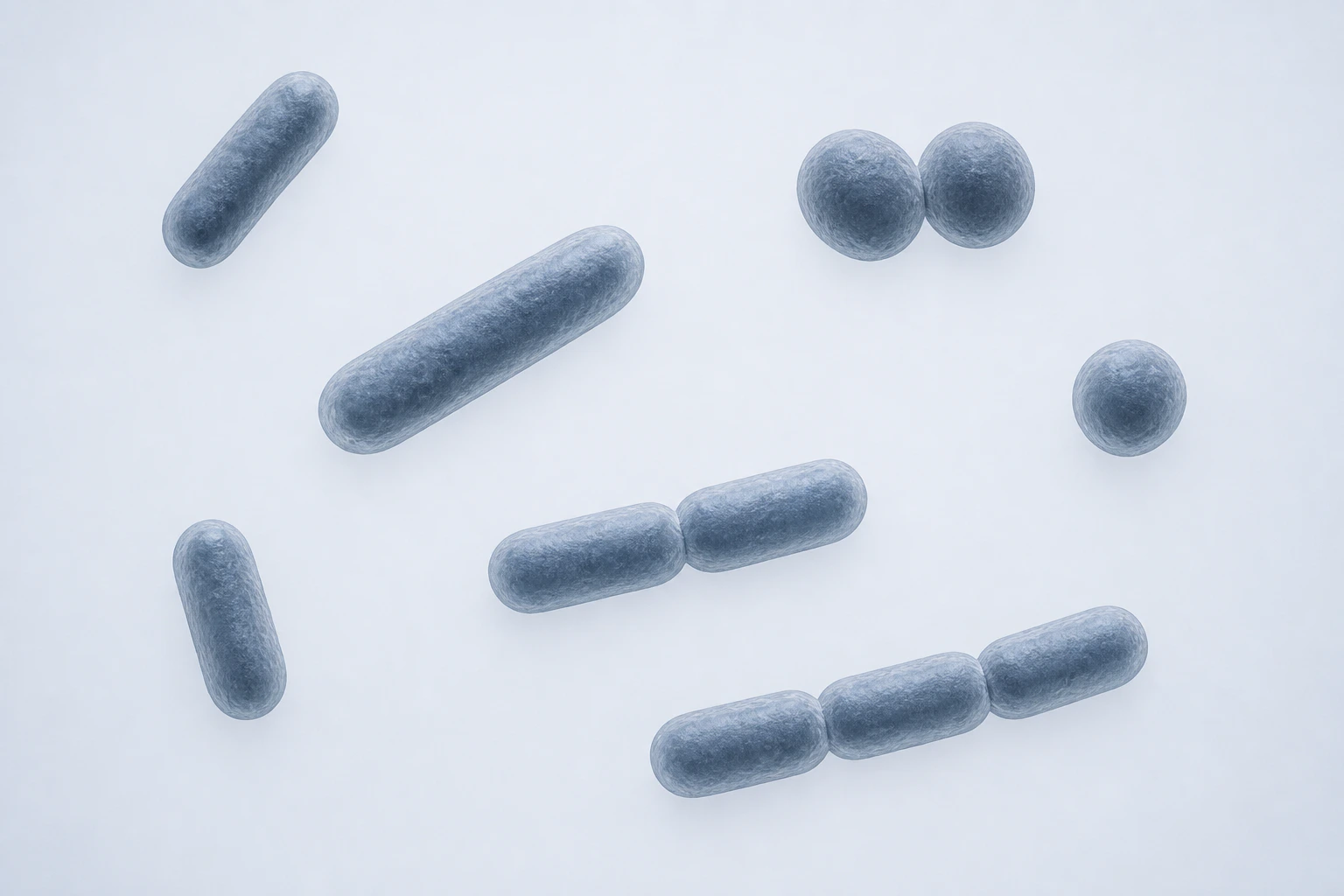
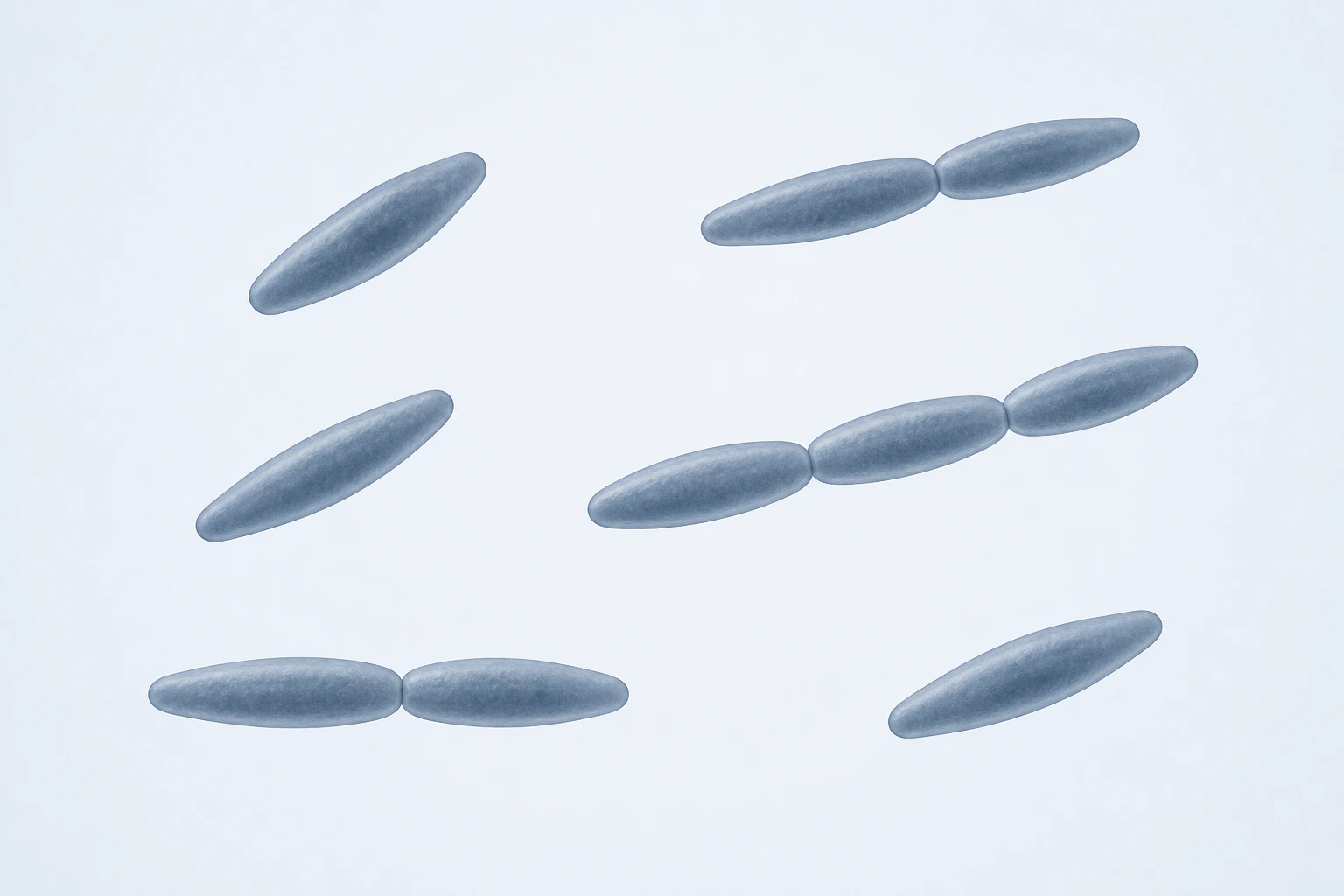
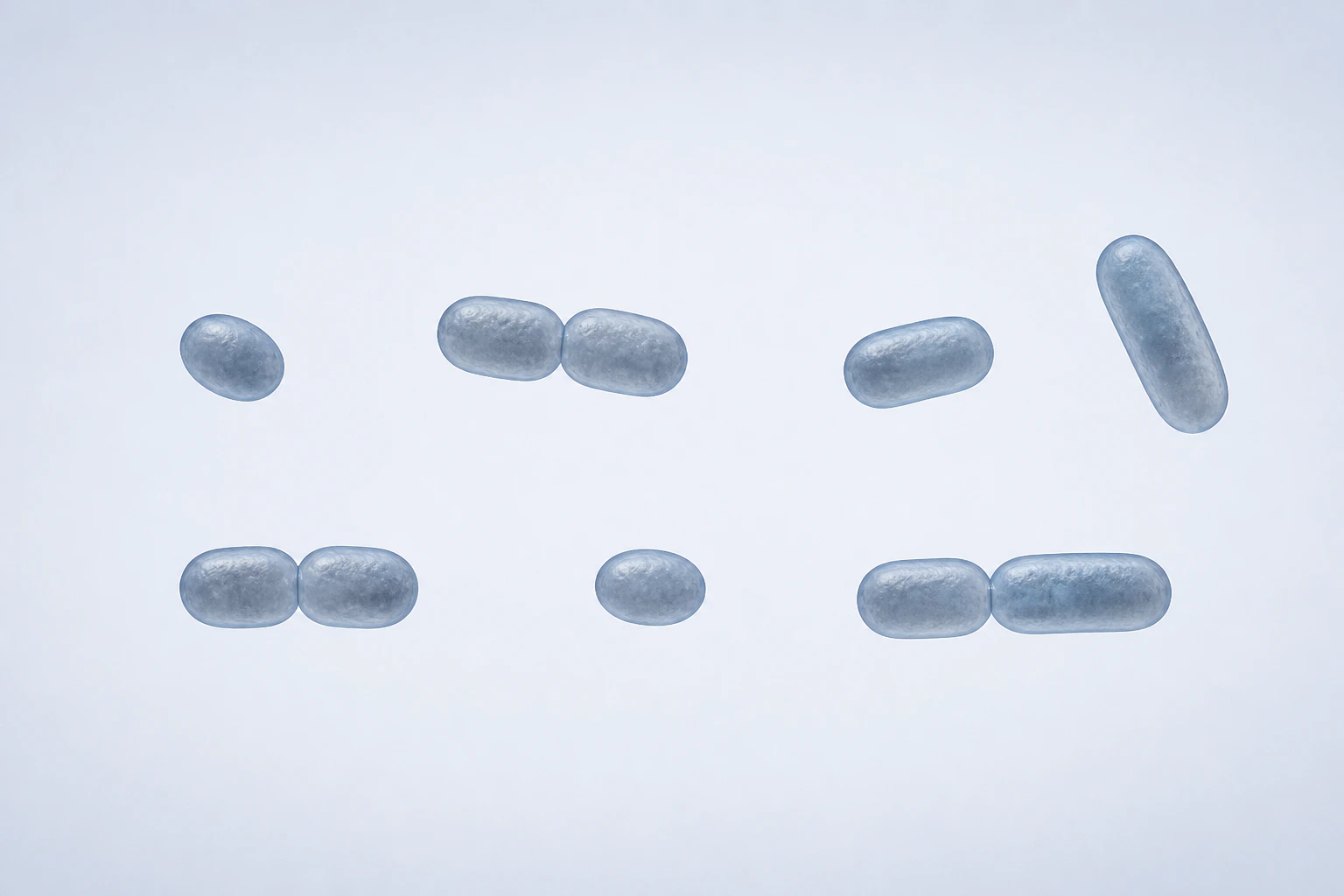
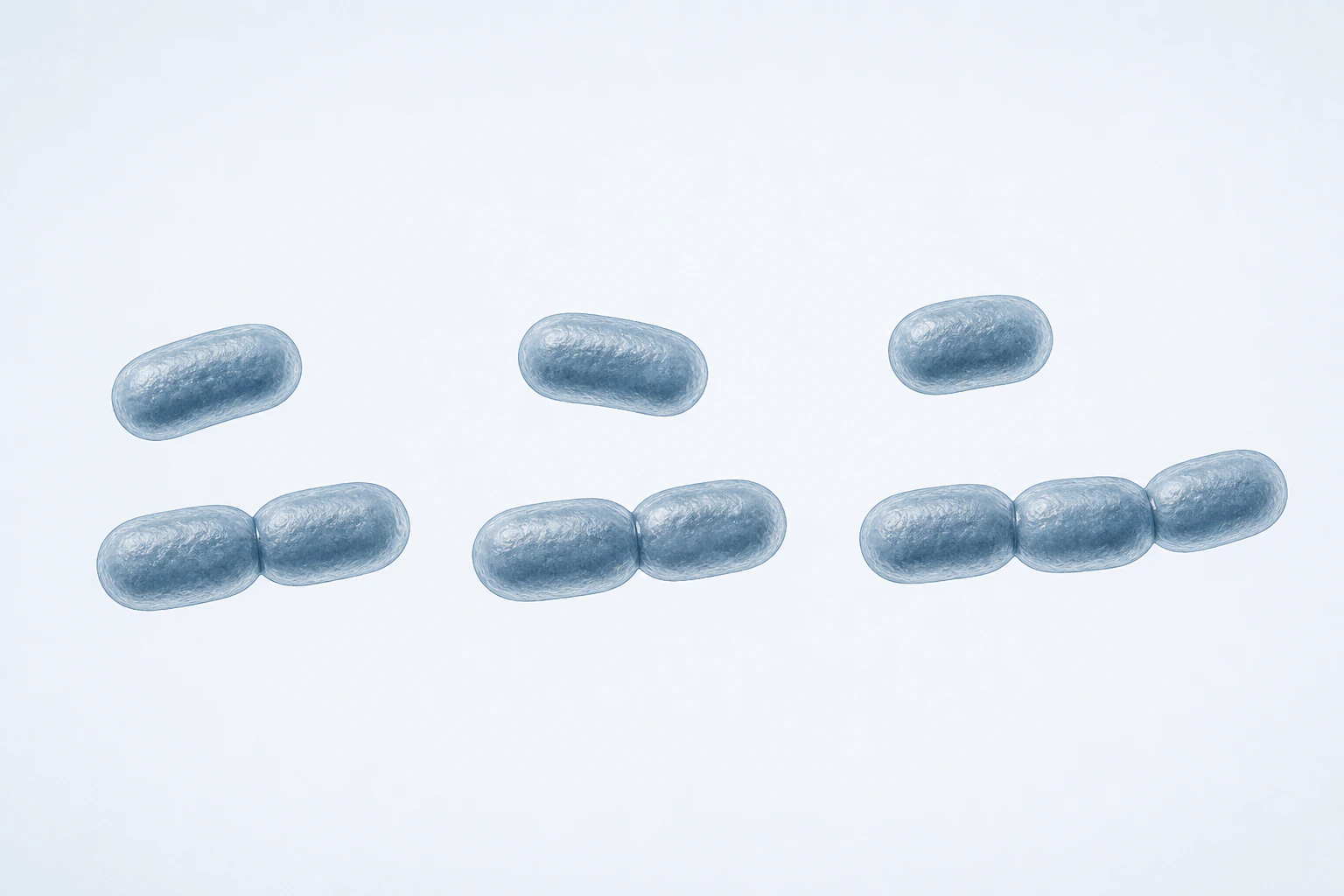
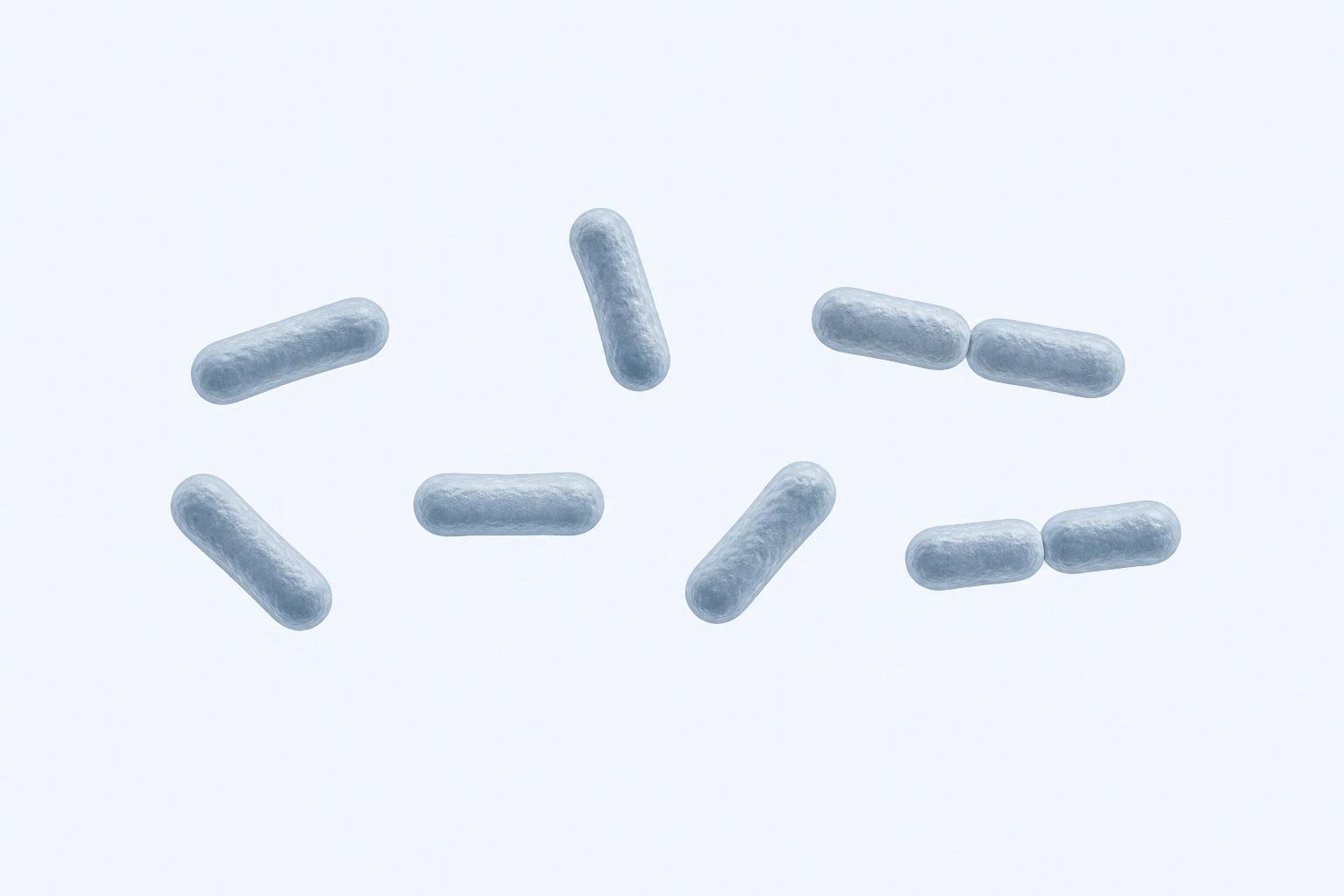
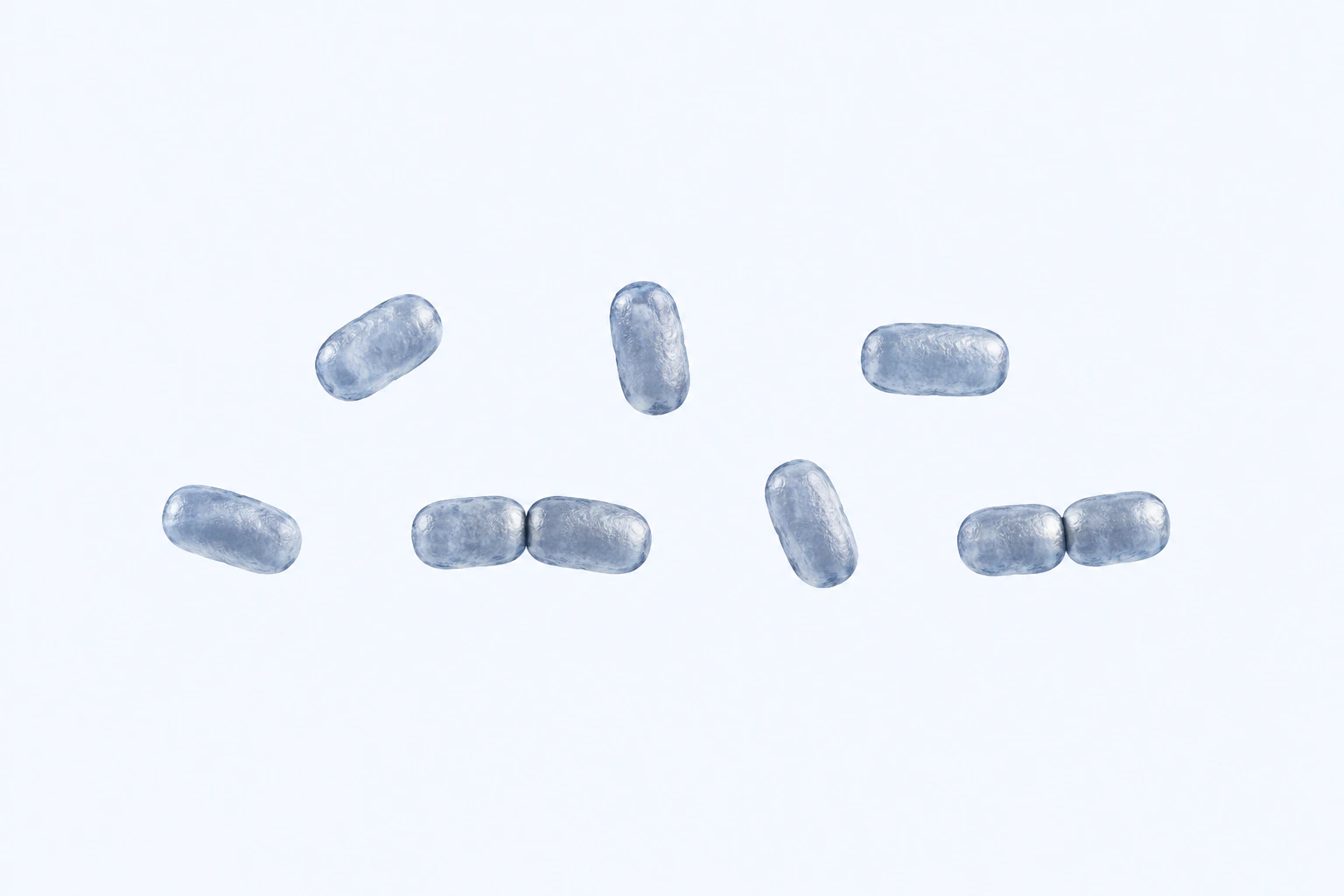
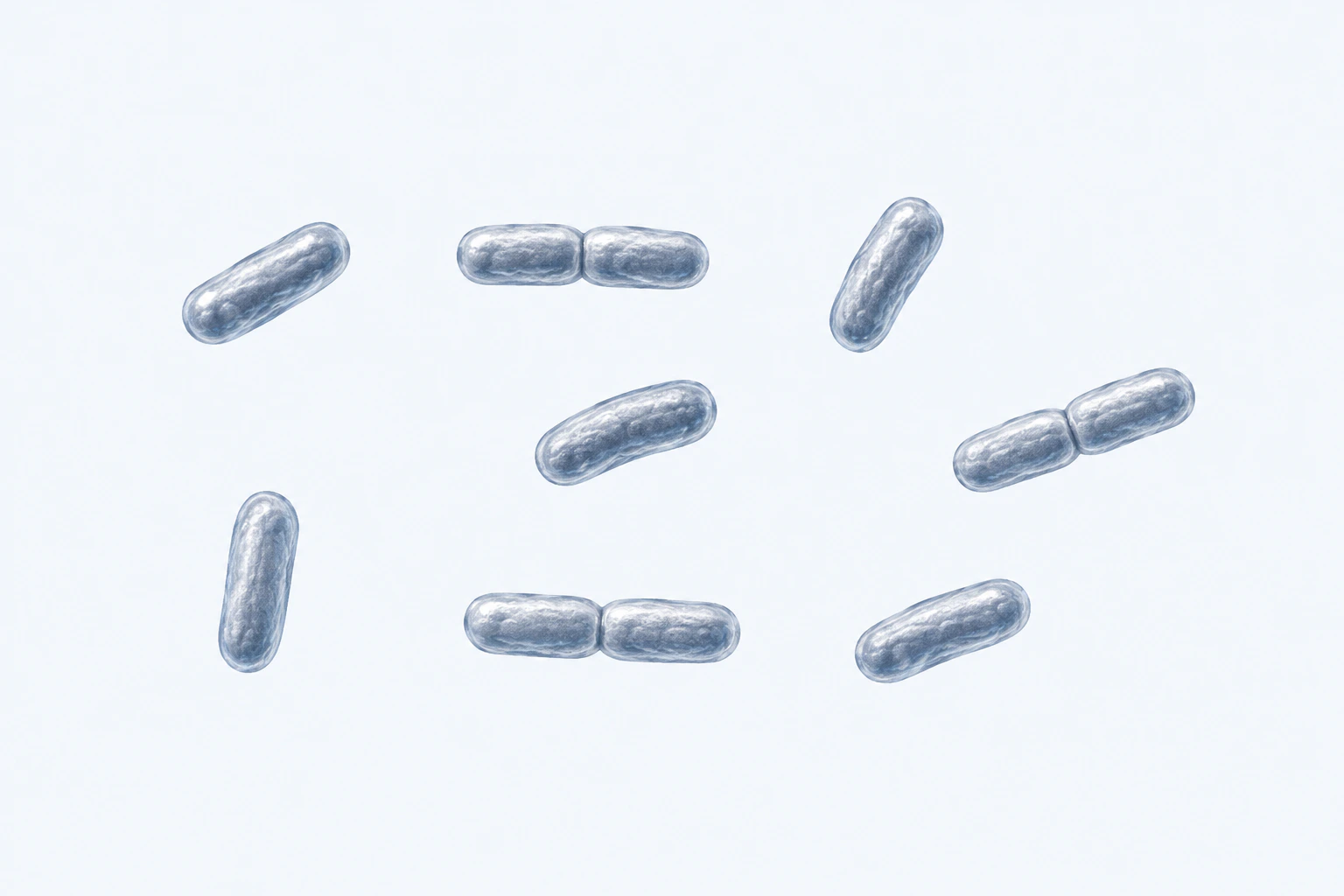
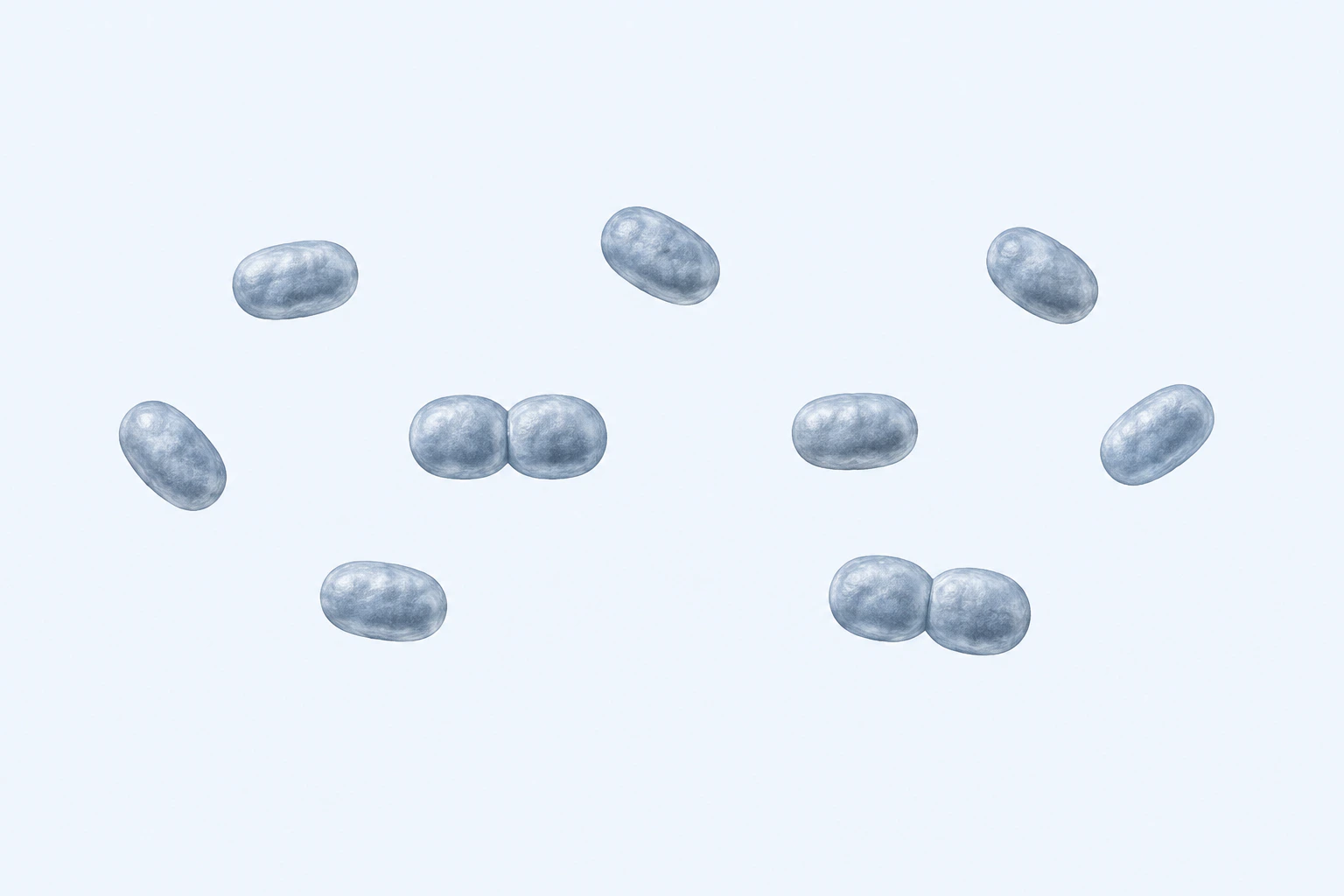
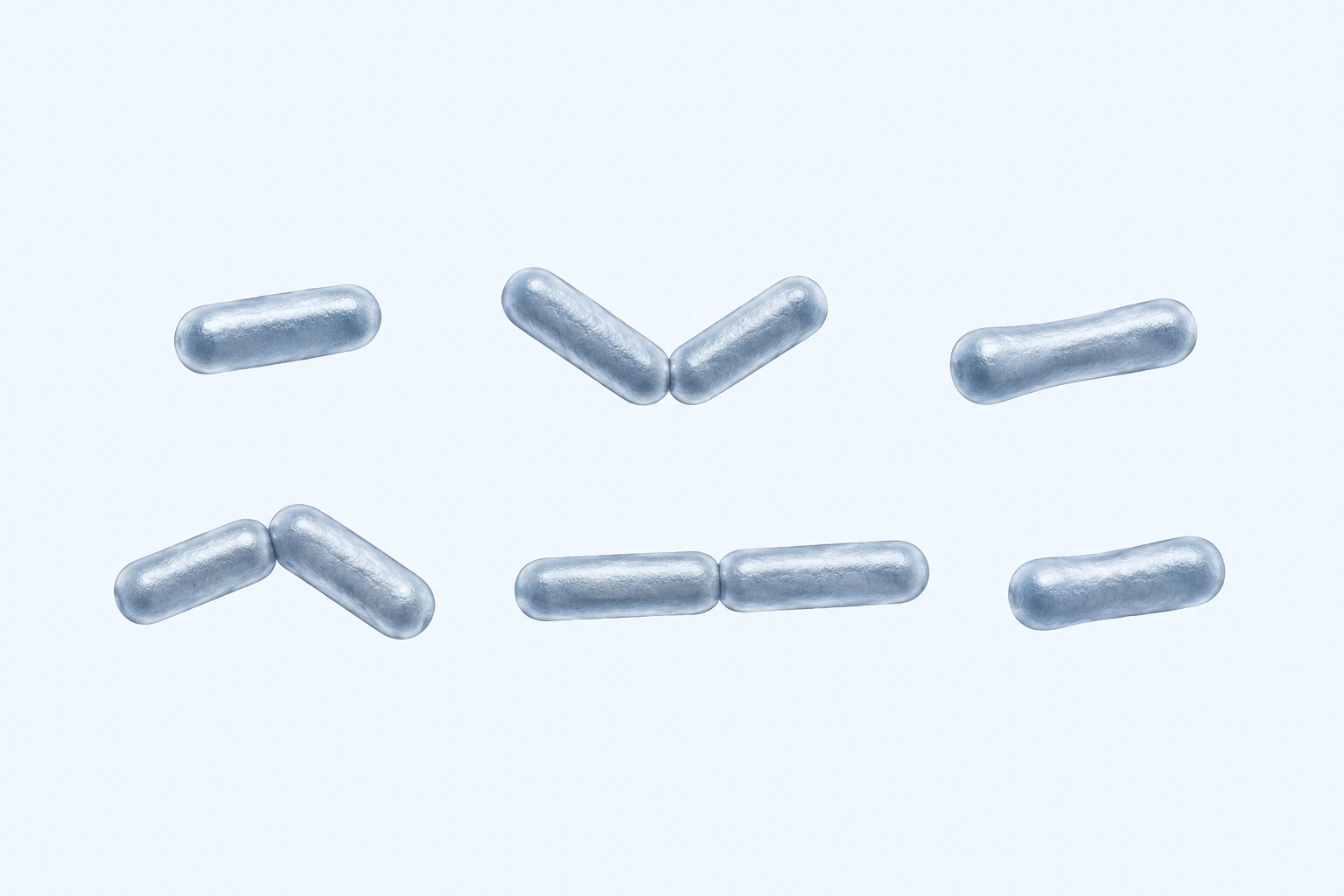
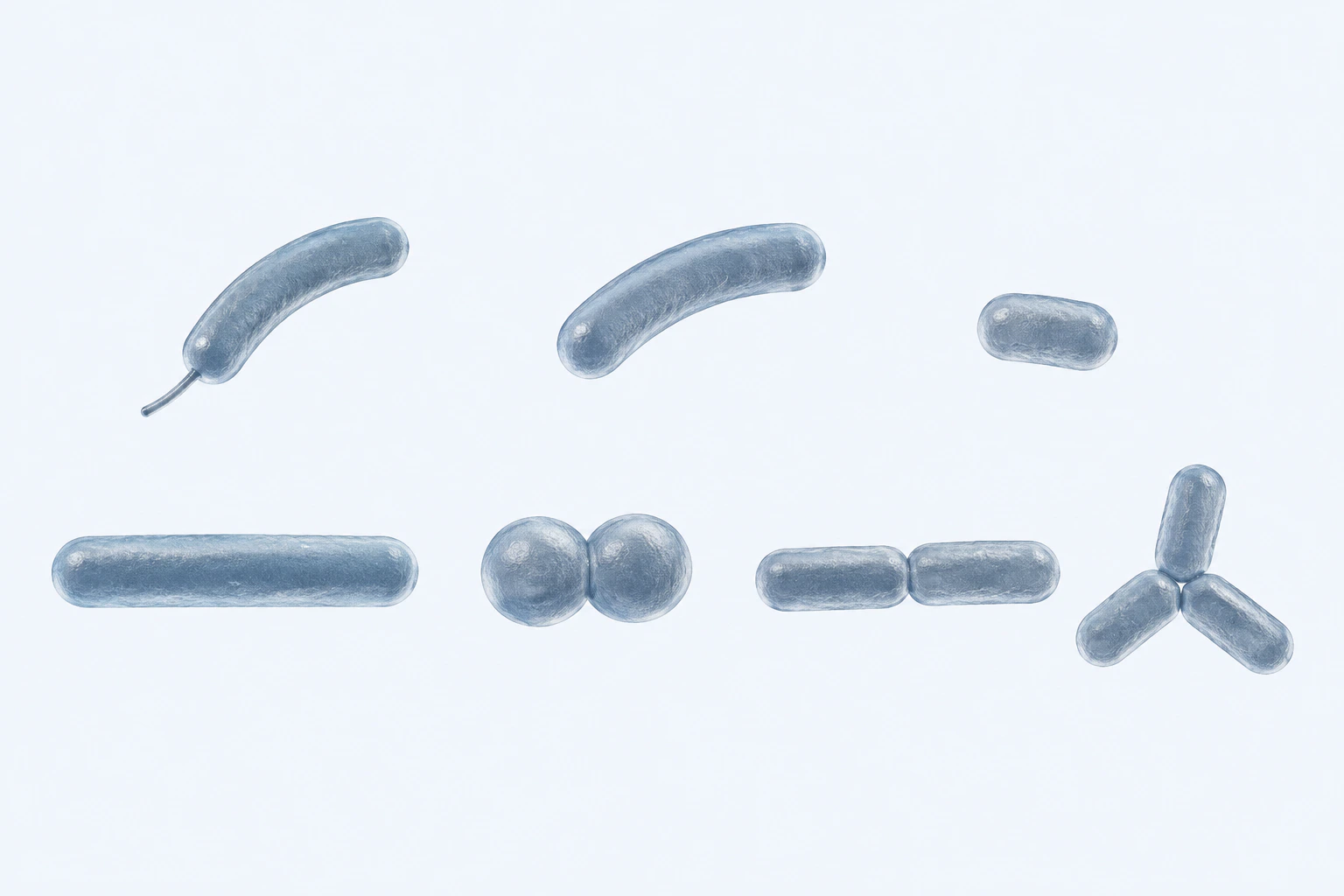
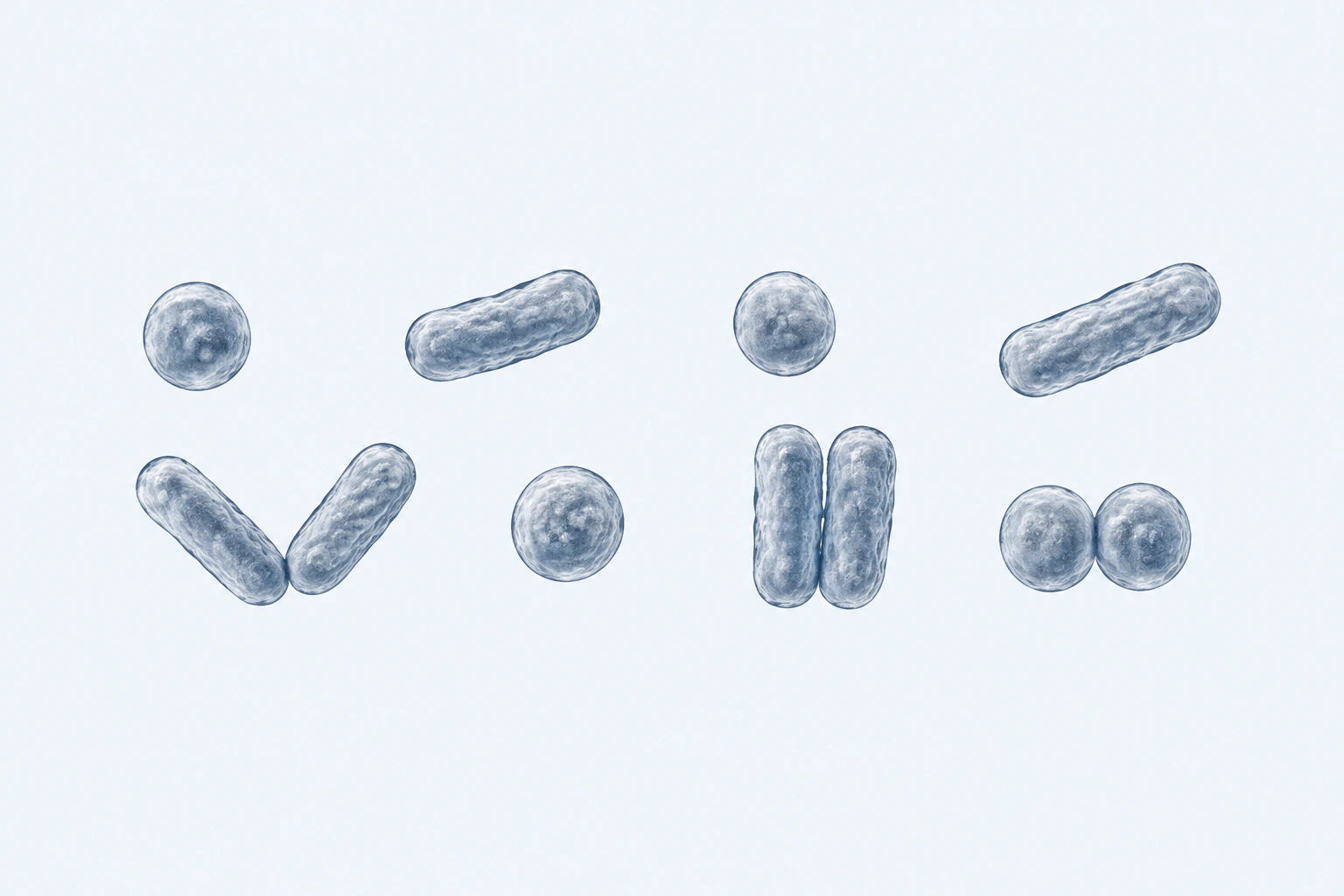
Eleven selected Bacillota bodies appear in seven groupings: three single rods, one single coccoid, one rod pair, one coccoid pair, and one three-rod chain.
Microorganisms10 sources

Firmicutes (Bacillota)

Firmicutes (recently reclassified as Bacillota) is the dominant bacterial phylum in the Western adult gut, comprising the core community of short-chain fatty acid (SCFA) producers that maintain intestinal barrier integrity, regulate immune function, and influence system

G
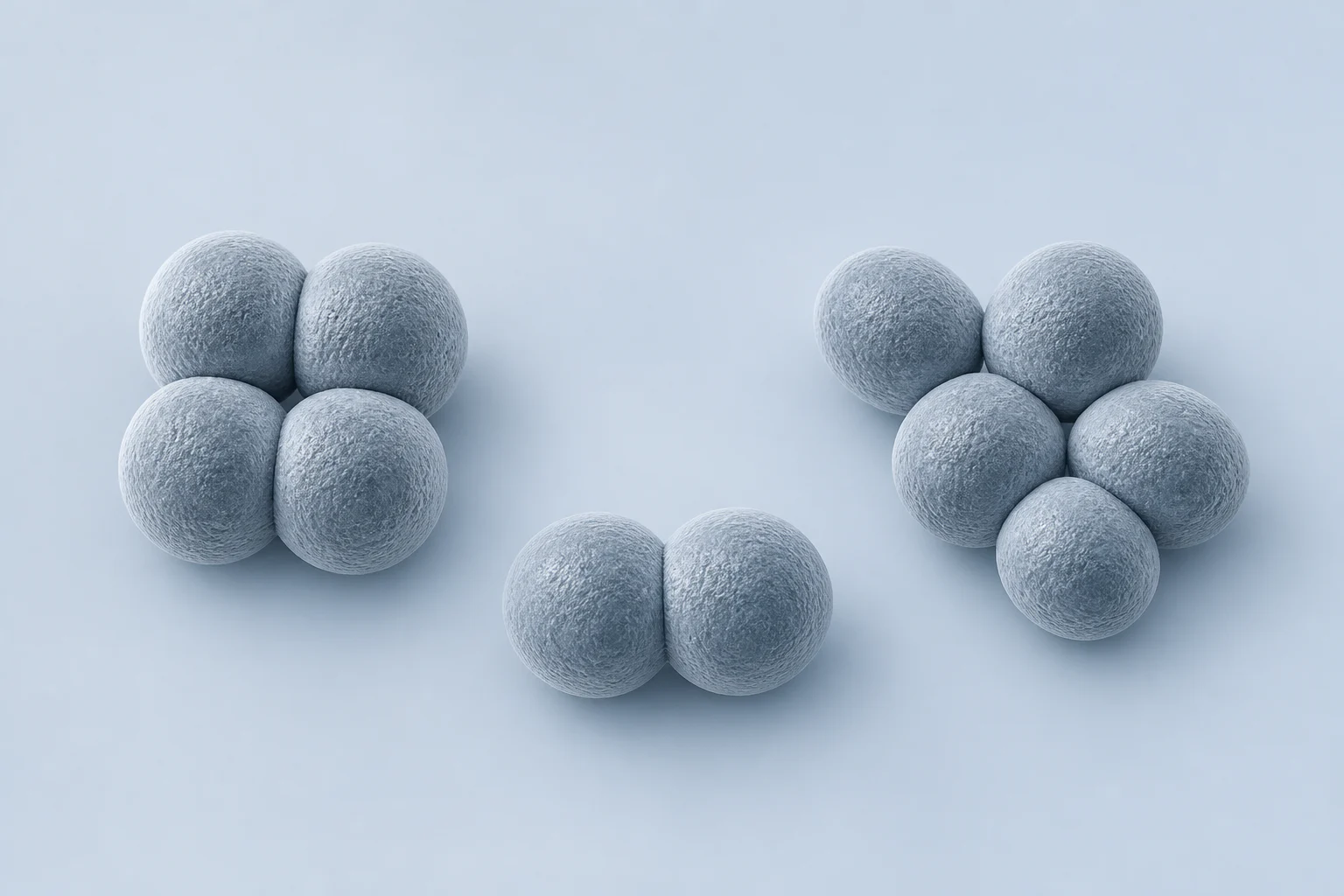
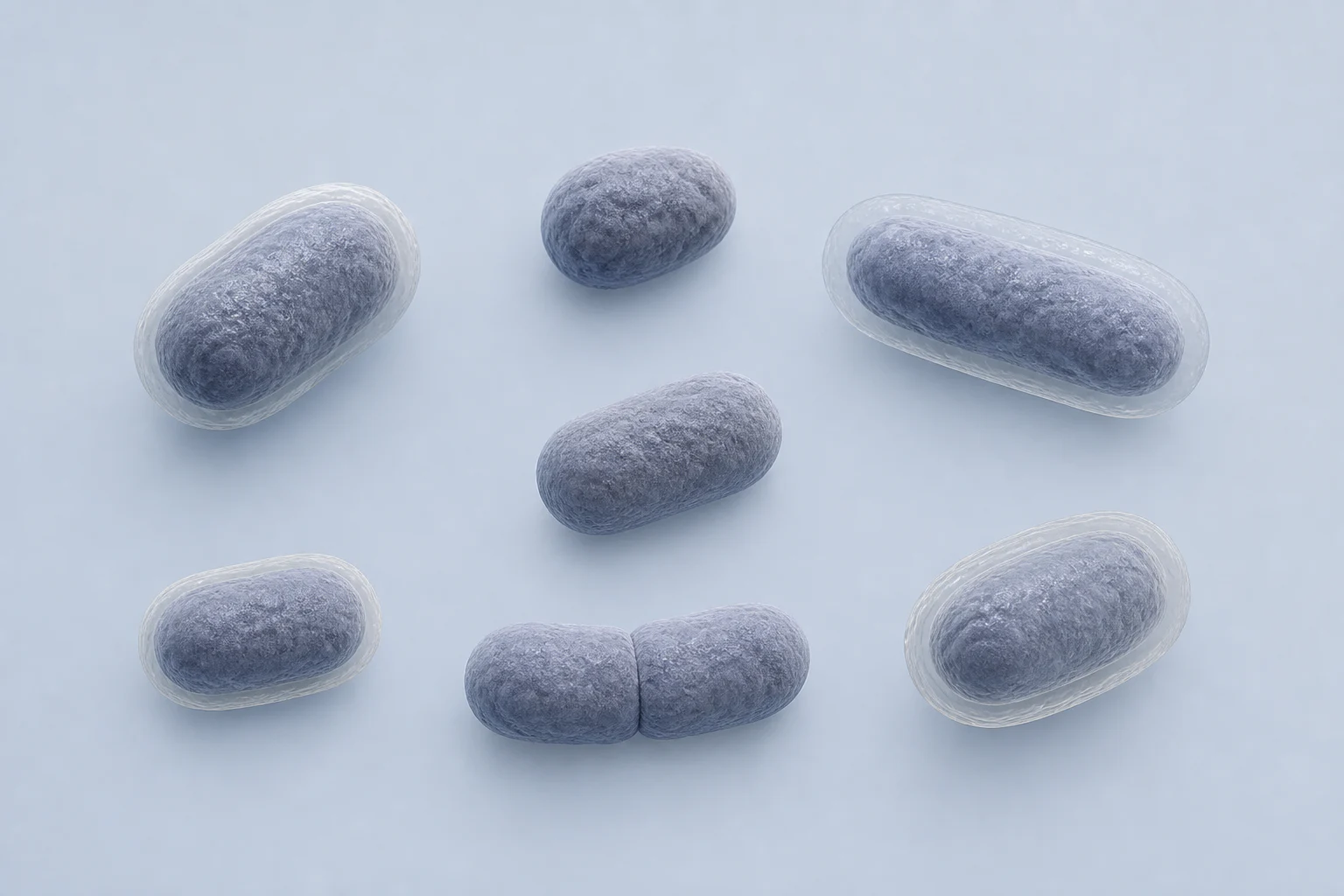
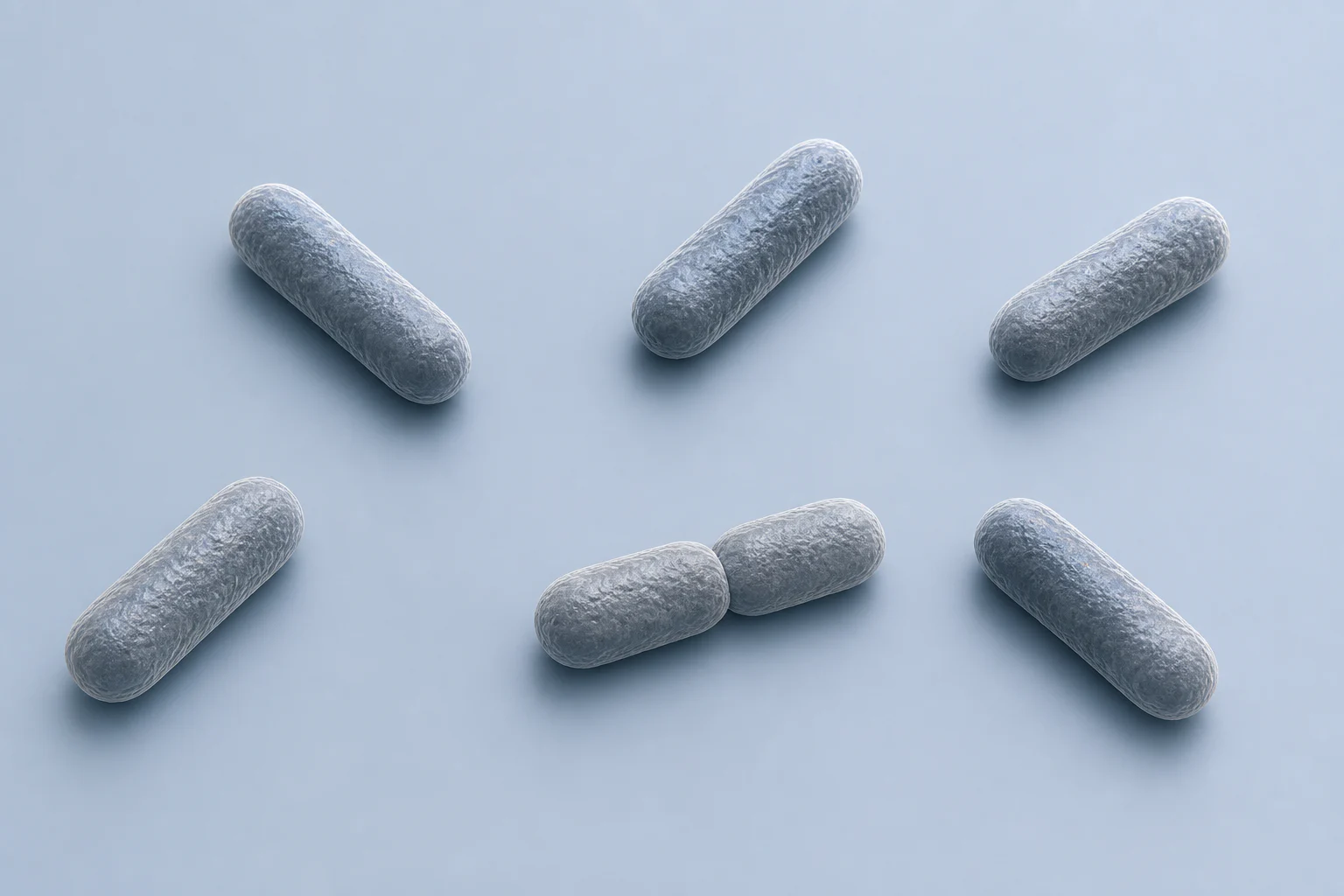
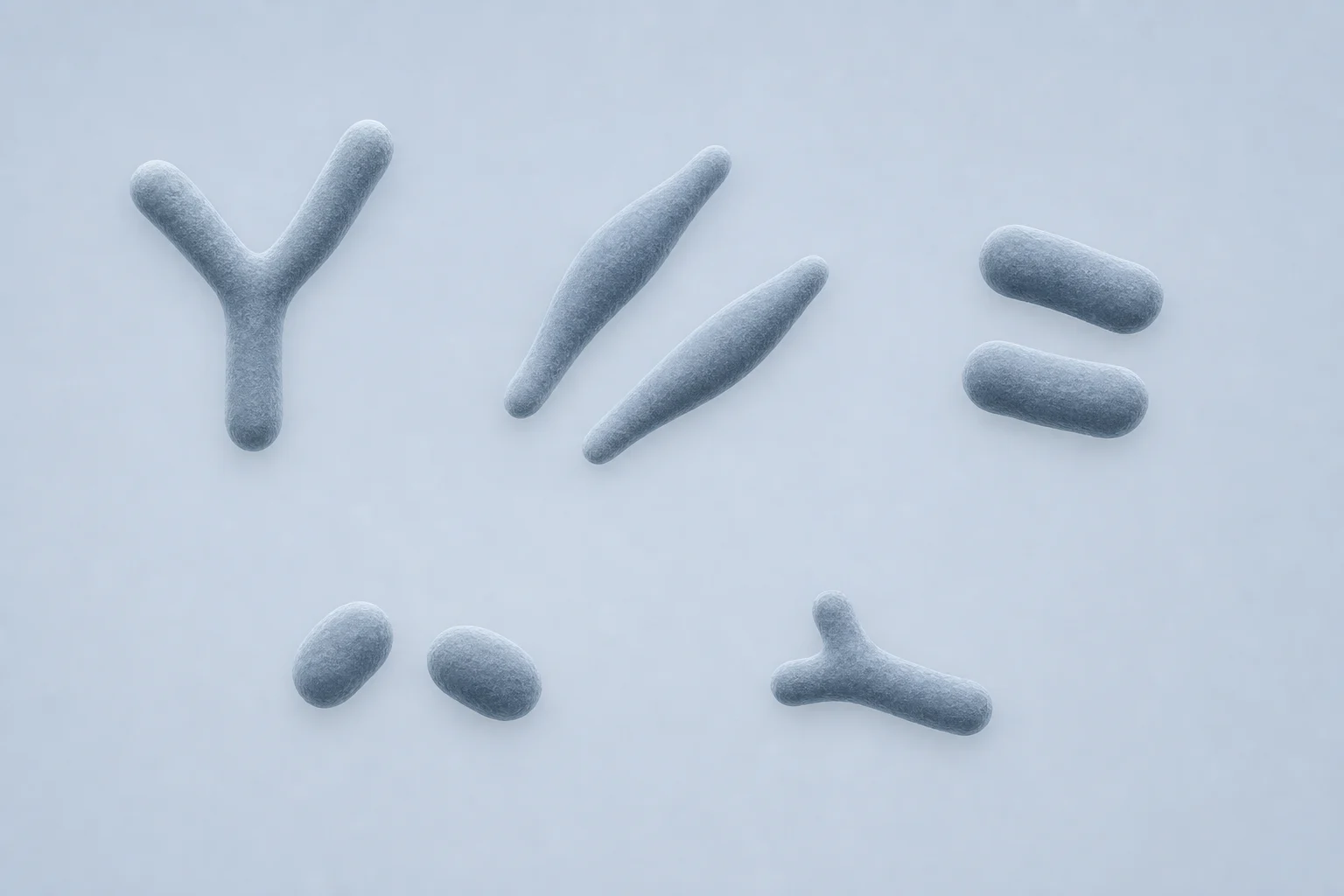
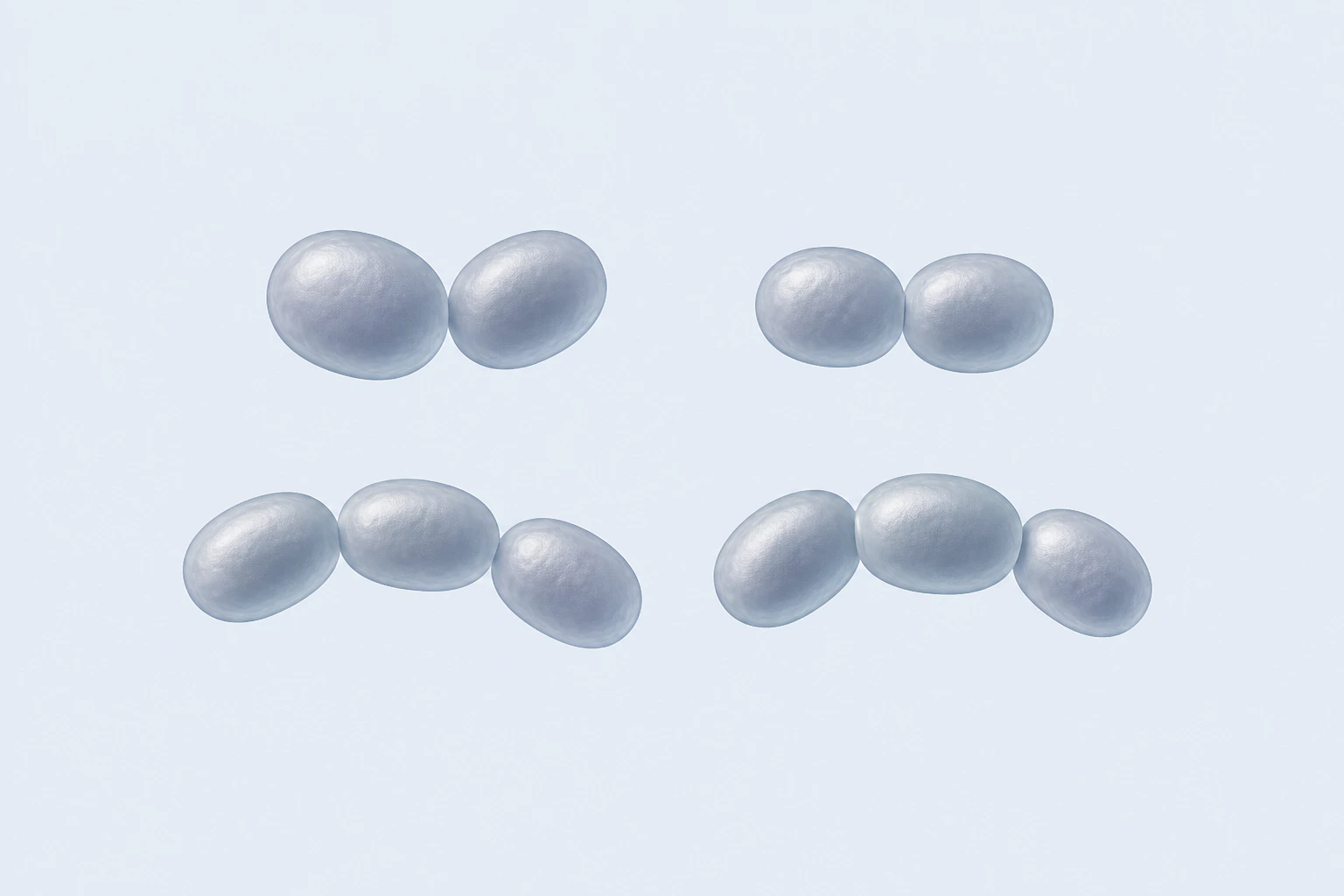
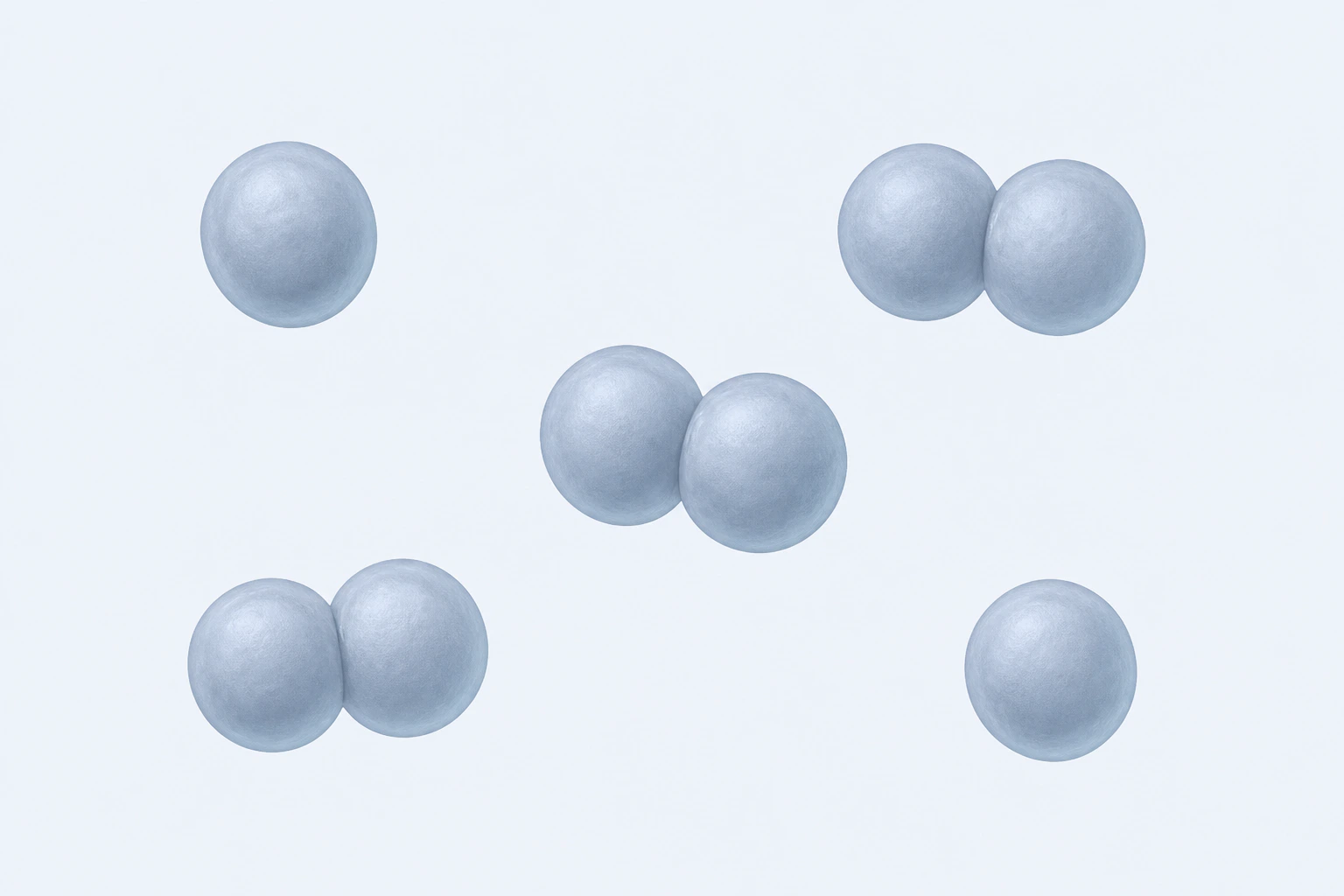
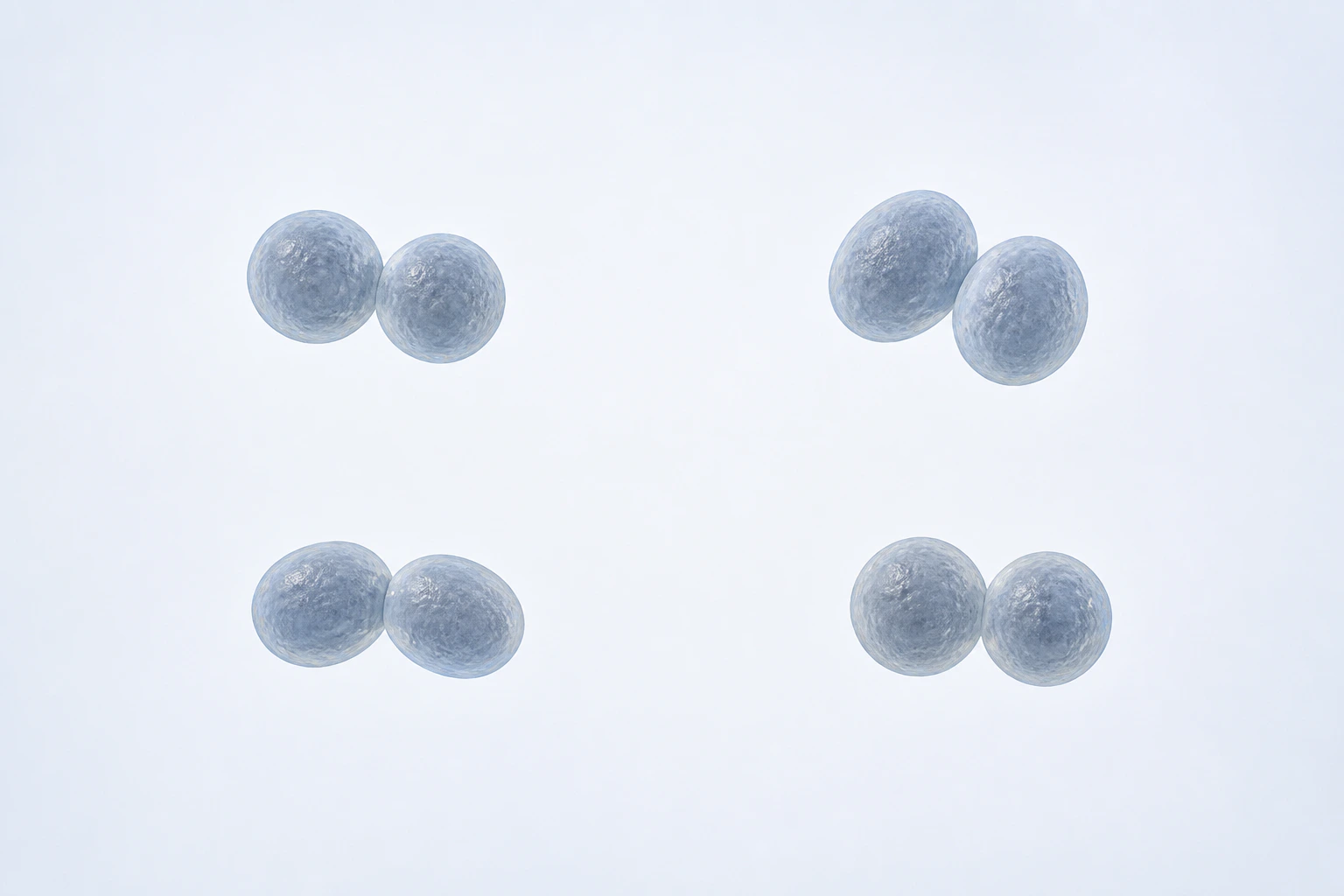
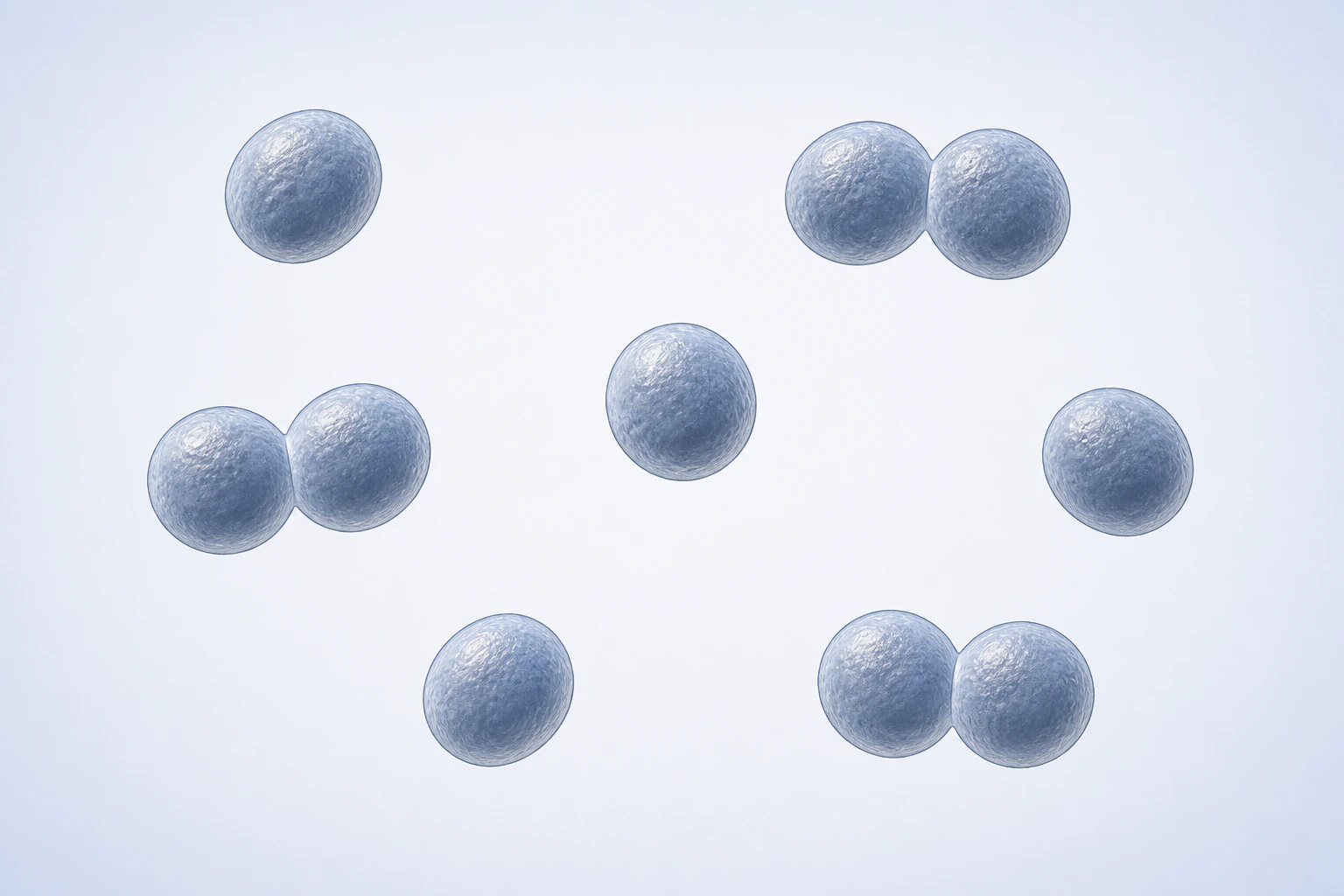
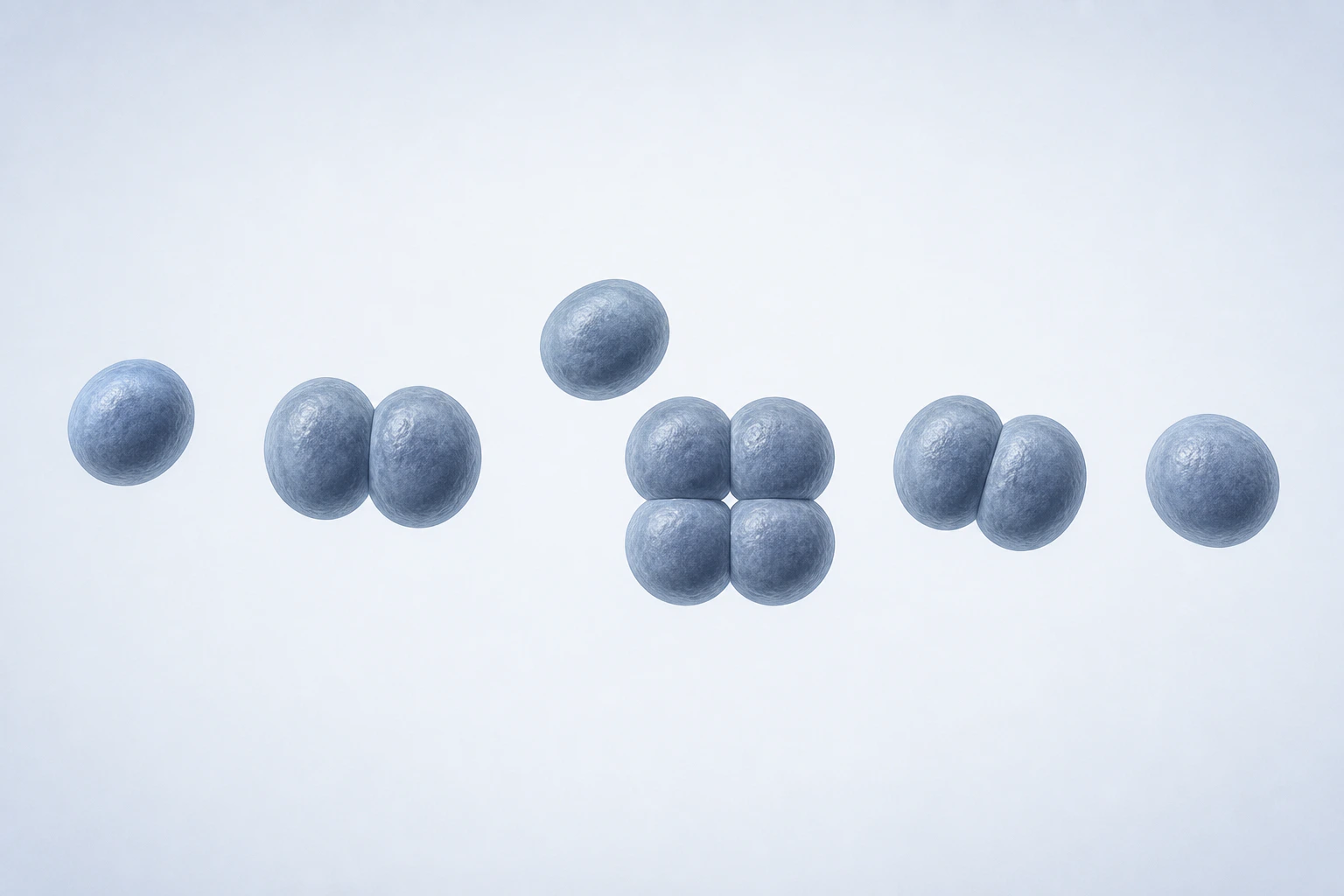
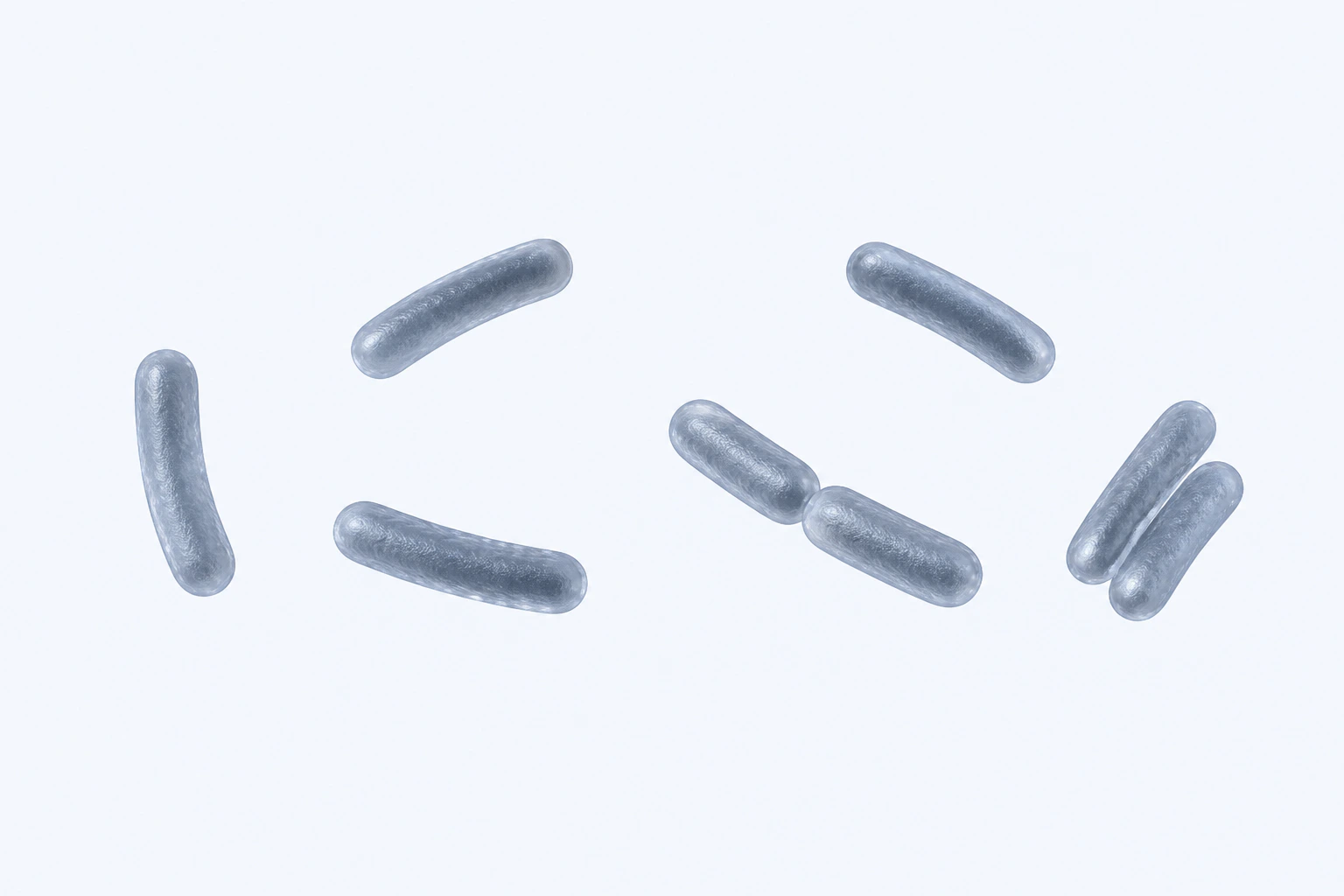
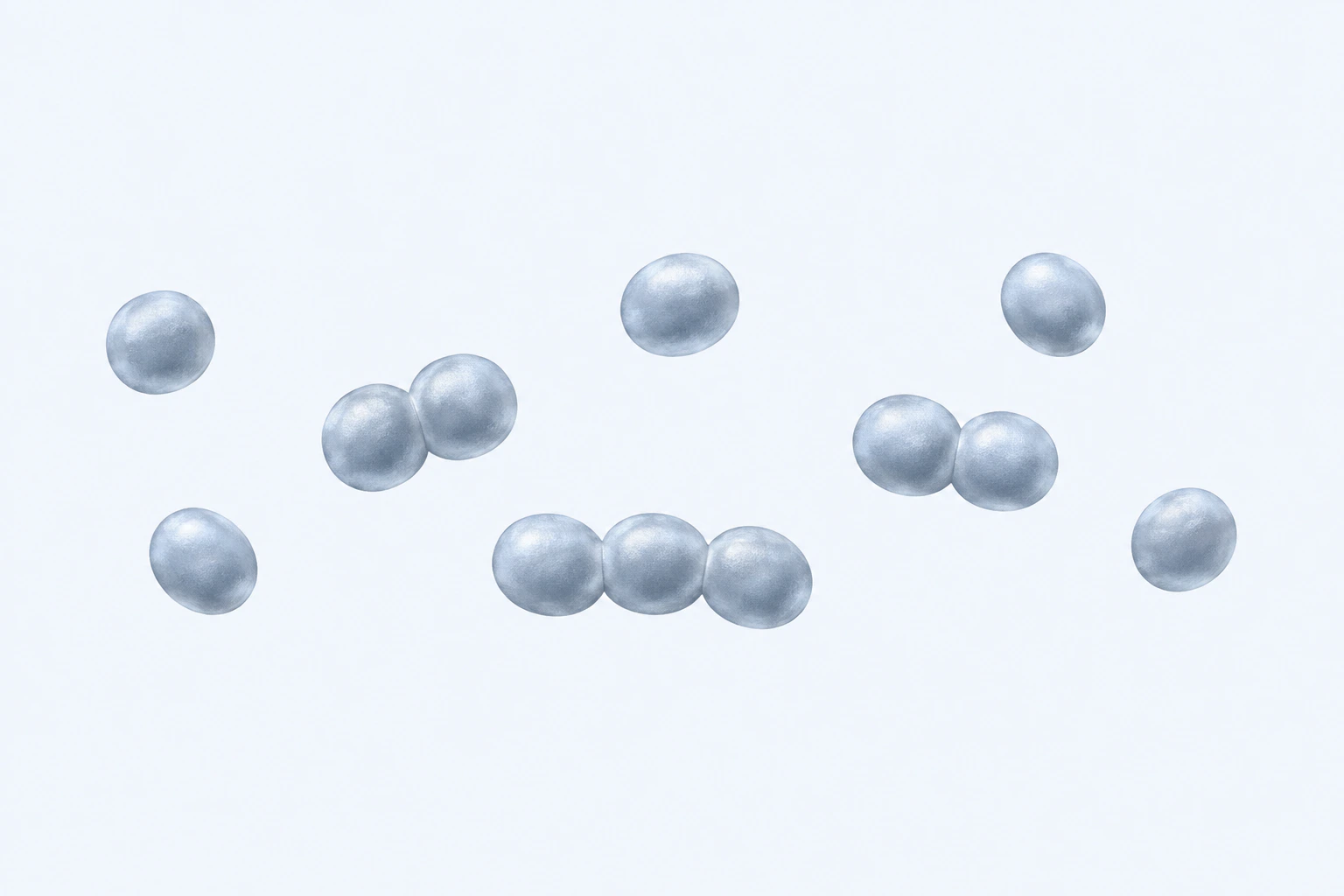
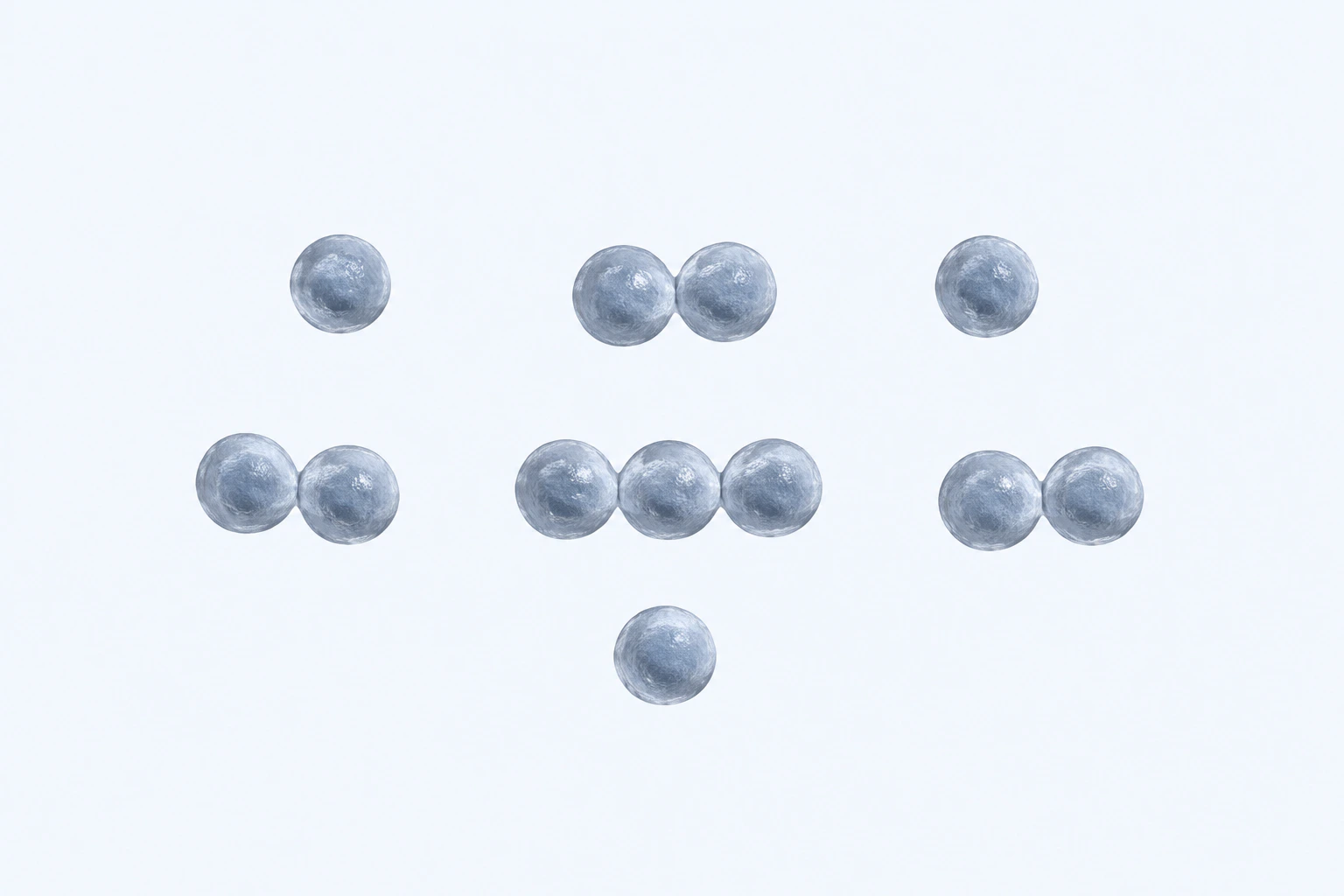
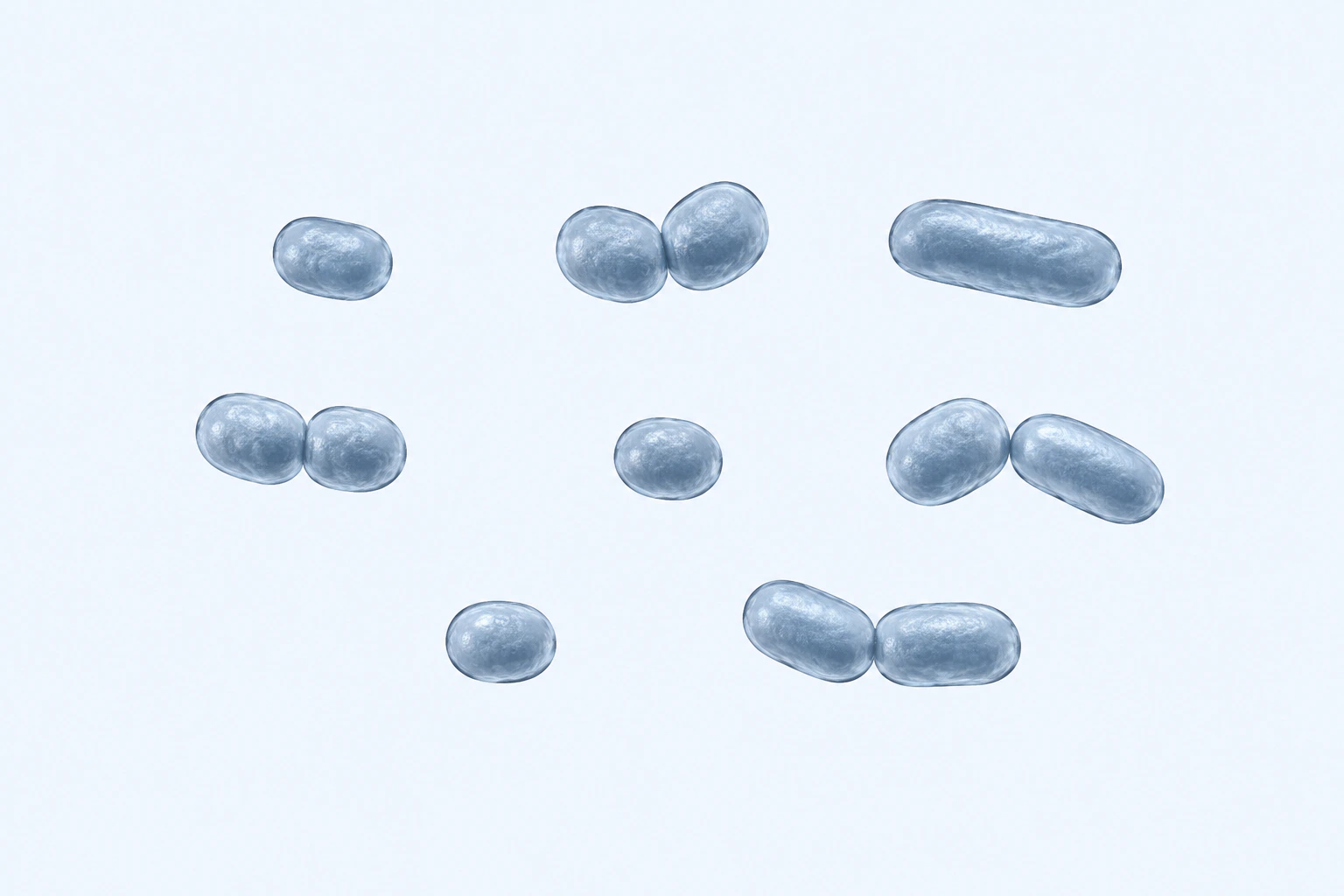
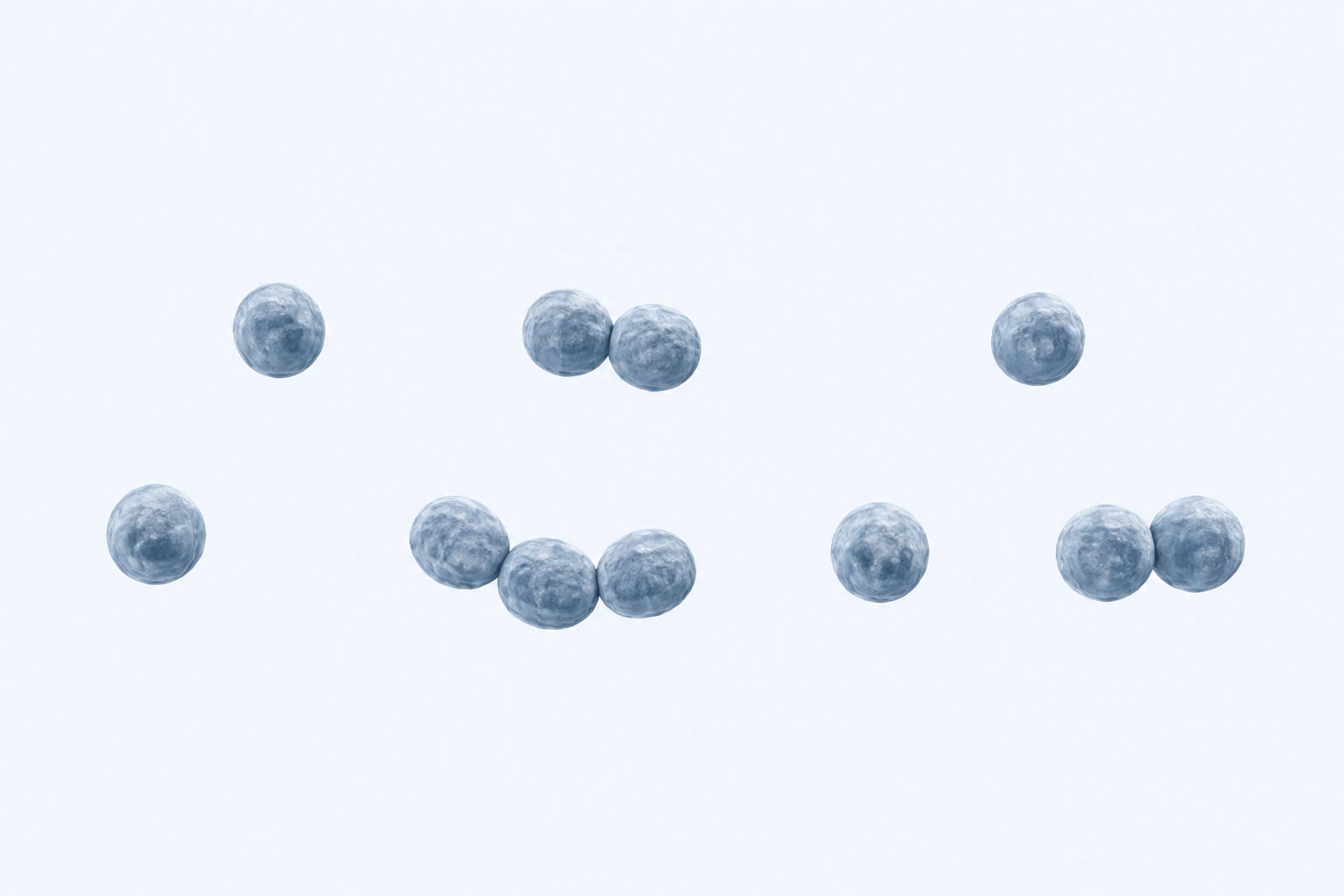
Eleven selected Gemella coccoid bodies appear in six groupings: three singles, two touching pairs, and one compact tetrad.
Microorganisms7 sources

Gemella

Gemella is a genus of Gram-positive, facultatively anaerobic cocci that are normal commensals of the oral cavity. Species include G. morbillorum, G. haemolysans, and G. sanguinis. In the WikiBiome context, Gemella is notable for its oral-gut translocation pattern — an o

H
L
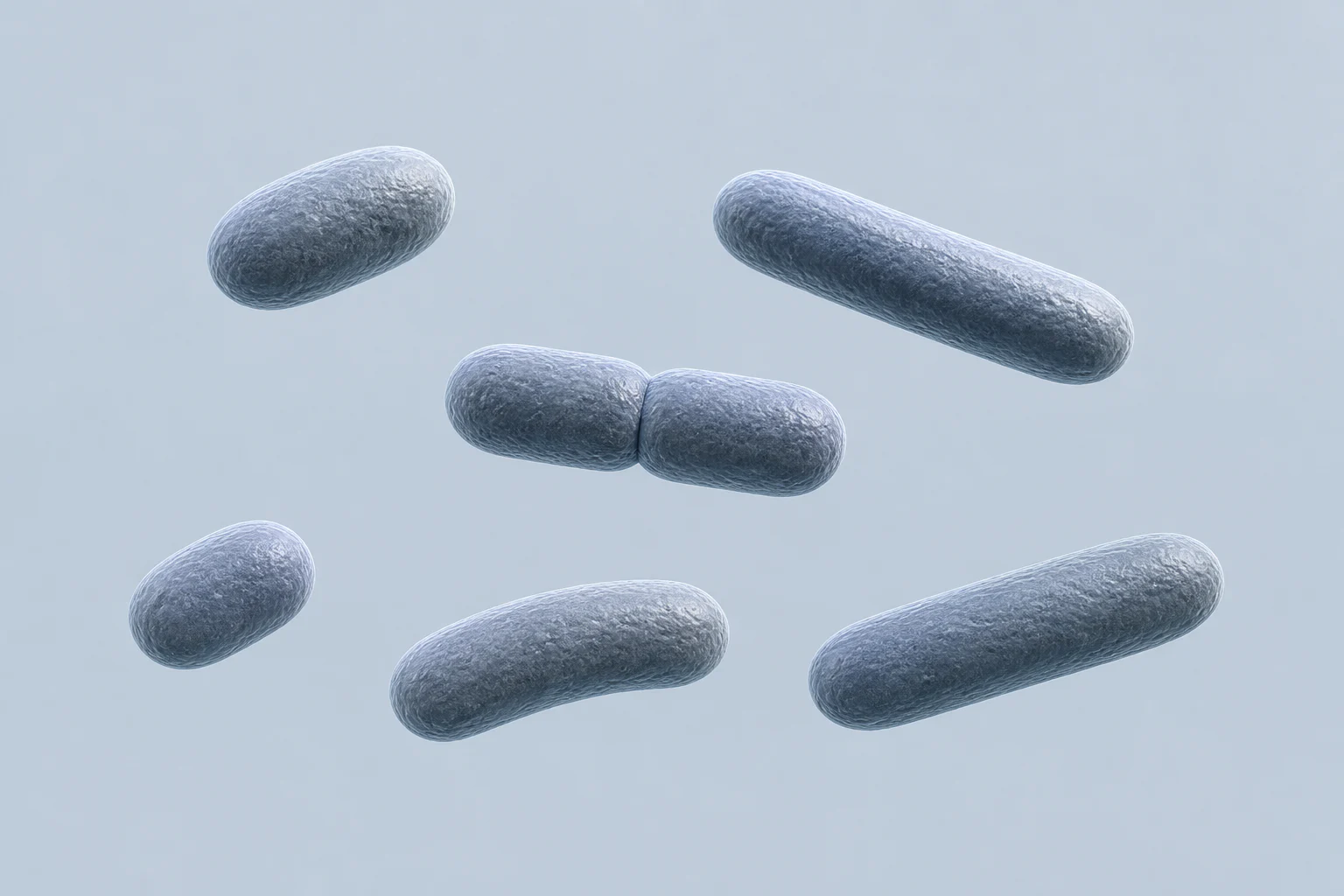
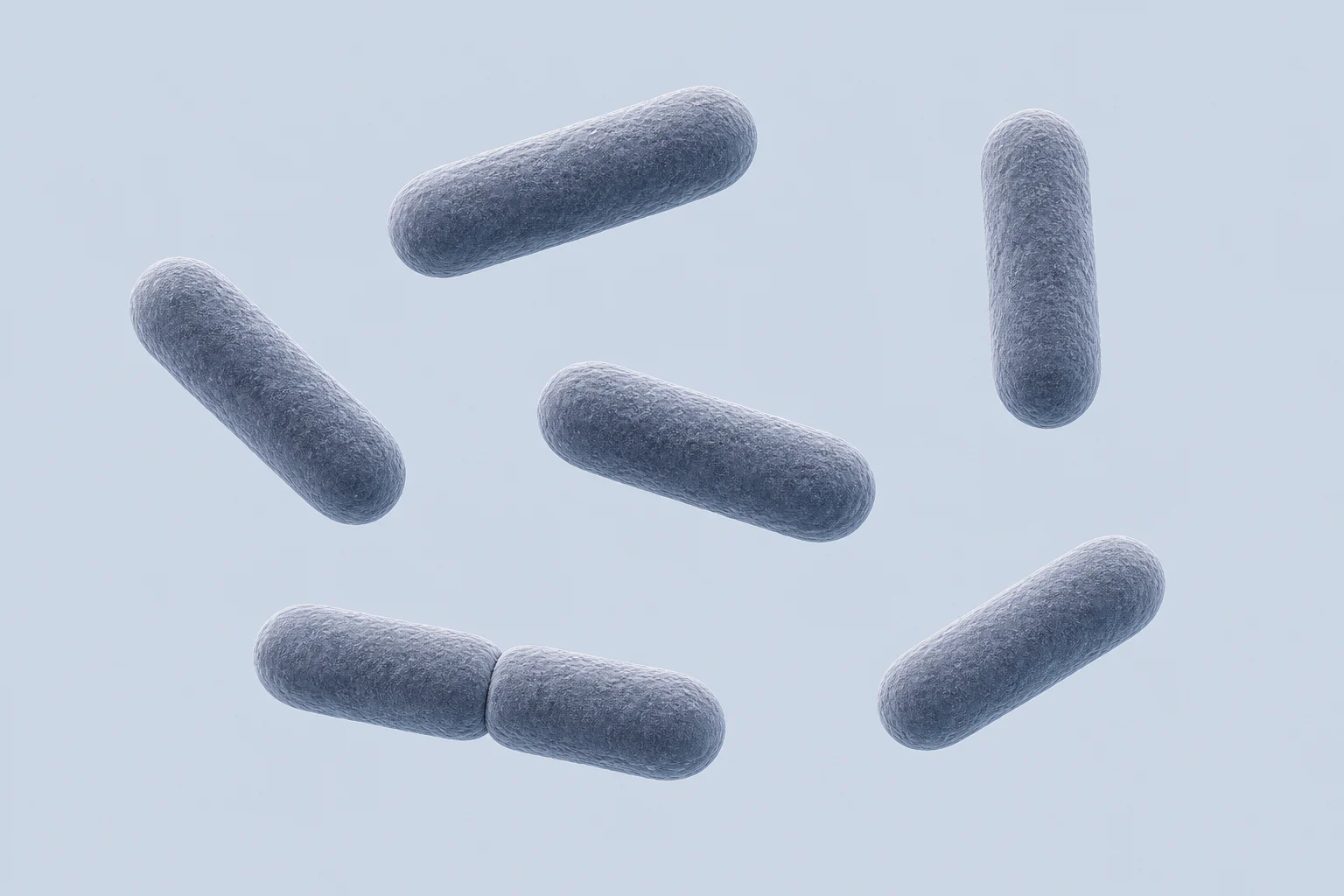
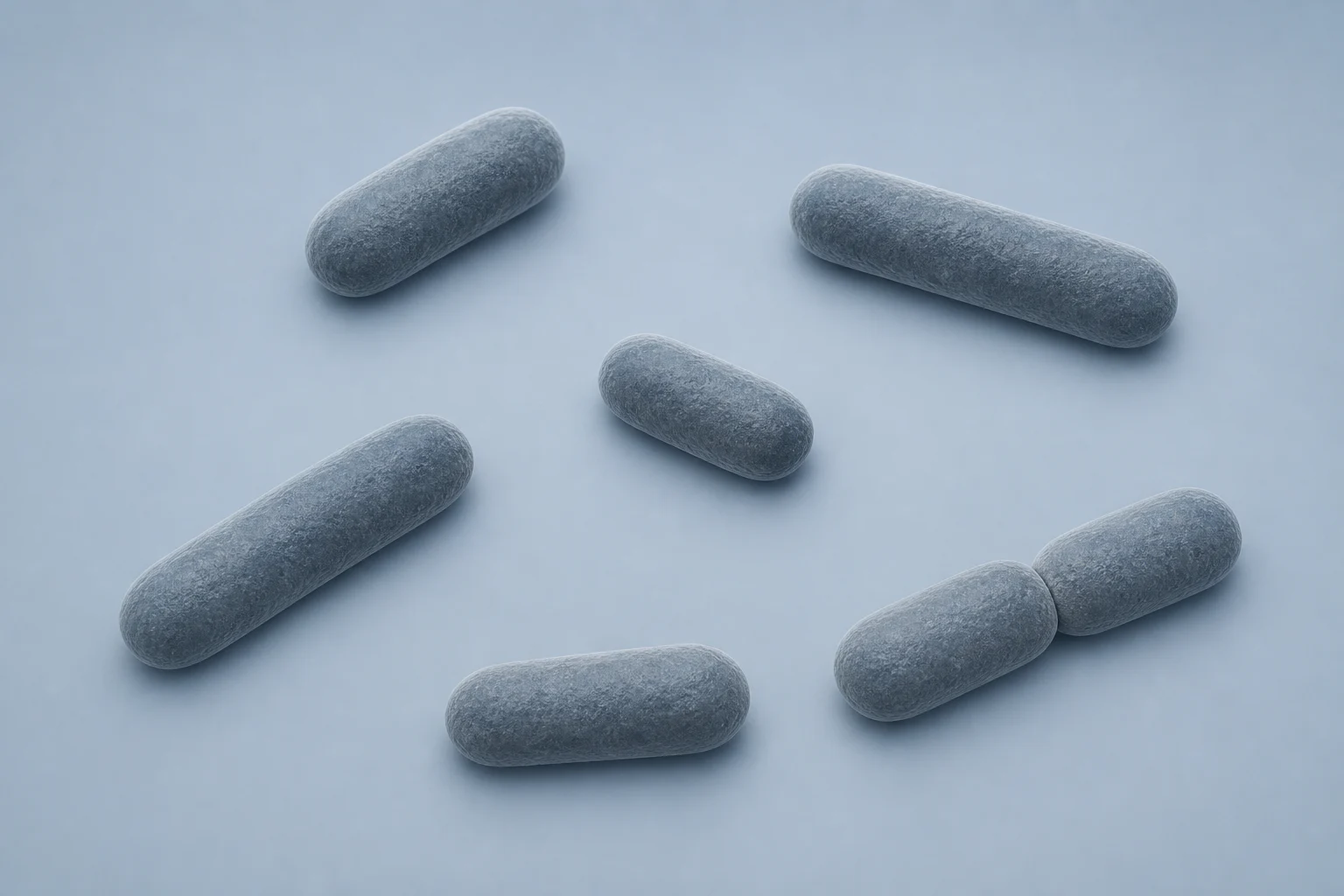
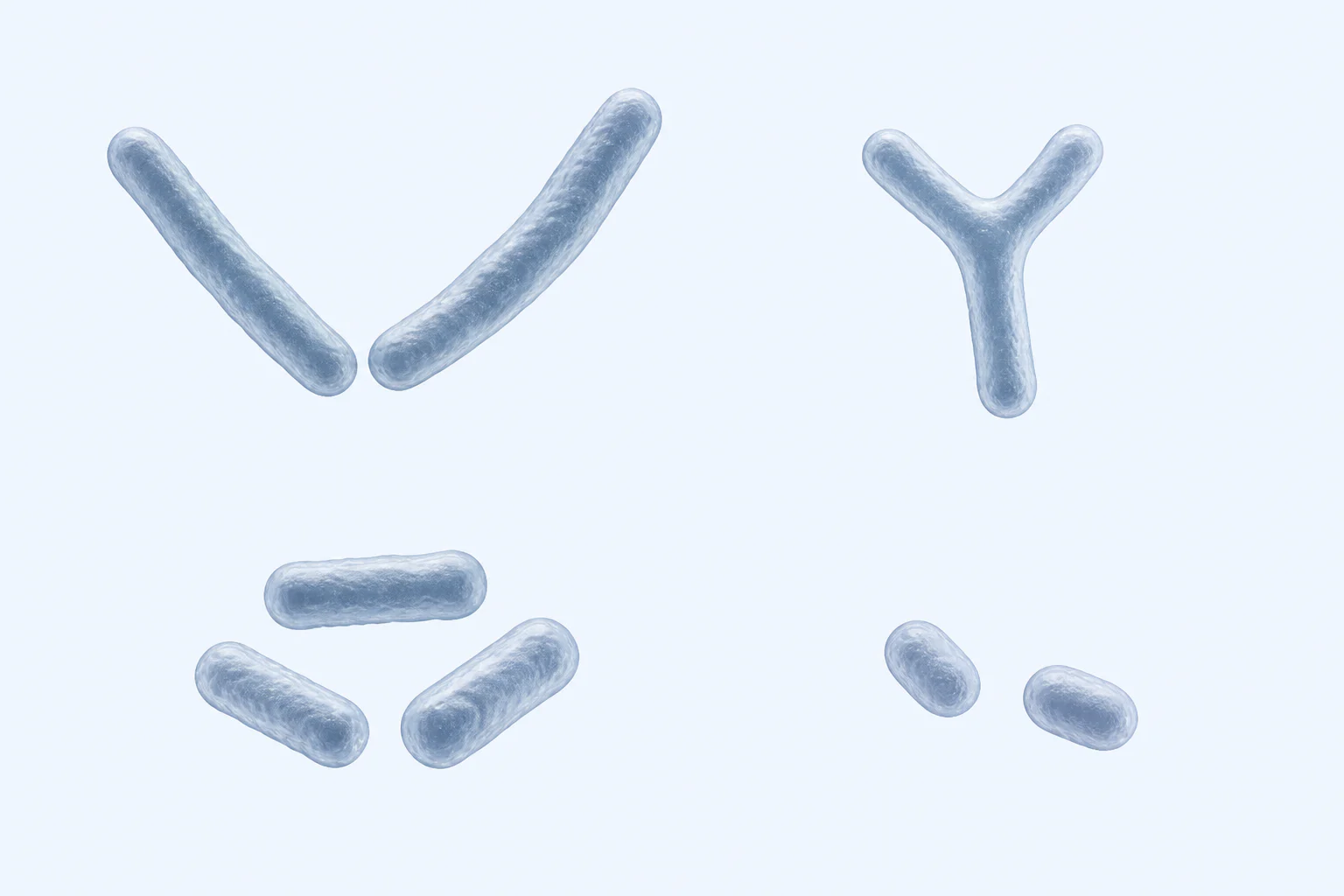
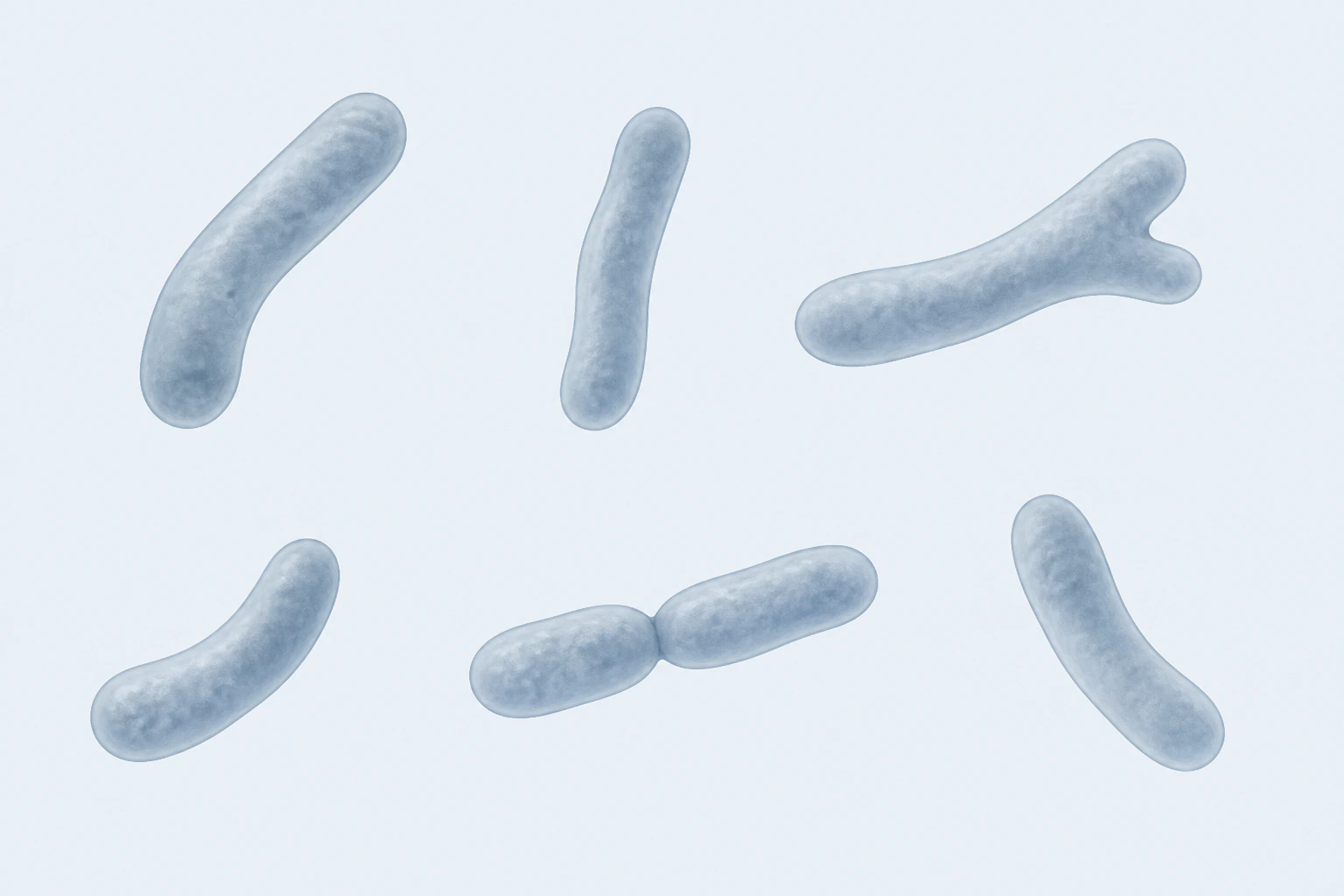
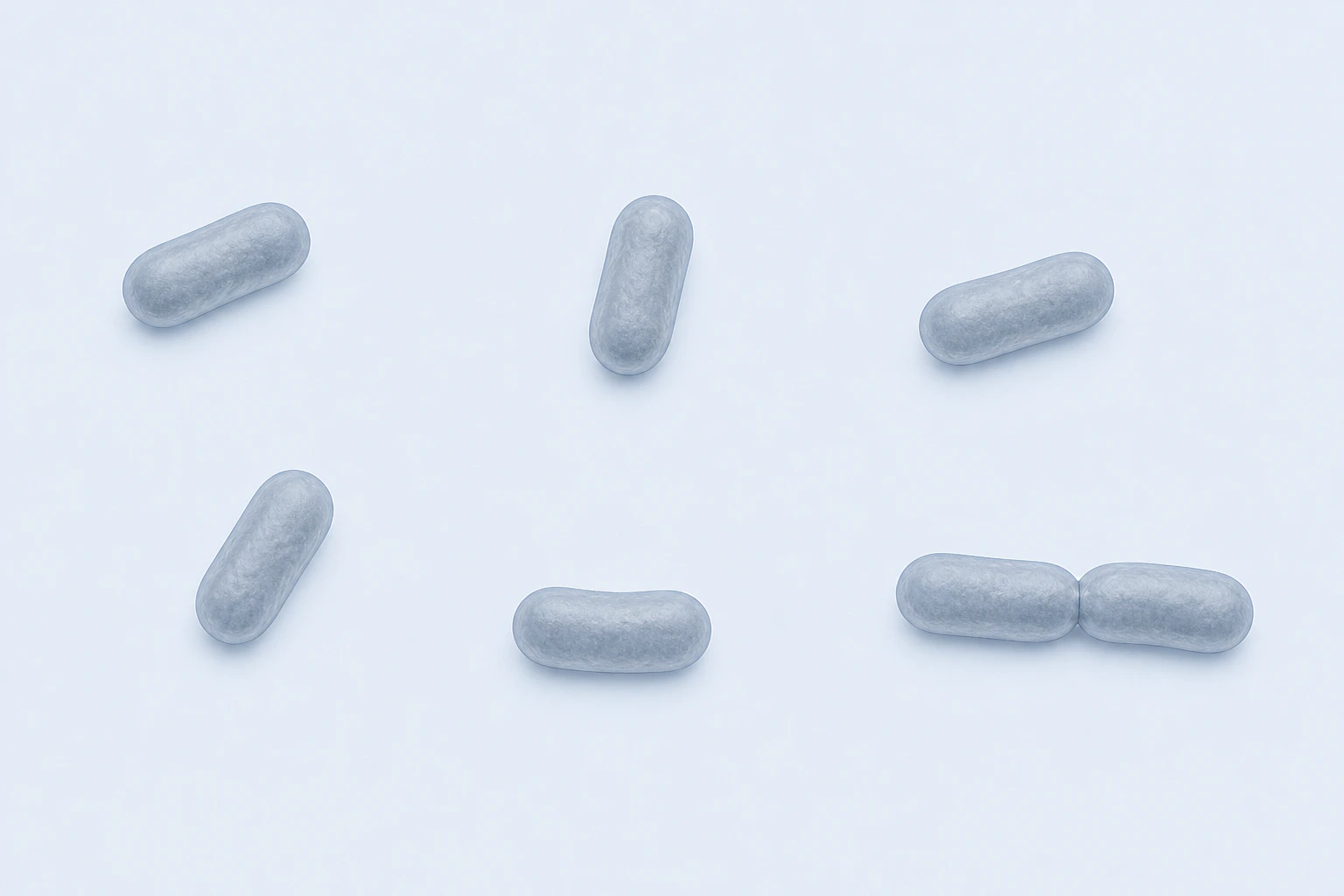
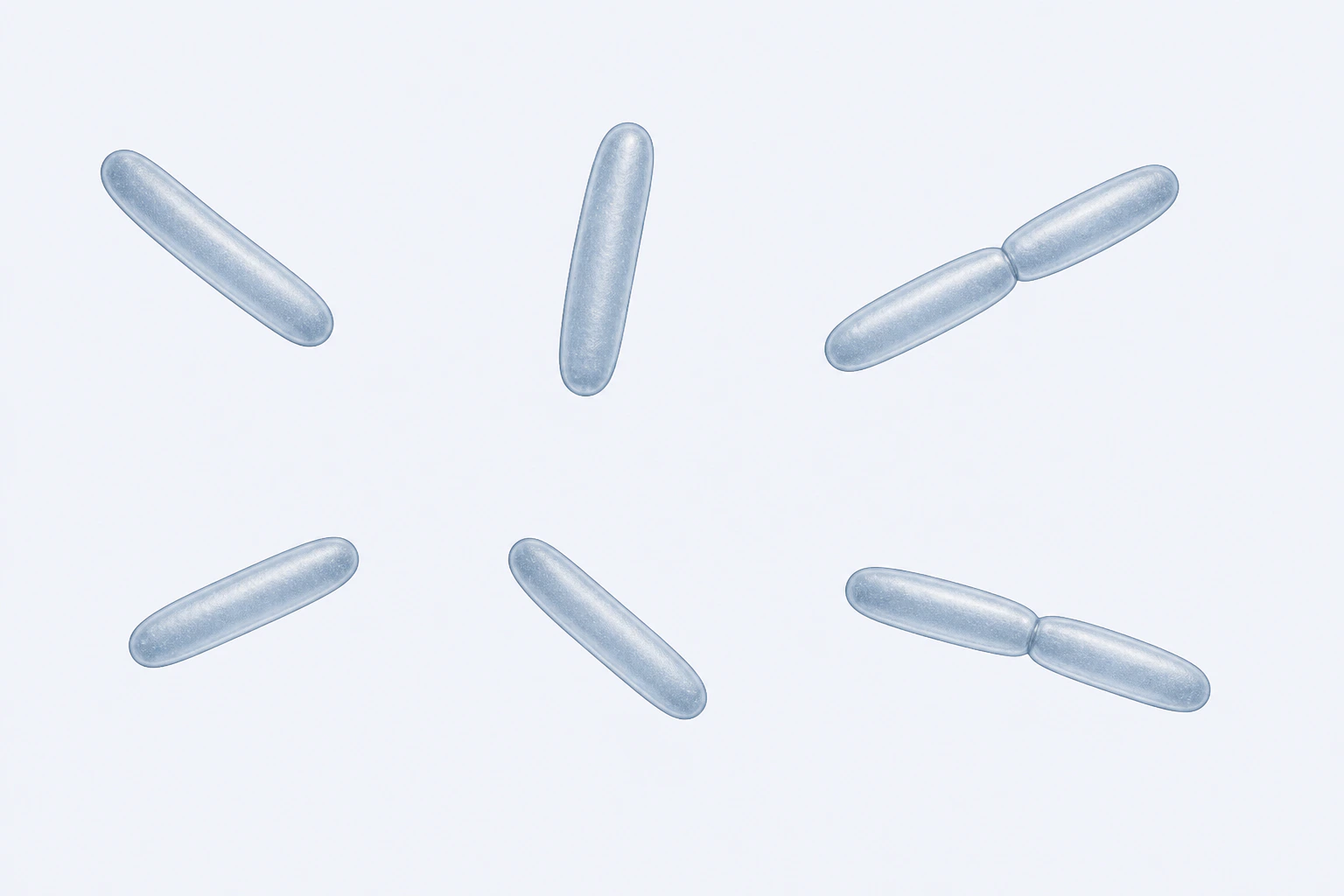
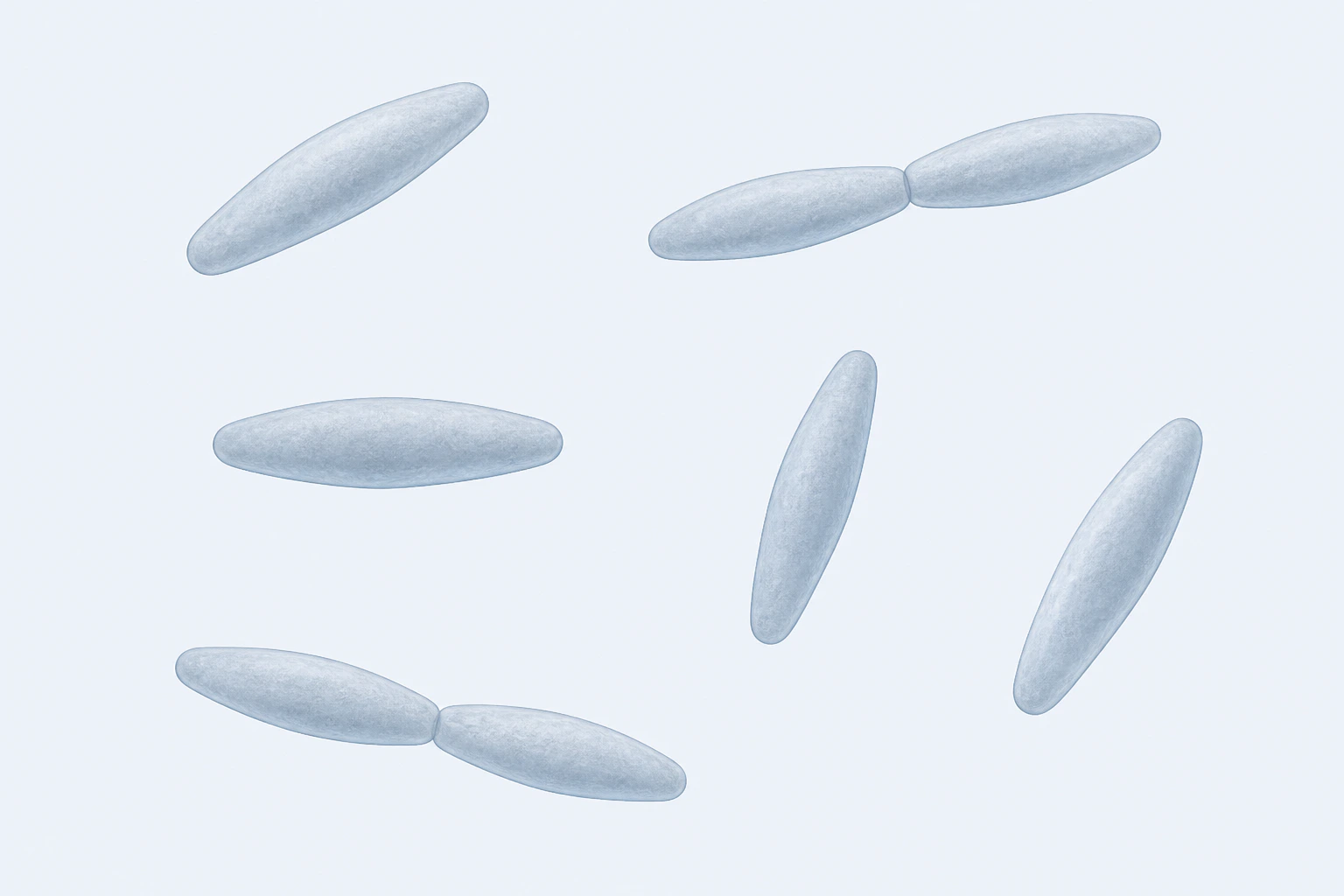
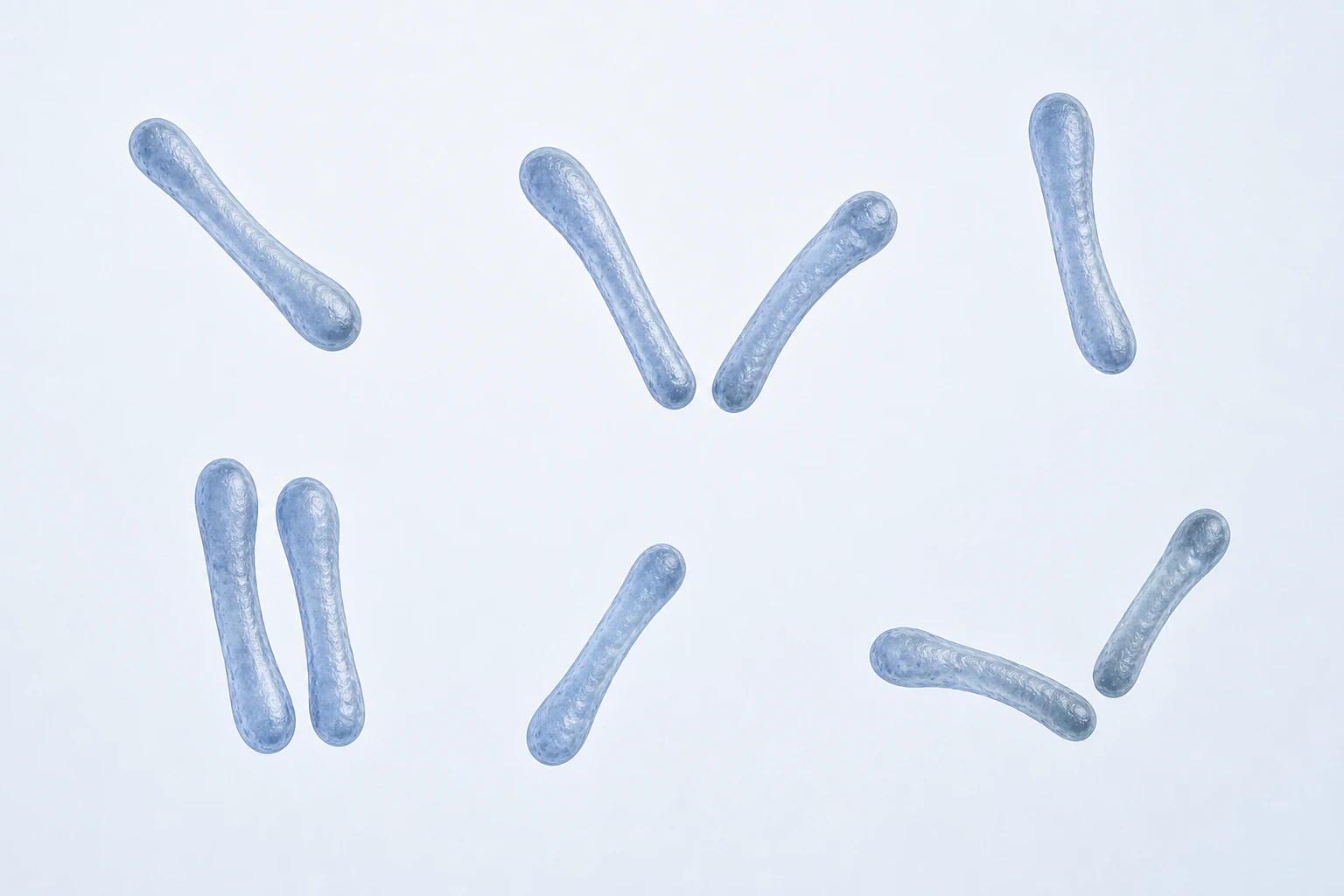
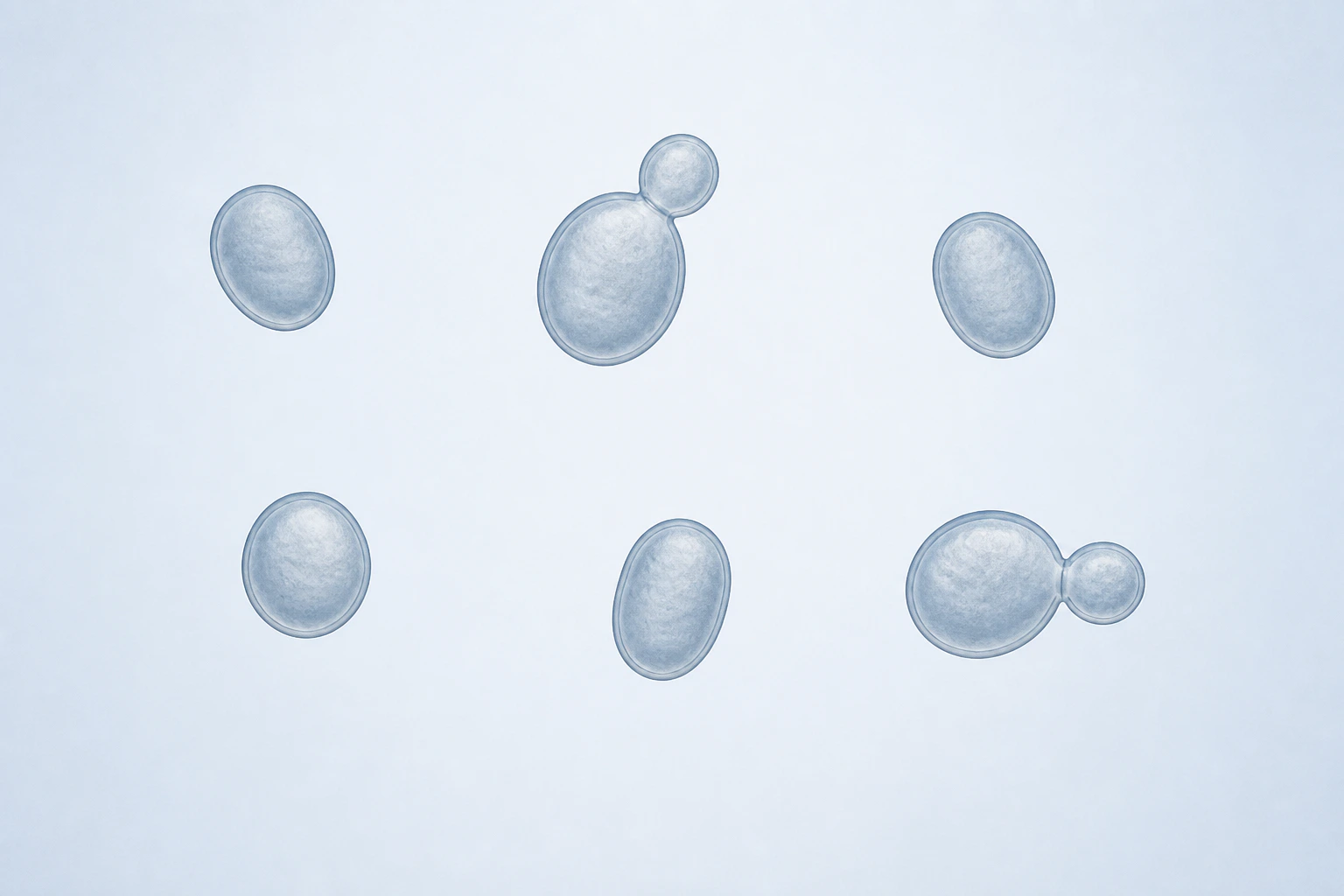
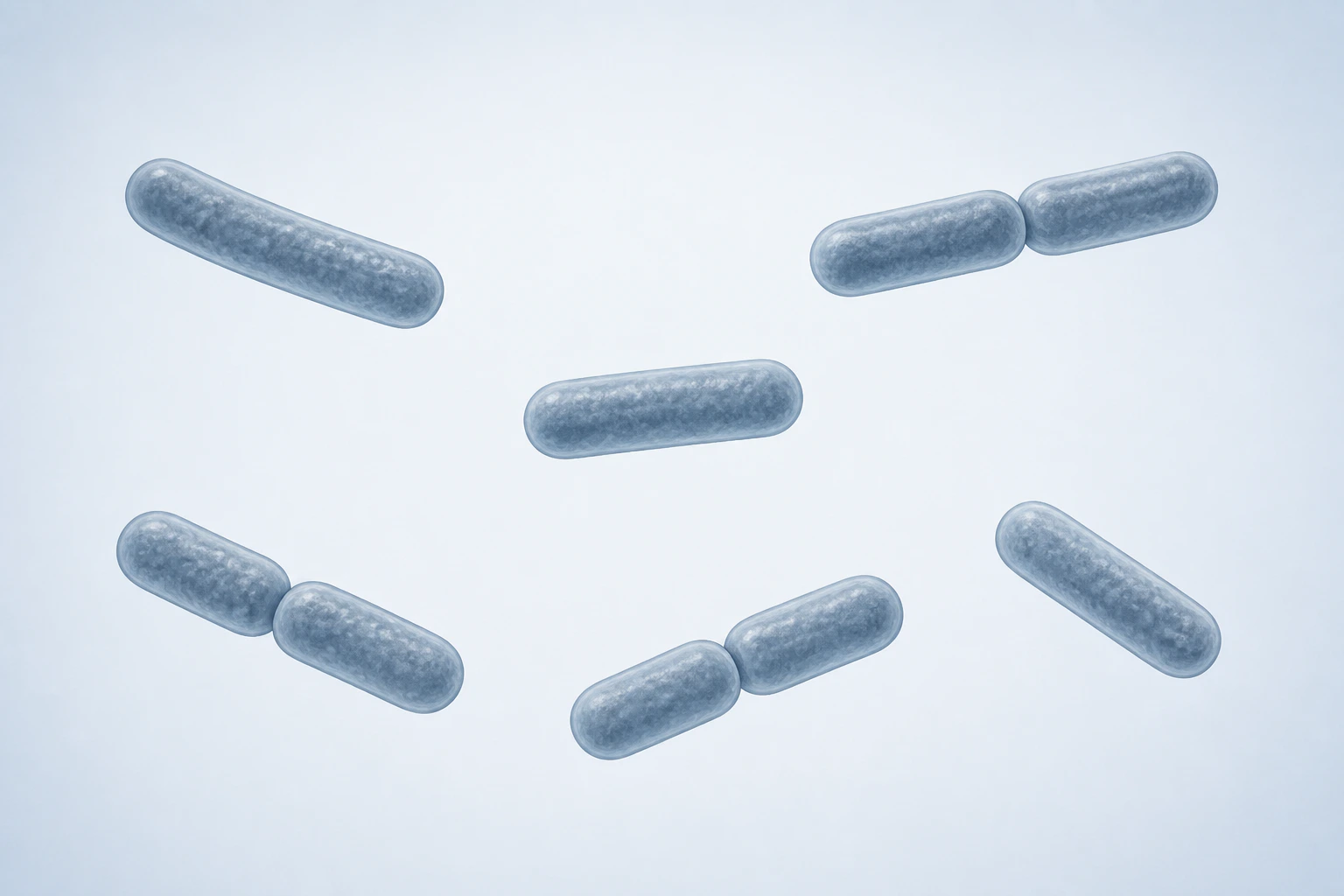
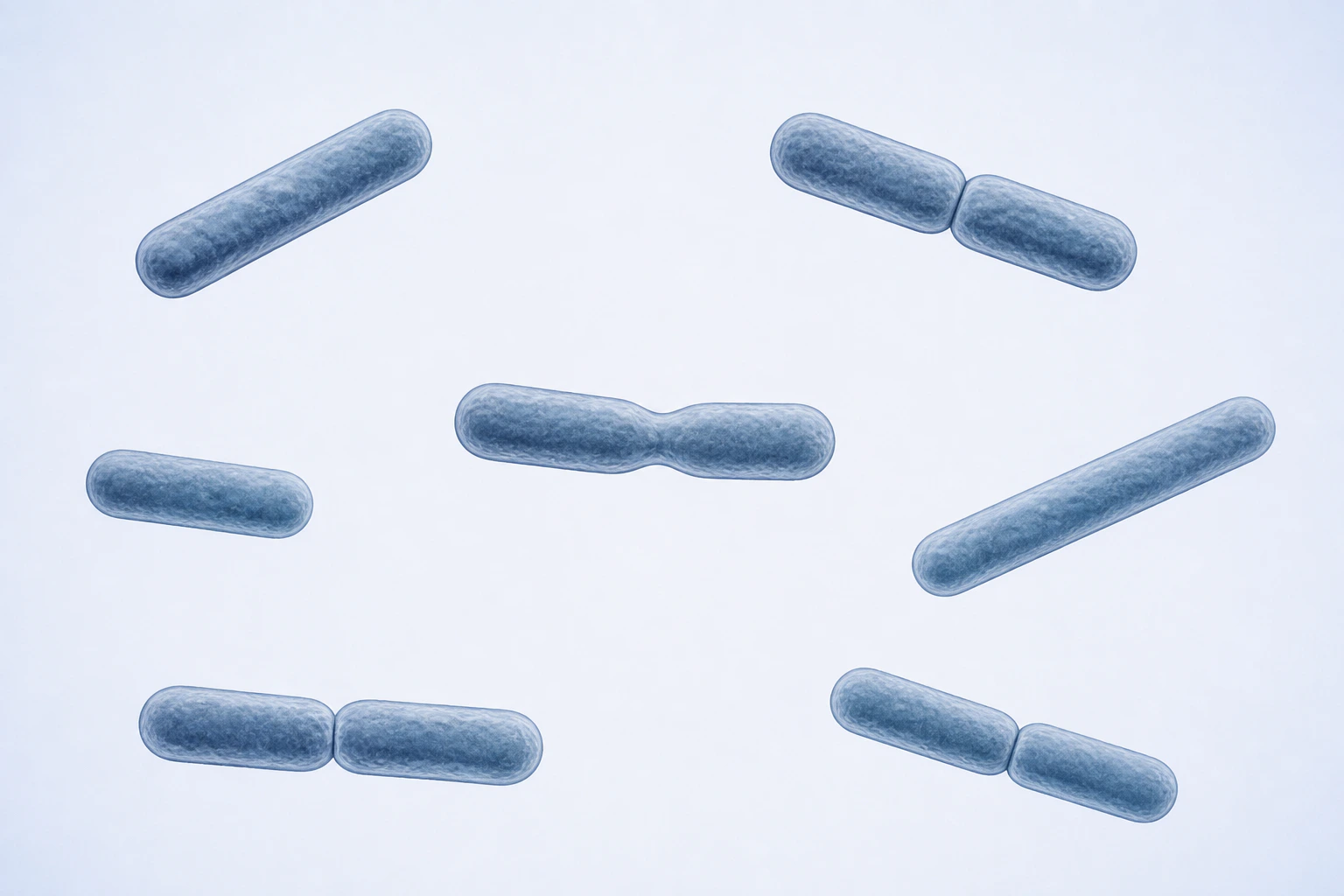
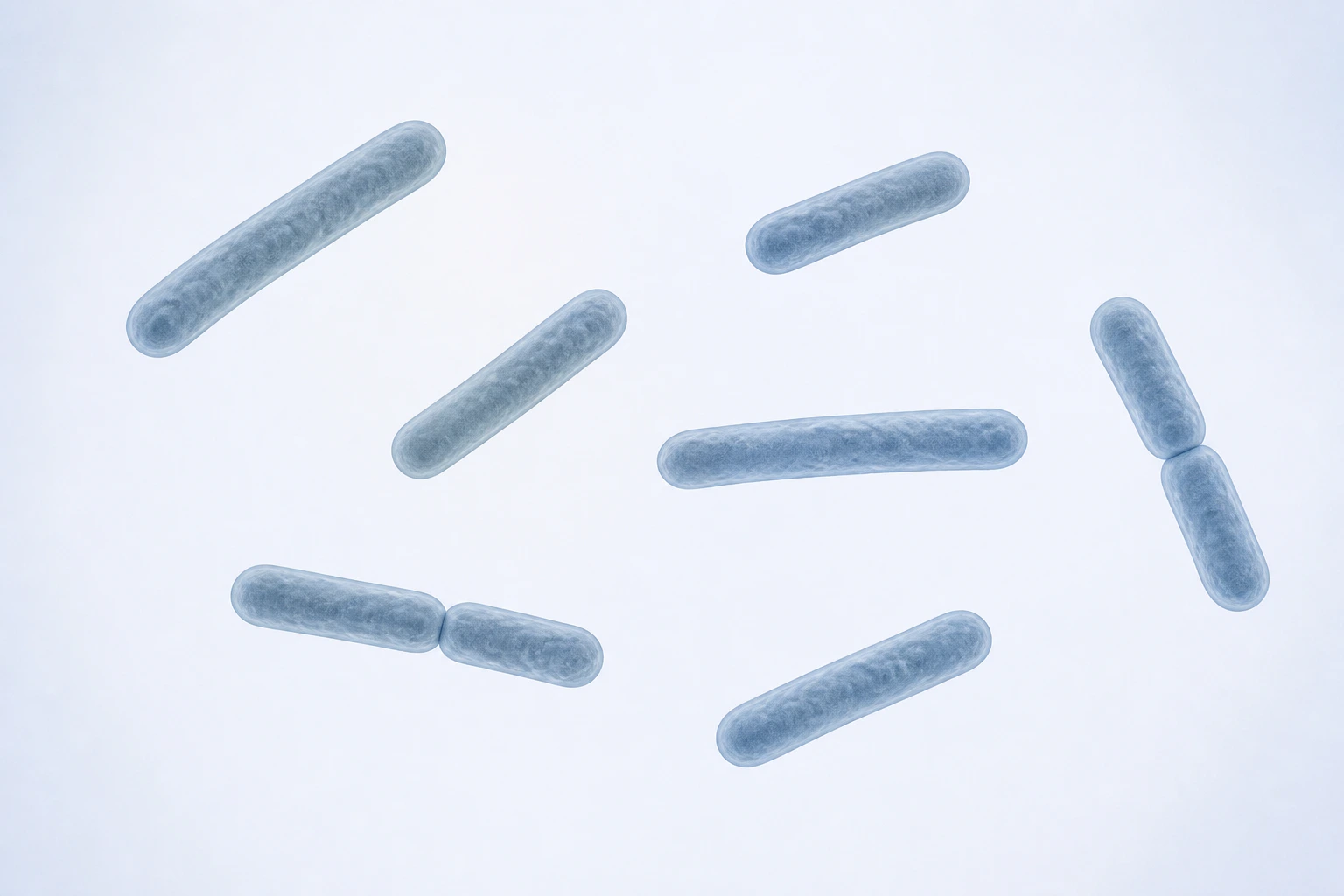
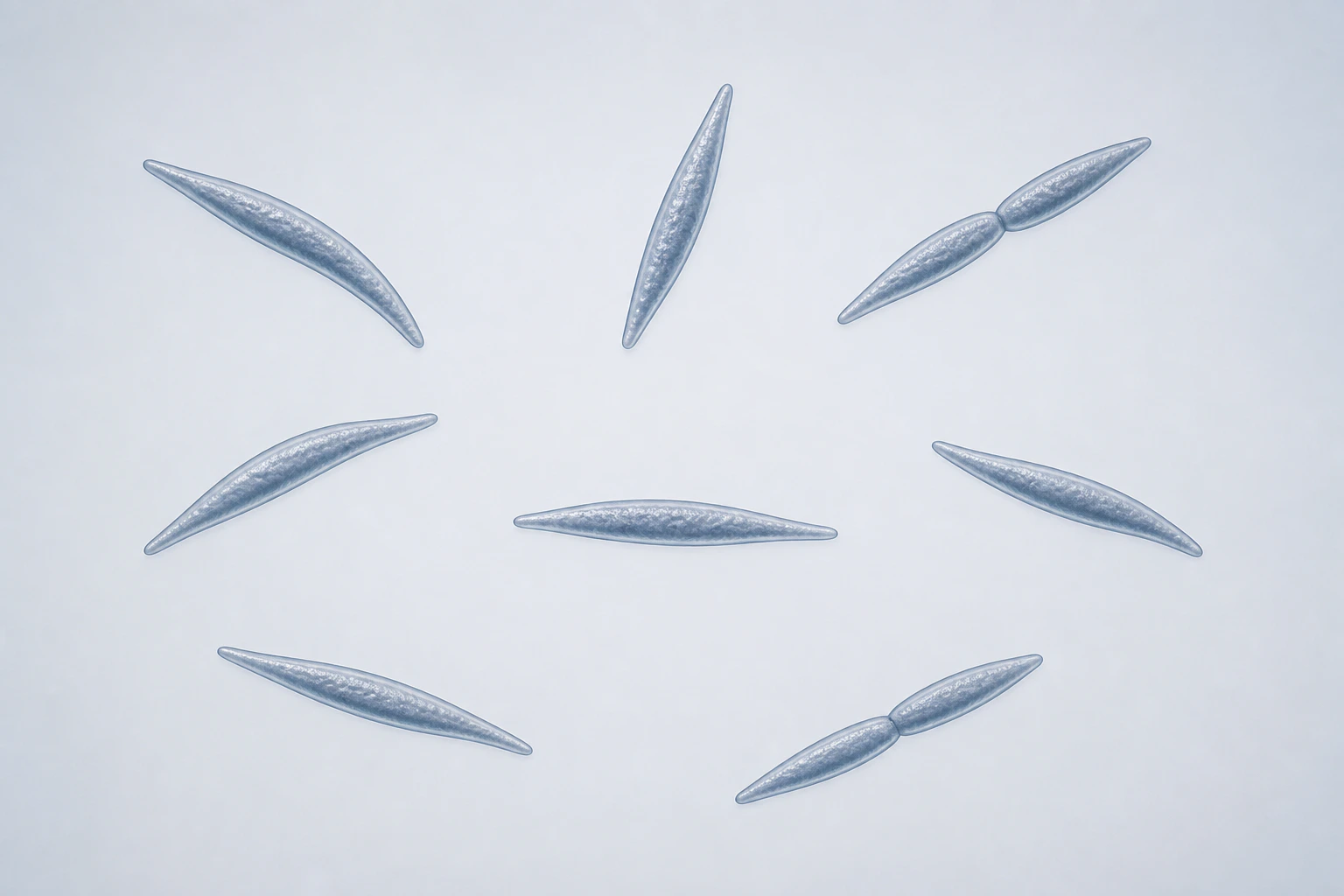
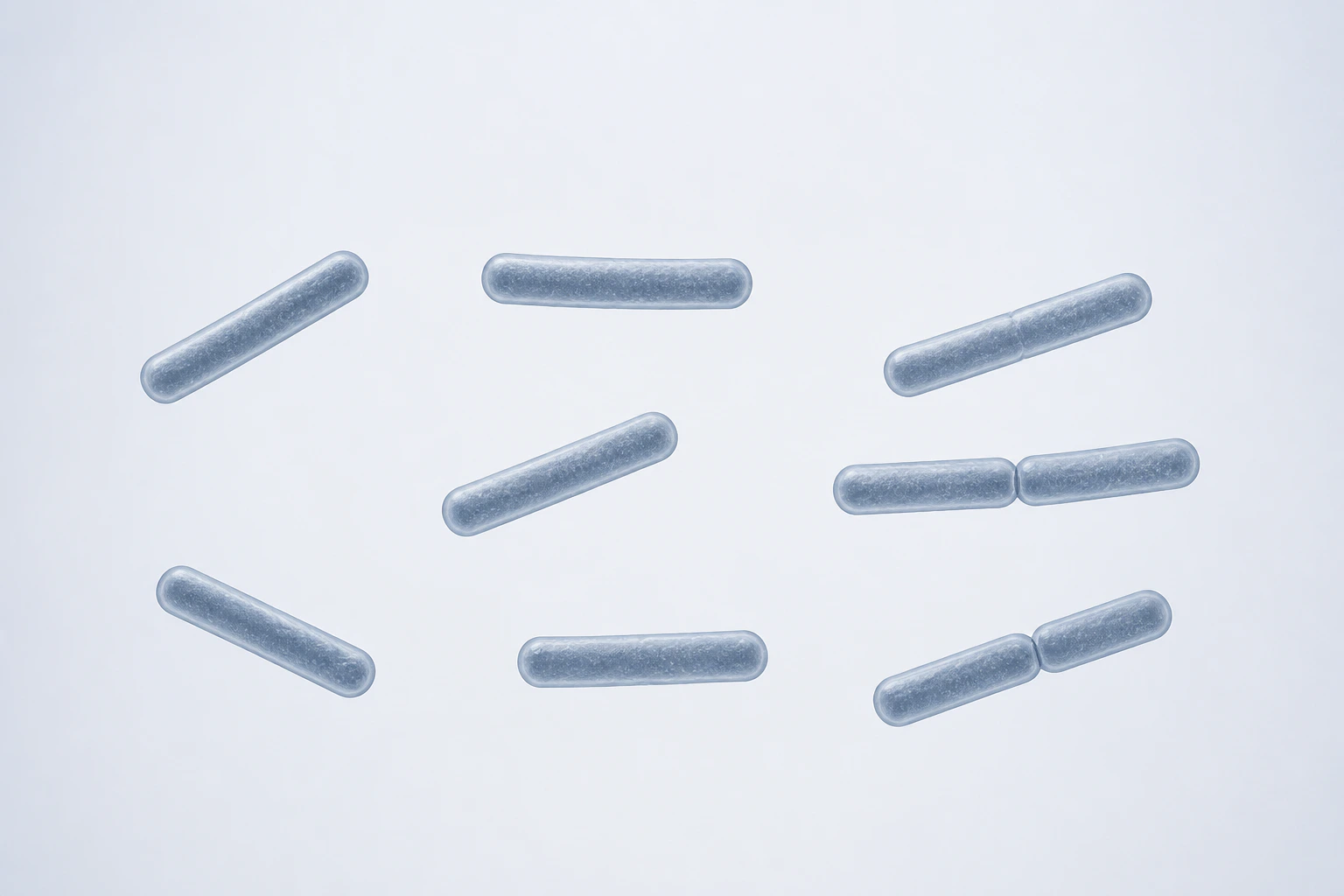
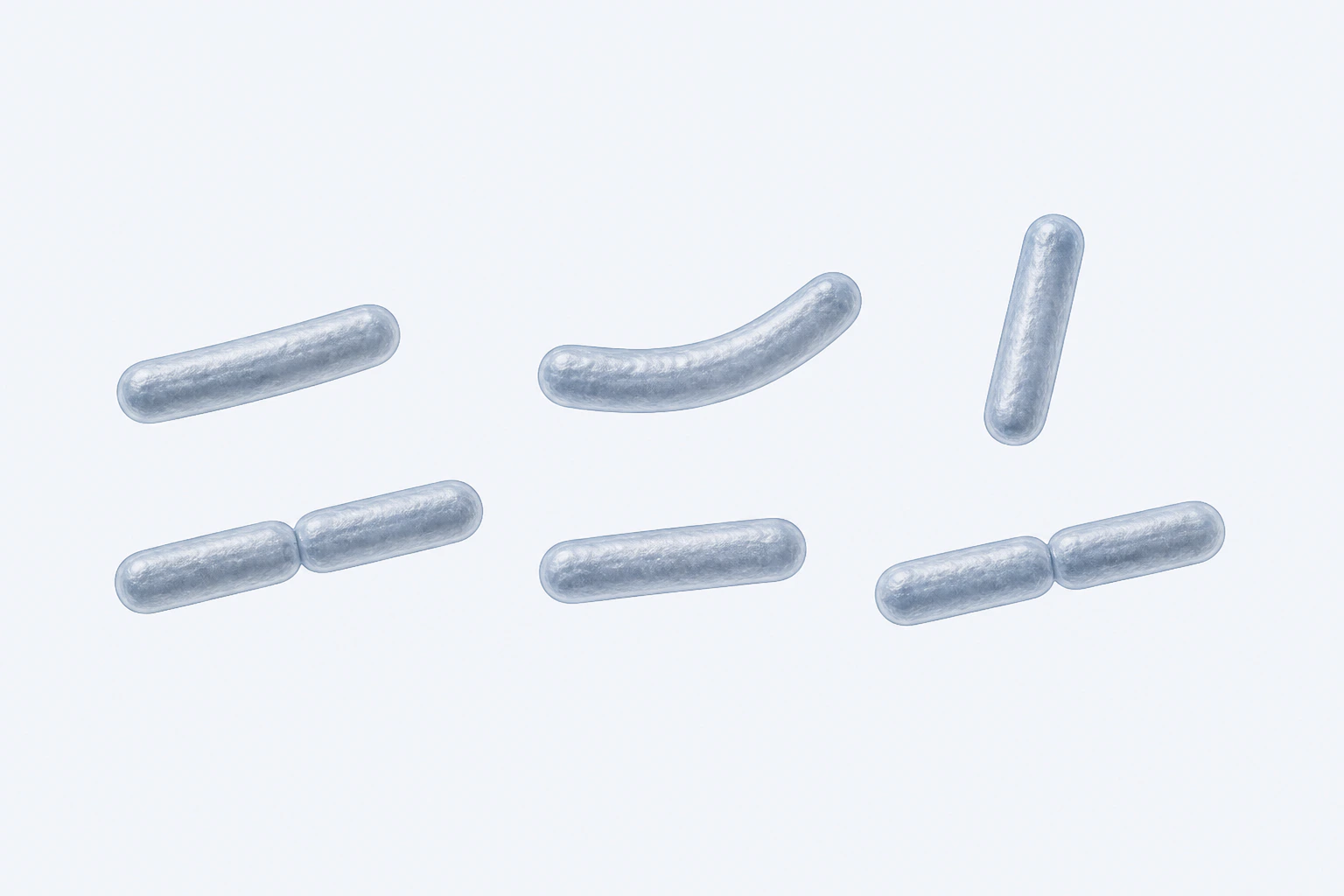
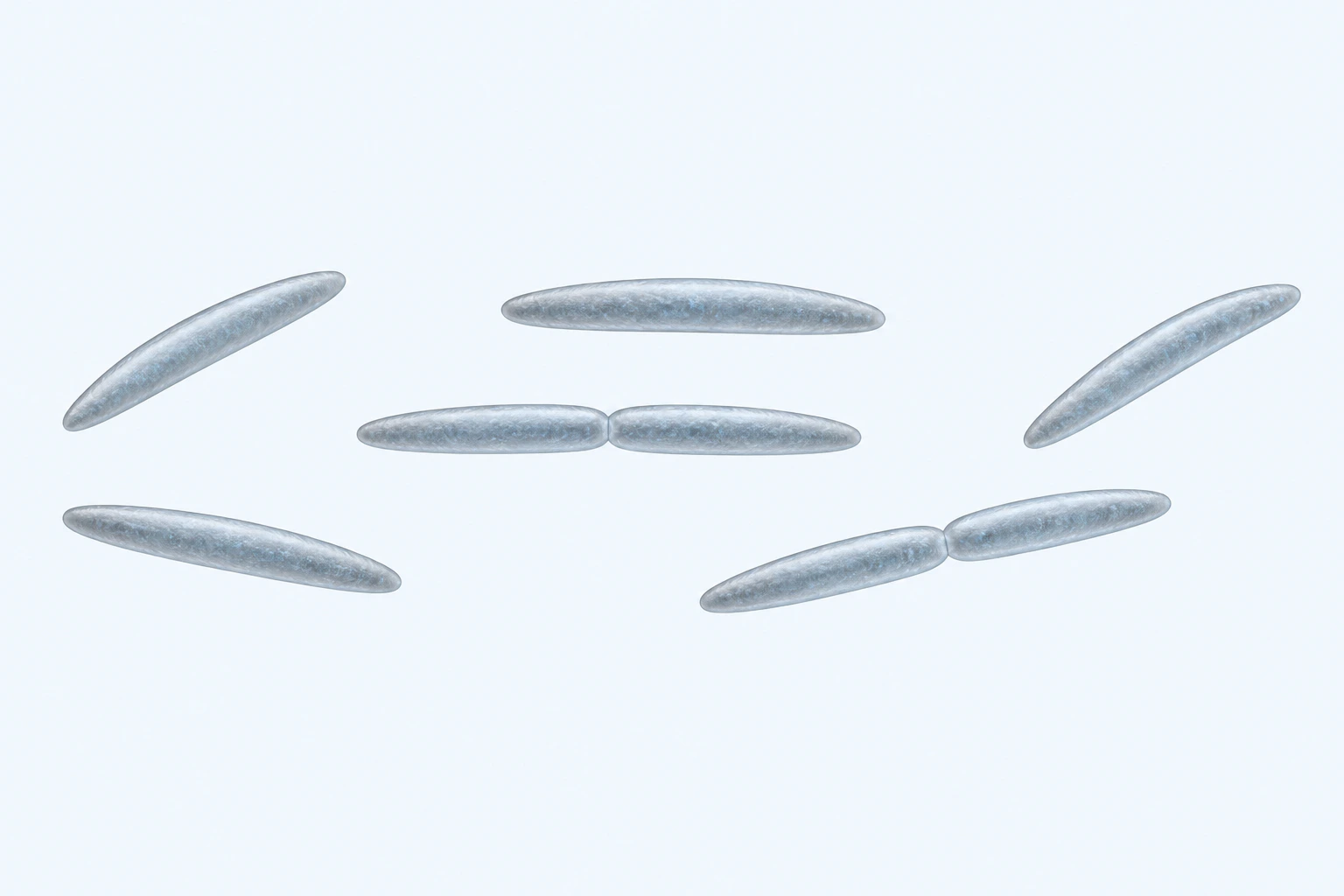
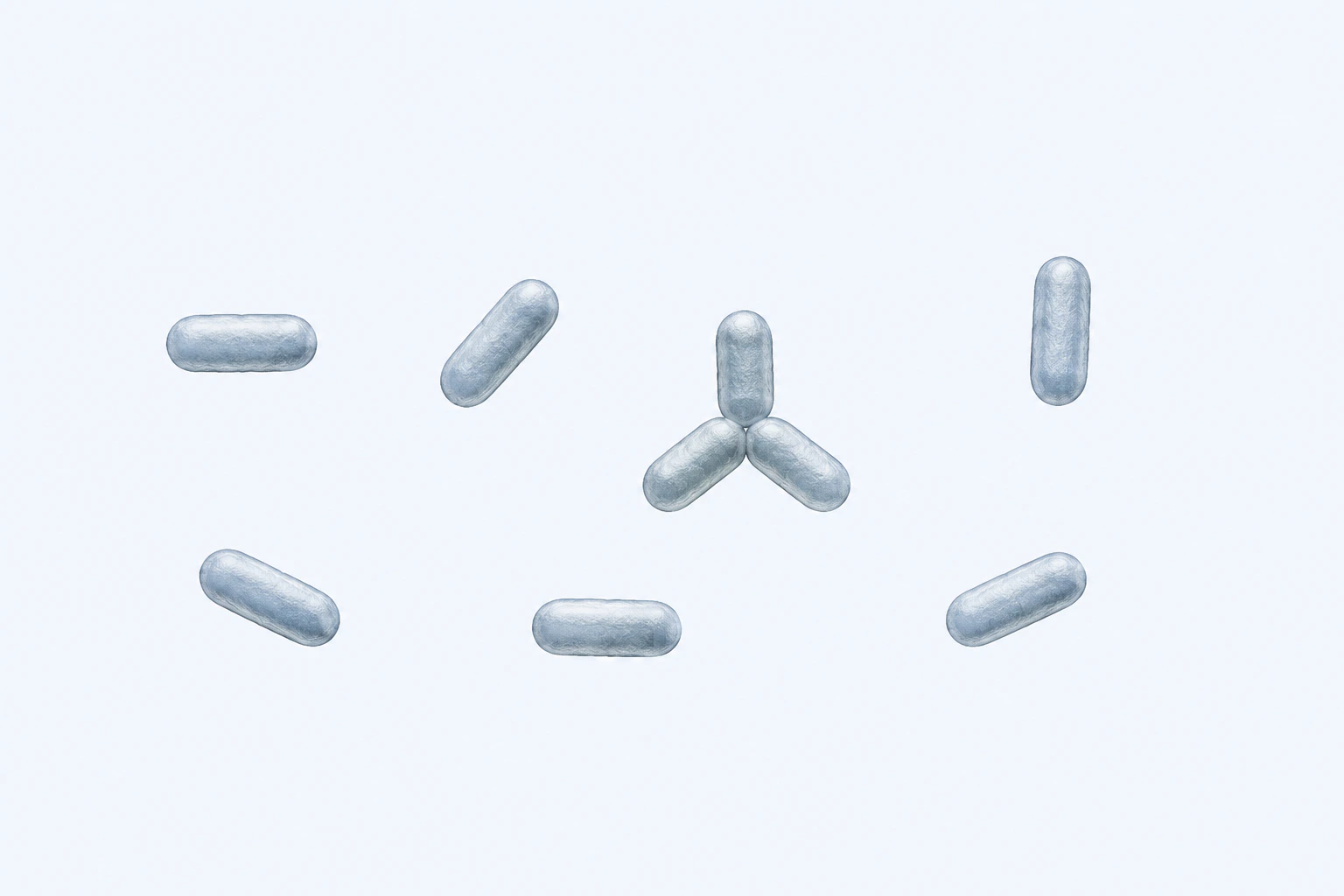
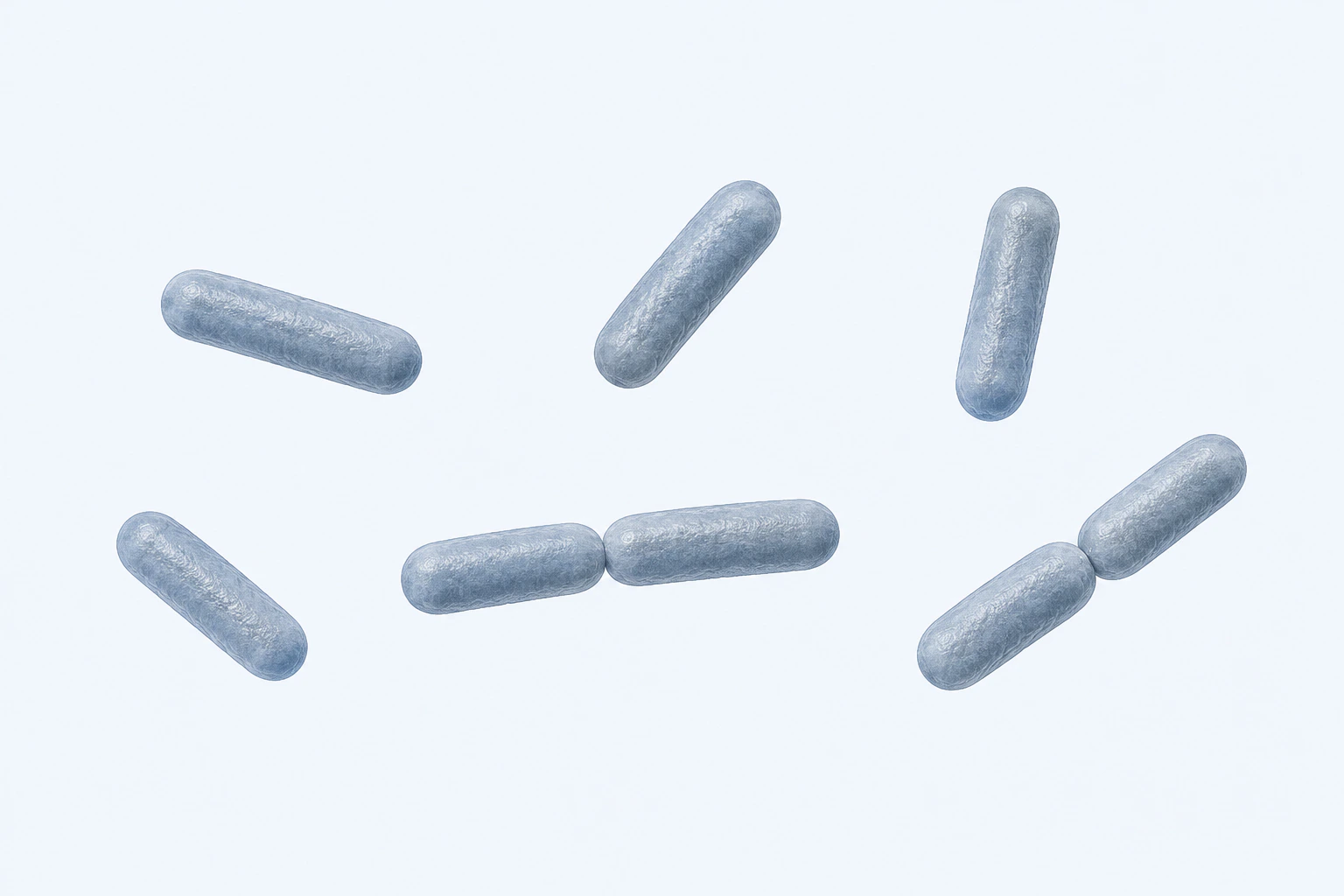
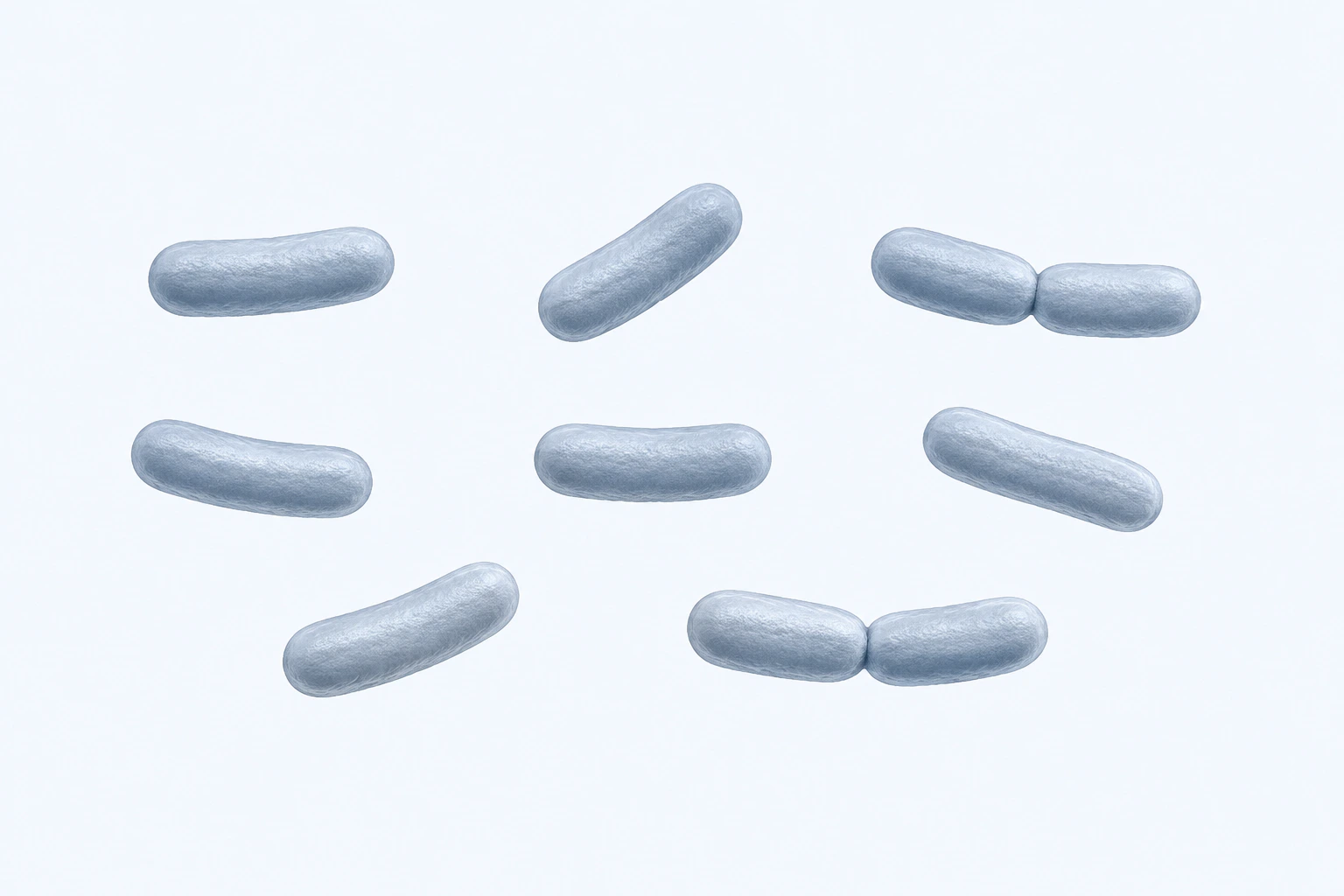
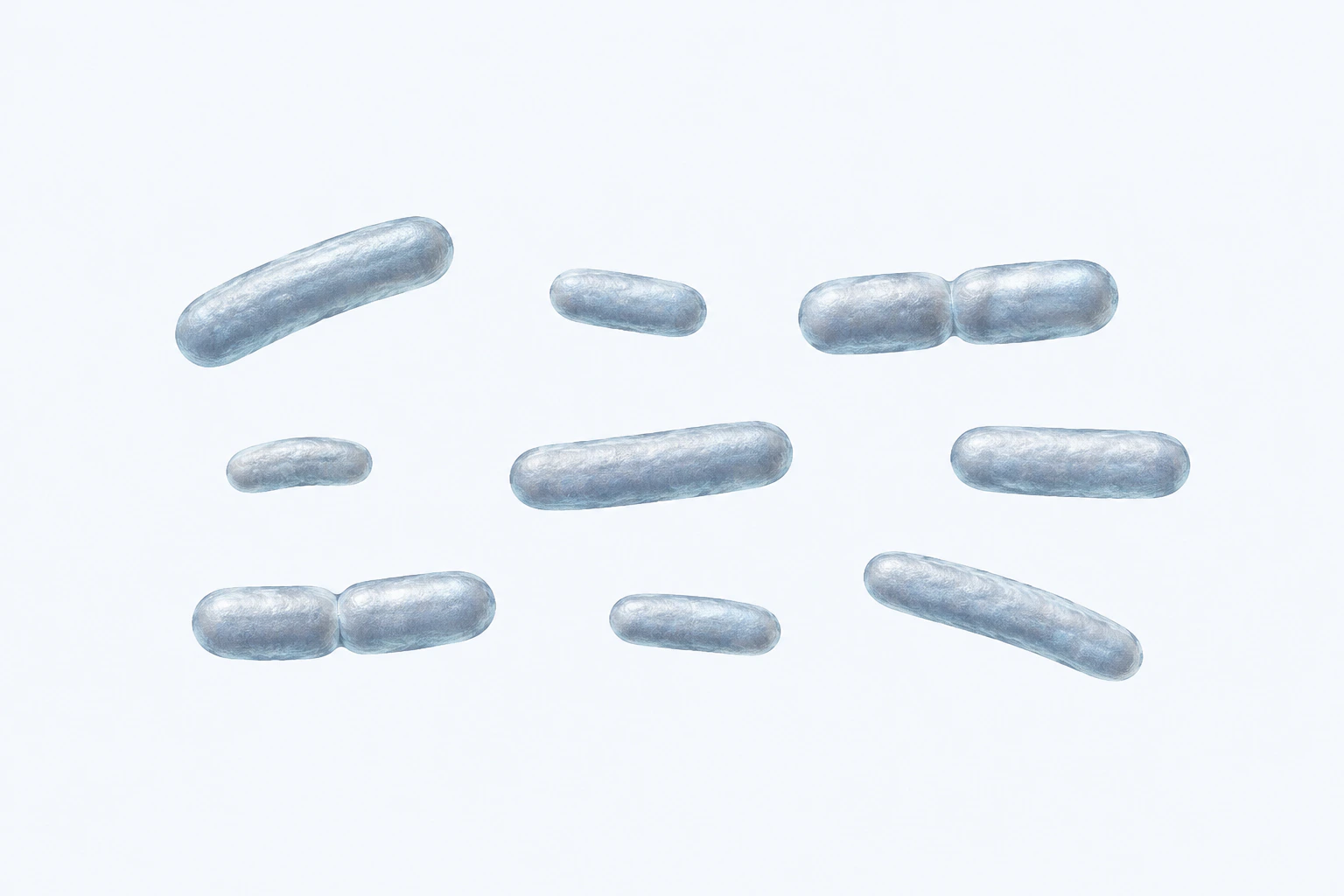
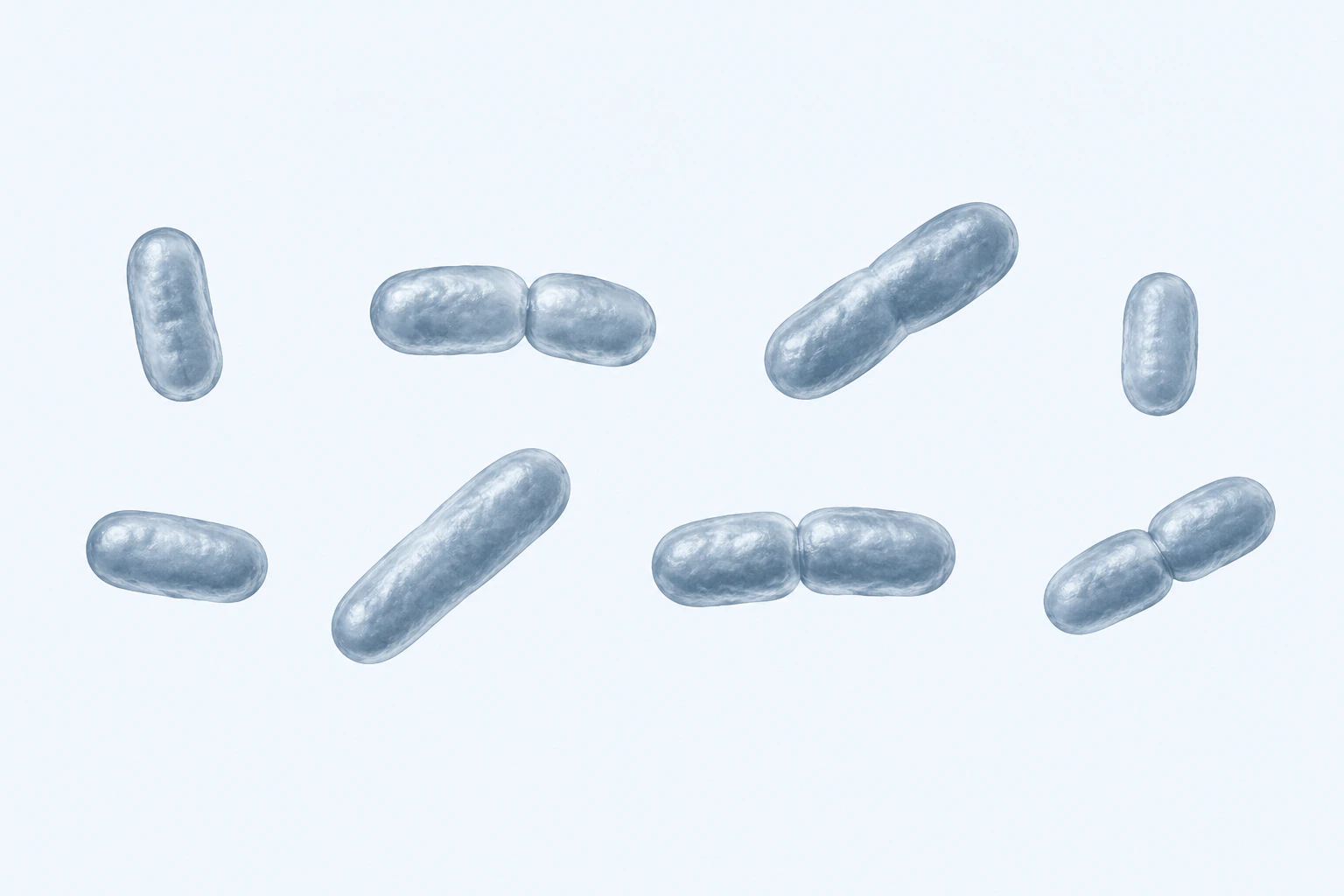
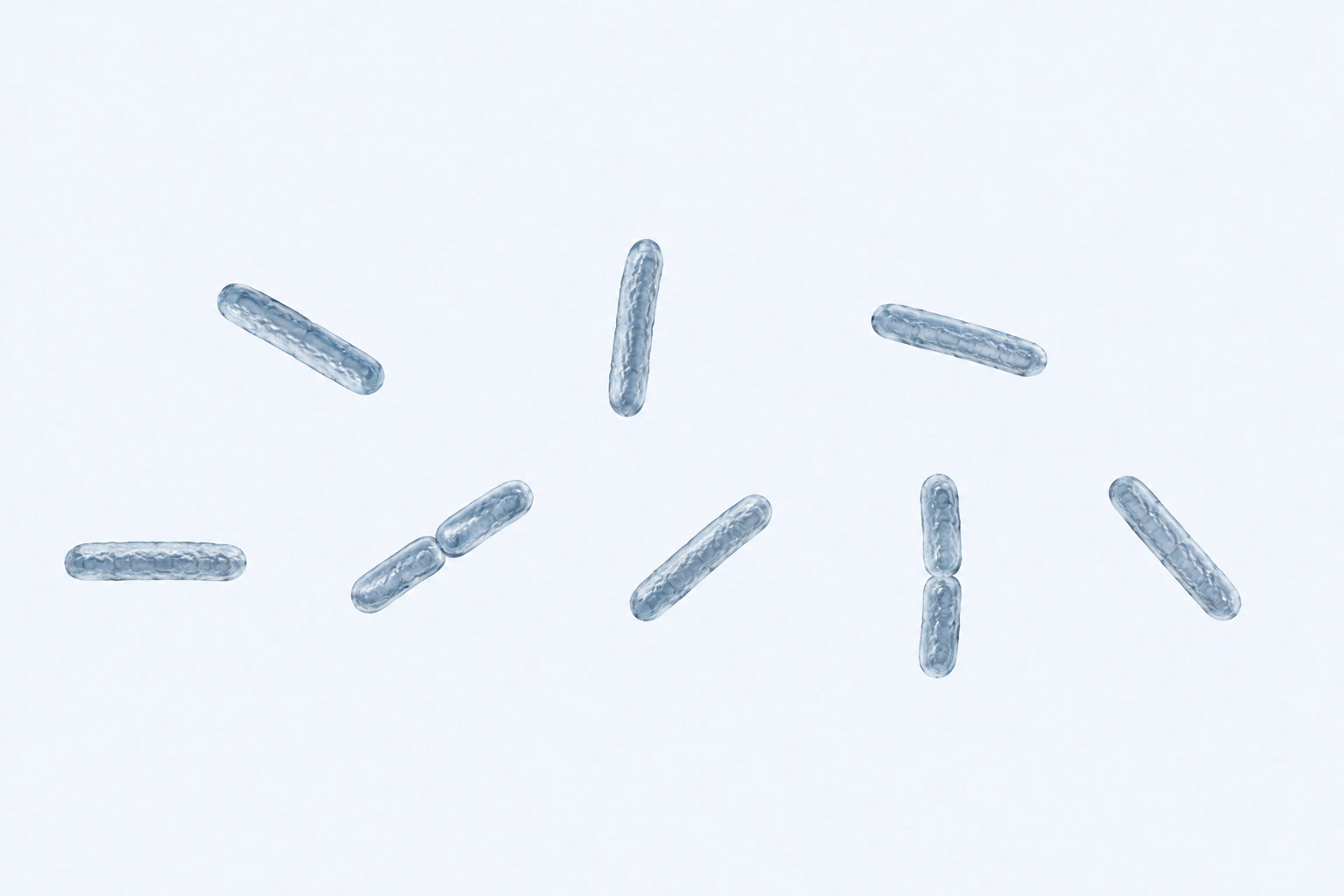
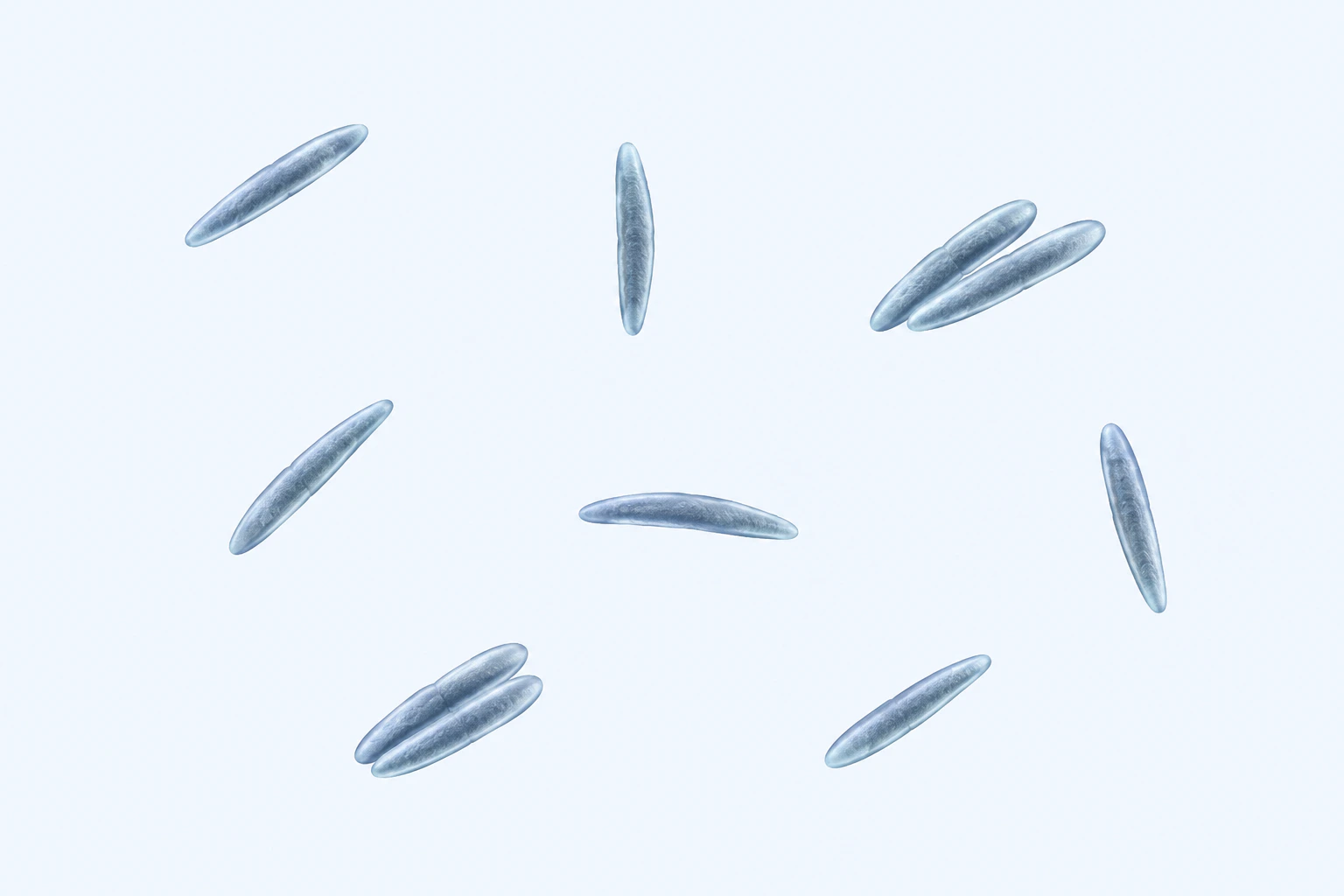
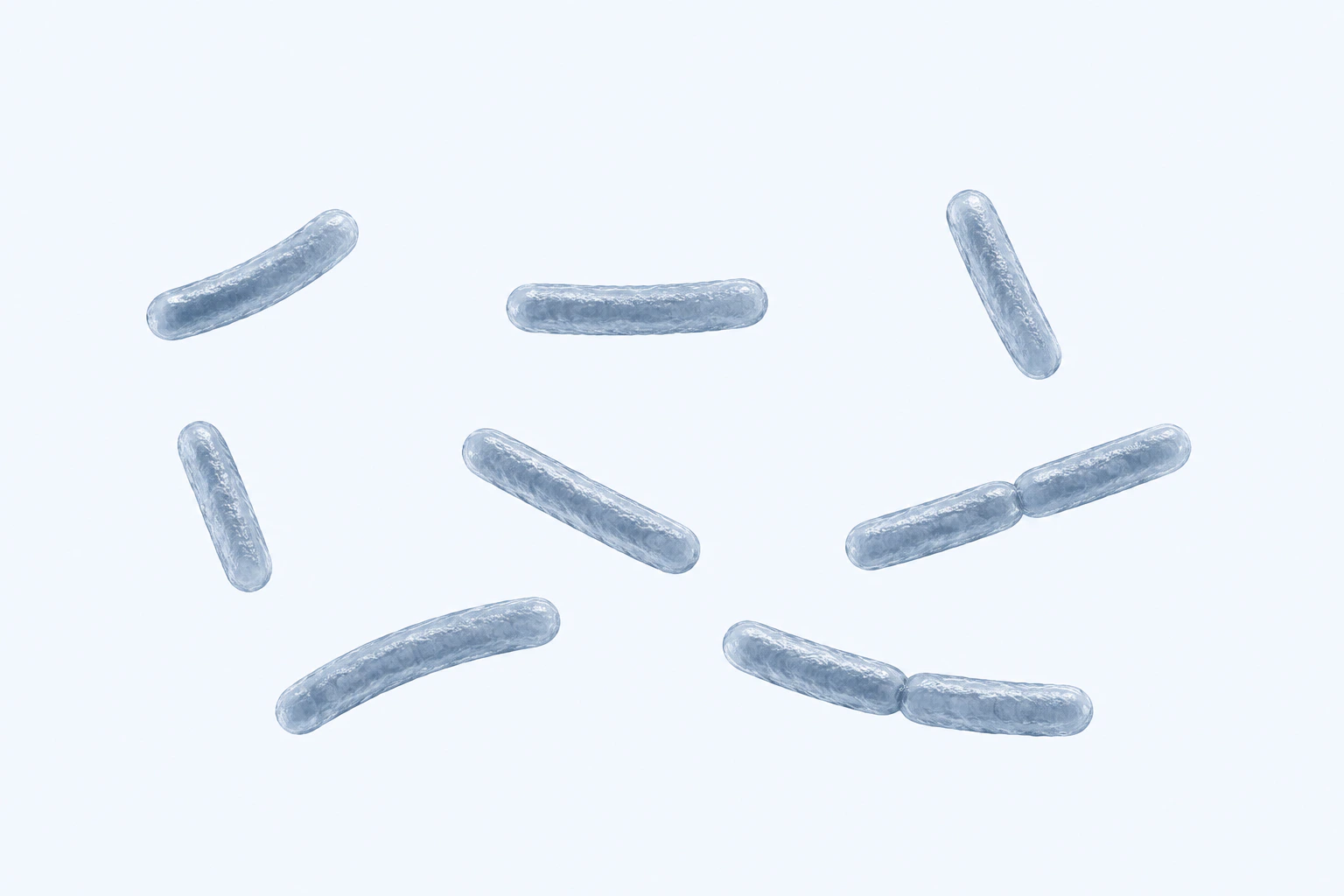
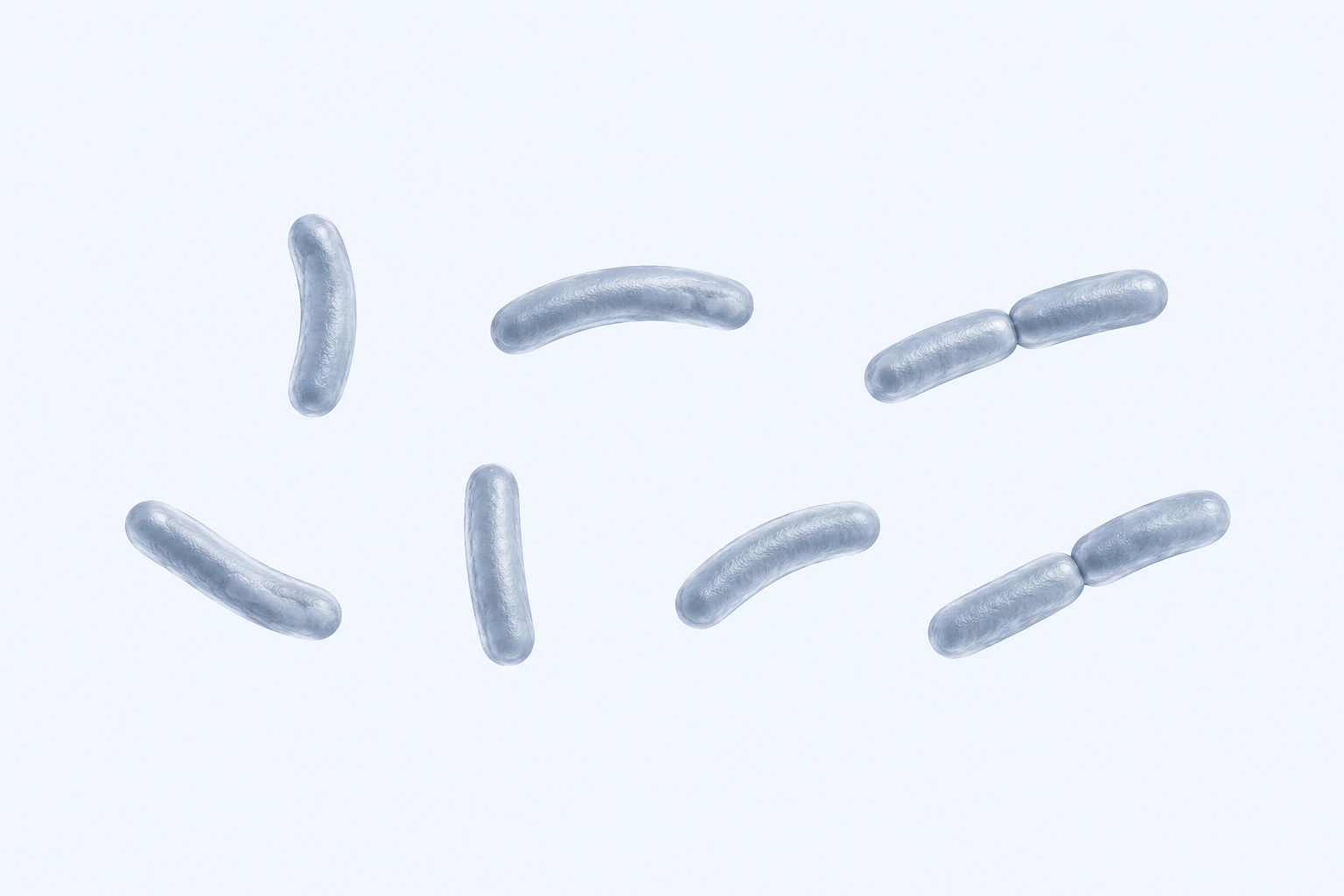
Eleven selected Lachnobacterium slender rods appear in eight groupings: five singles and three touching end-to-end pairs.
Microorganisms8 sources

Lachnobacterium

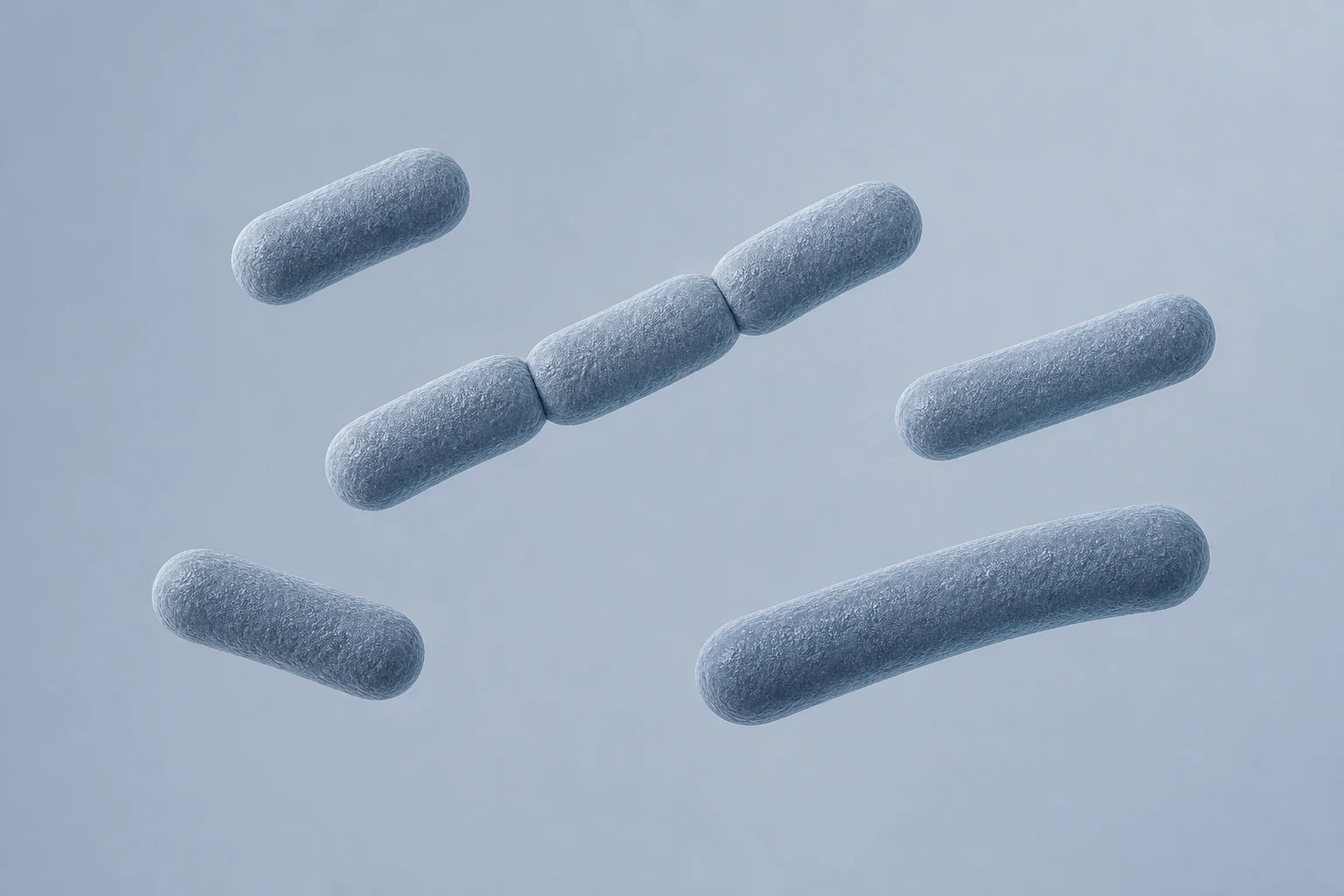
Lachnobacterium is a genus of Gram-positive, obligate anaerobic bacteria within the family Lachnospiraceae (phylum Firmicutes). It is a commensal member of the healthy human gut microbiota, though relatively understudied compared to other Lachnospiraceae genera. Lachnob

M
O
P
R
S