WikiBiomeThe human microbiome encyclopedia
WikiBiome/Search: “intracellular”
Encyclopedia search

Search: “intracellular”

Ranked matches across titles, topics, categories, and article introductions.

31 records in this view
A
B
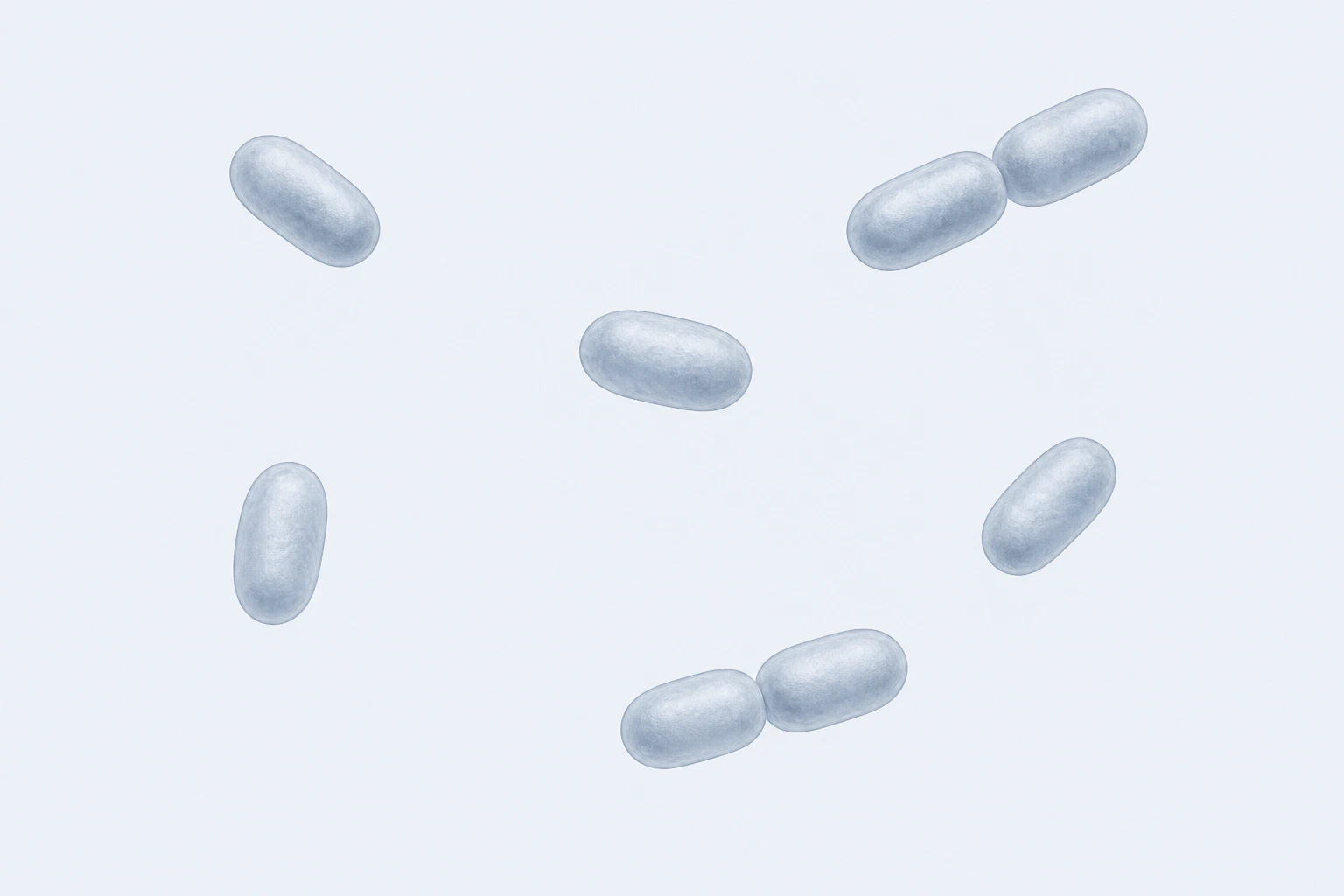
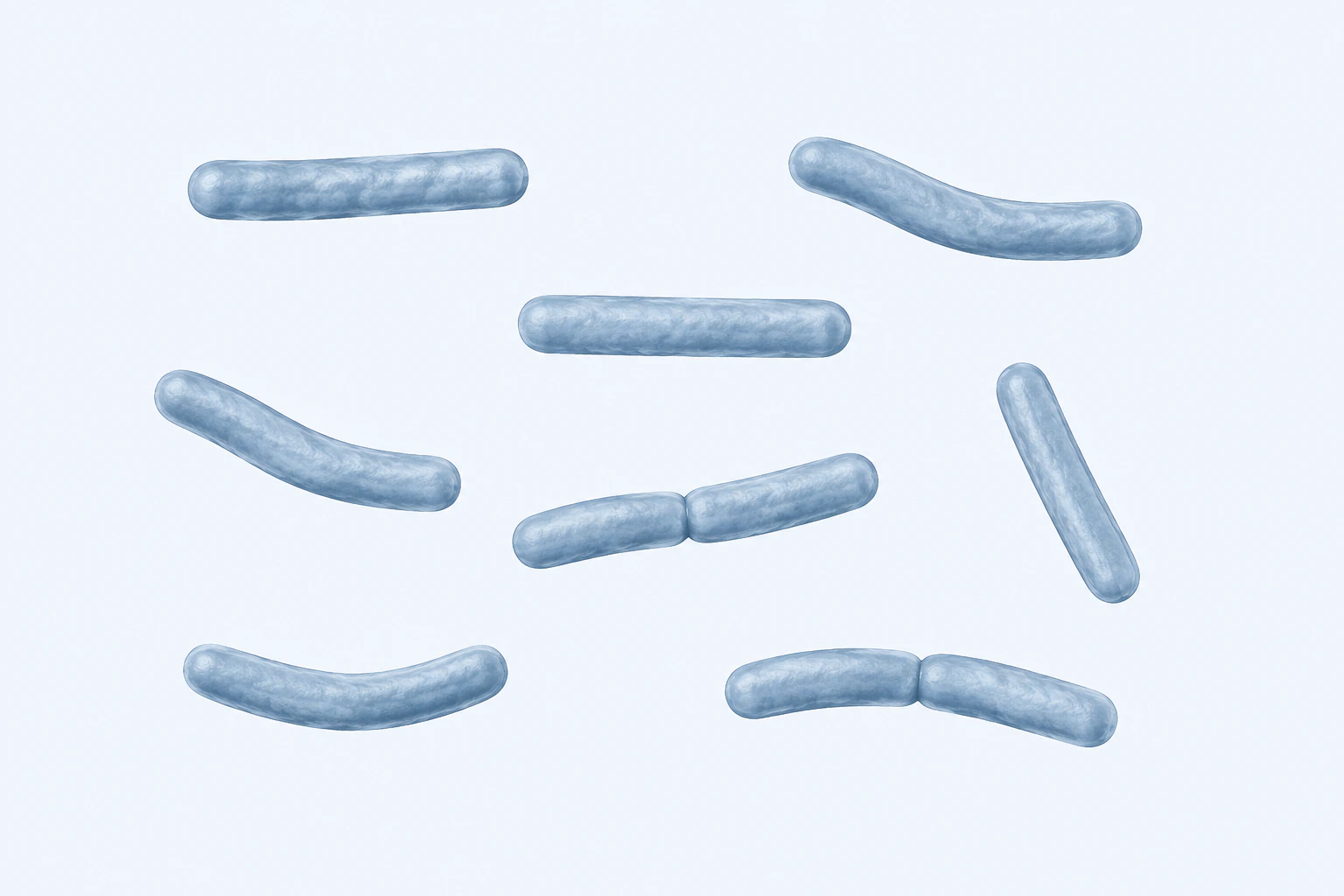
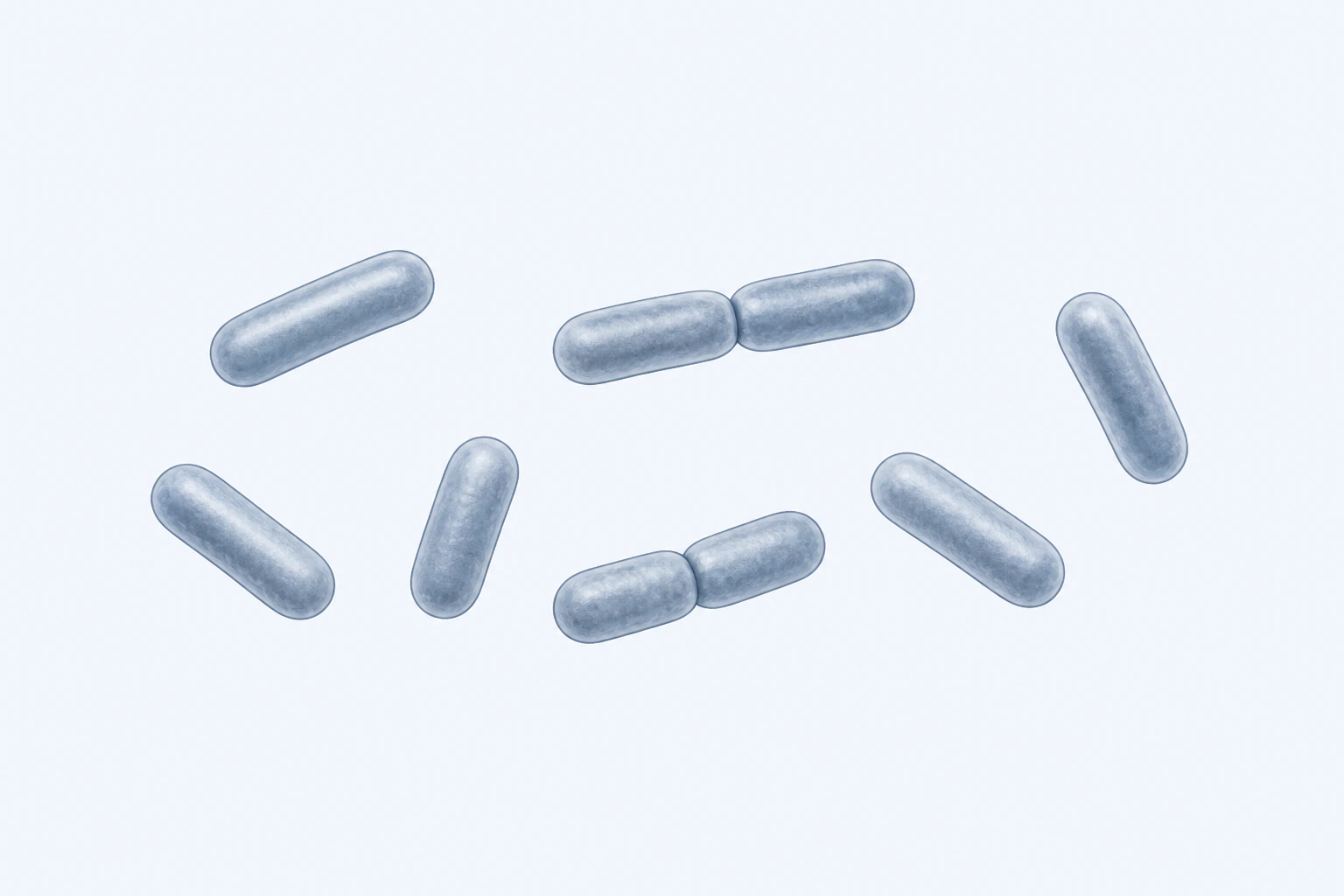
Eight plump Brucella coccobacillary bodies appear in six groupings: four singles and two touching pairs, each oval to very short and longer than wide.
Microorganisms1 sources

Brucella

A genus of Gram-negative intracellular pathogens causing brucellosis, the most common bacterial zoonosis worldwide. Brucella species depend on nickel-activated urease for gastrointestinal survival during the initial phase of infection, and urease immunization has been s

C
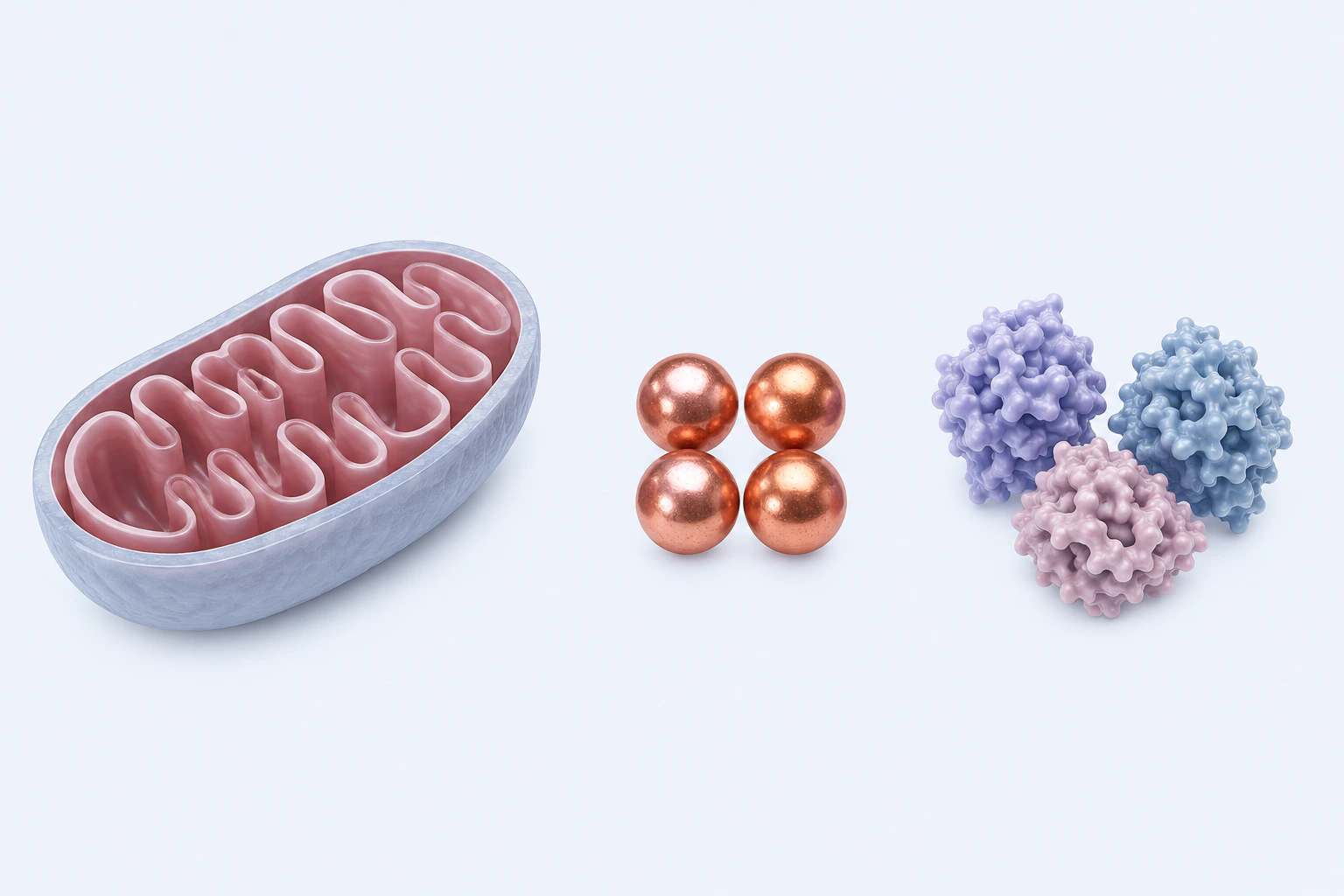
A generic mitochondrion-like cutaway appears separately from four copper-colored spheres and three folded protein-like forms.
Mechanisms4 sources

Cuproptosis

A distinct form of regulated cell death caused by excess intracellular copper binding to lipoylated proteins in the TCA cycle, first characterized by Tsvetkov et al. in Science (2022). Unlike ferroptosis (iron-dependent lipid peroxidation) or apoptosis (caspase-dependen

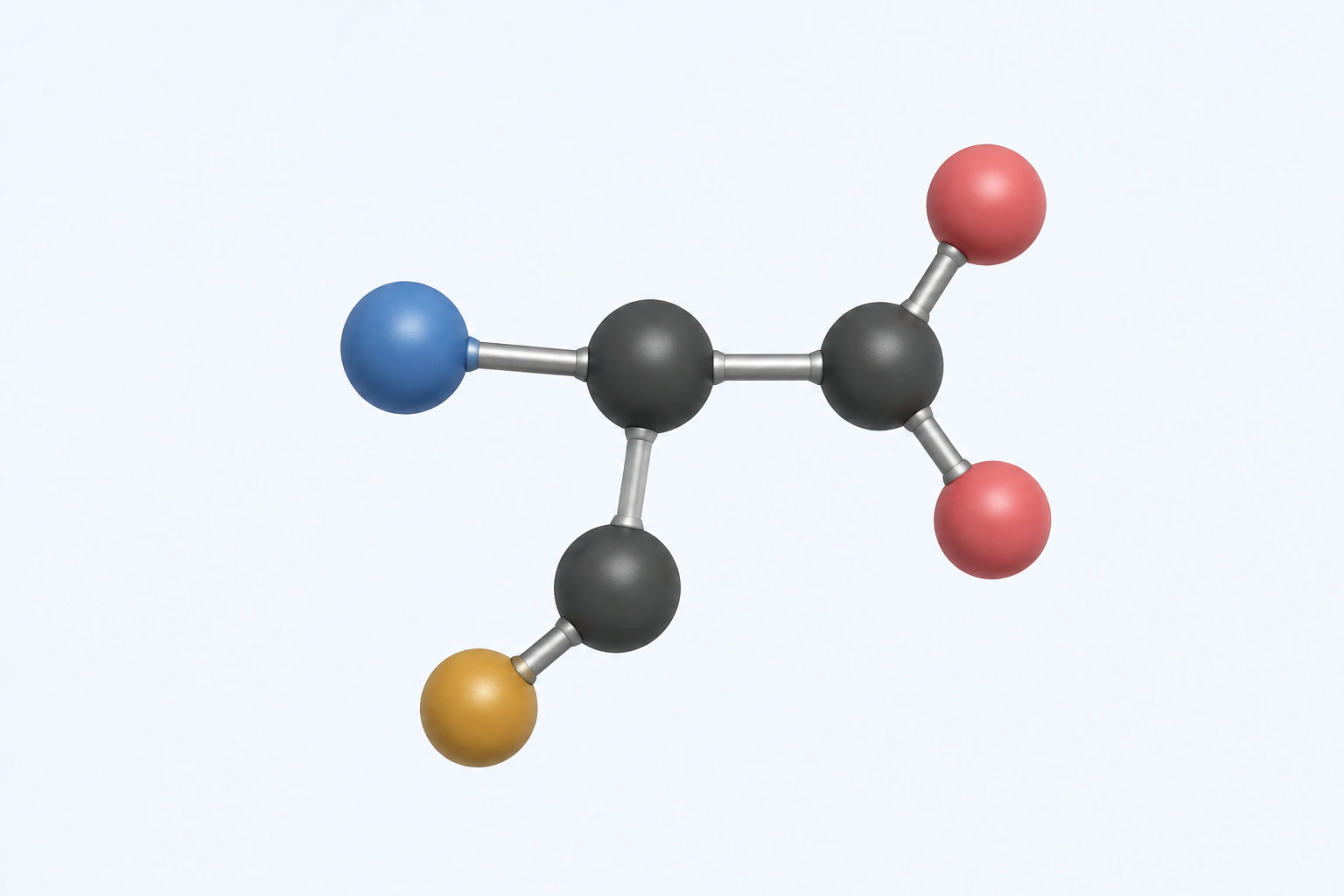
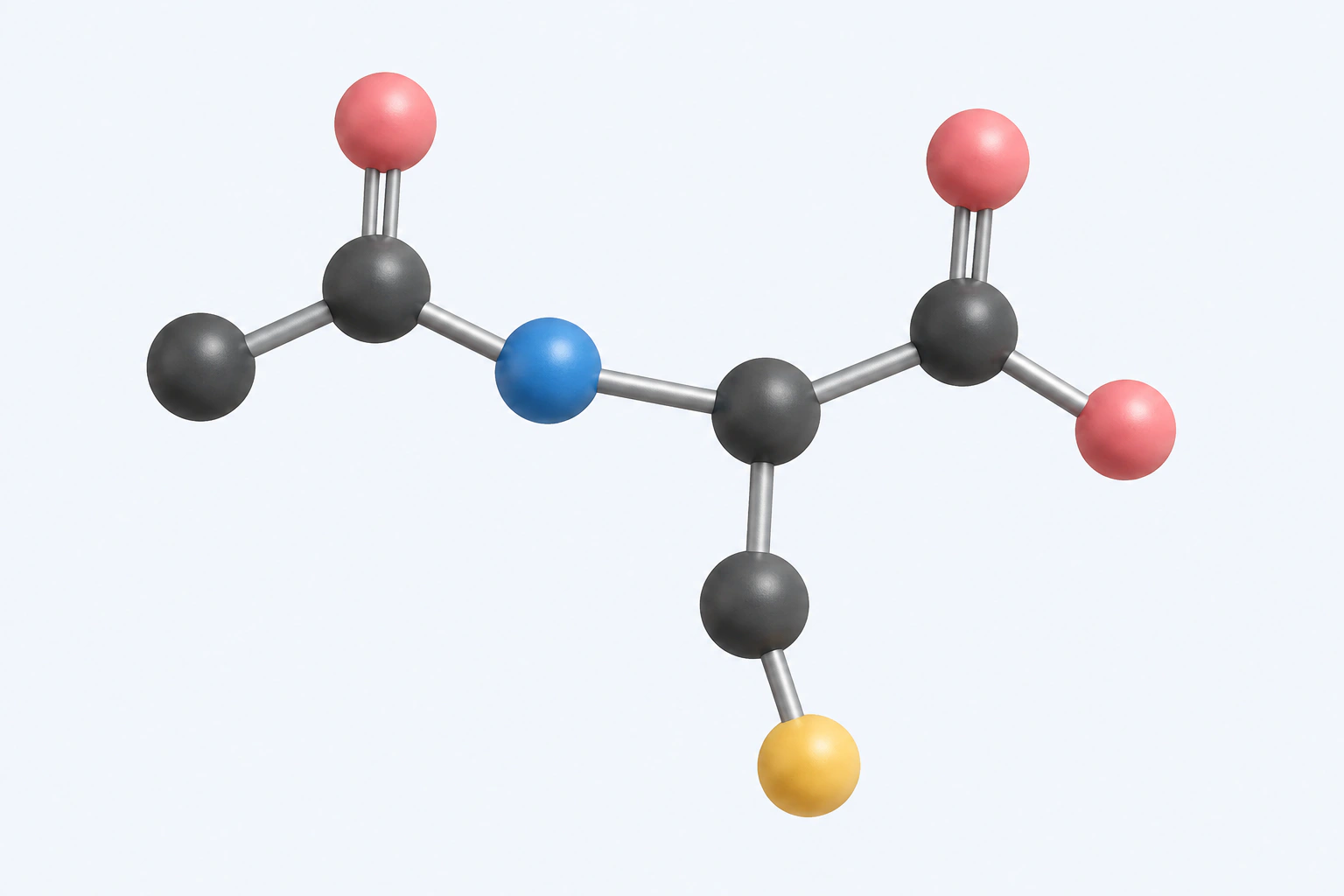
Single heavy-atom connectivity model of L-cysteine with three carbon centers, one nitrogen center, two oxygen centers, and one sulfur center.
Host defenses4 sources

Cysteine

Cysteine is a sulfur-containing amino acid whose thiol (-SH) group makes it the primary metal-binding residue in biology. It is the rate-limiting precursor for glutathione (the master intracellular antioxidant), a key residue in metallothioneins (metal-binding proteins)

F
G
Reference0 sources

Glossary

Alphabetical definitions of specialist terms used throughout this wiki. Where a full concept page exists, the term links to it. --- AhR (aryl hydrocarbon receptor) -- A ligand-activated transcription factor that senses microbial metabolites (especially indoles from tryp

H
I
L
M
Host defenses3 sources

Metal Homeostasis

The biological processes by which organisms maintain proper intracellular and systemic concentrations of essential metals -- importing what is needed, storing excess safely, and exporting or sequestering surplus. Both host and microbial systems have evolved elaborate me

Mechanisms8 sources

Metal Sensing

Metal sensing is the set of regulatory mechanisms bacteria use to detect intracellular metal concentrations and adjust gene expression accordingly. Because metal ions cannot be synthesized or degraded -- only imported, exported, sequestered, or trafficked -- sensing and

N
P
S
T
Z