
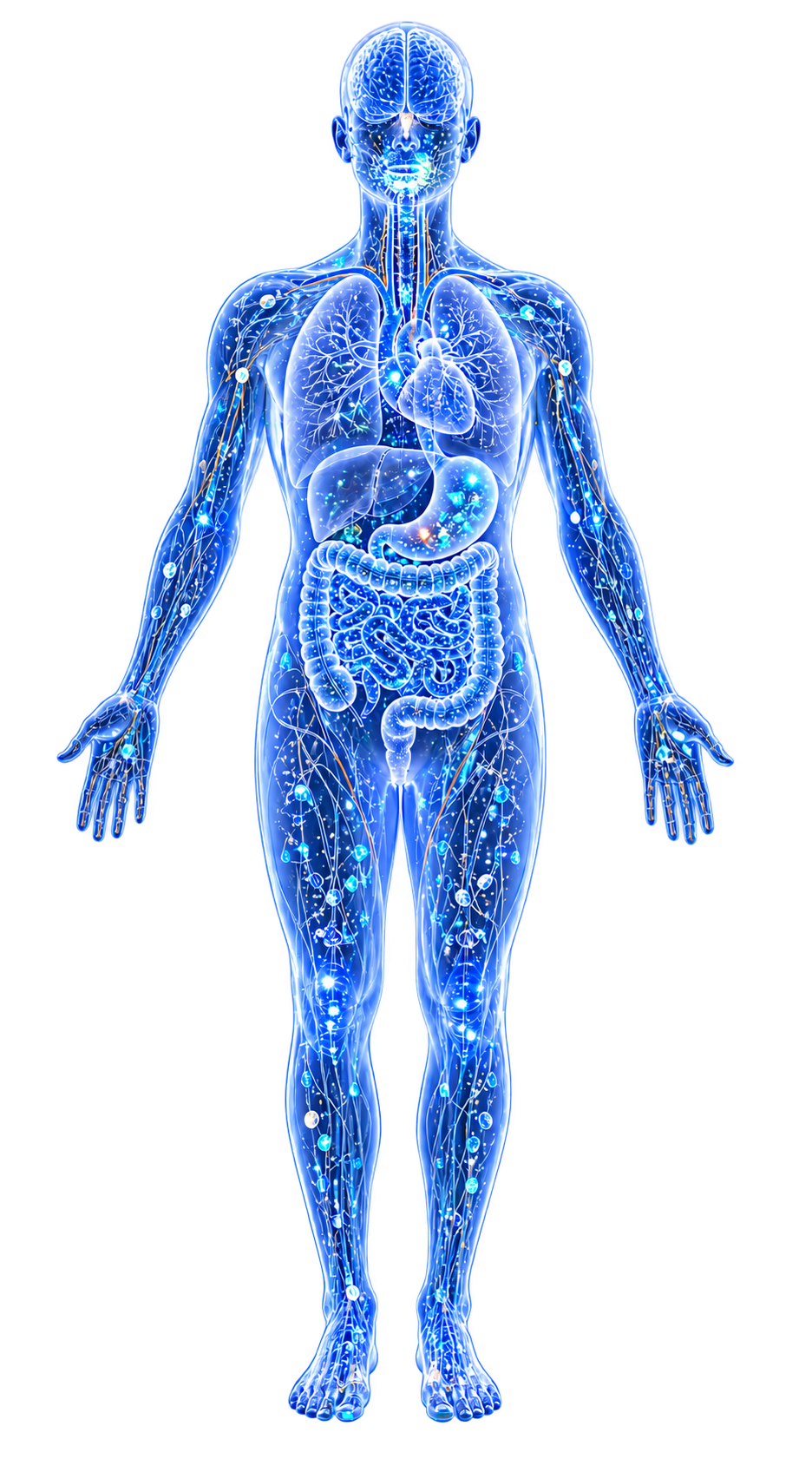
Zinc supplementation addresses the functional zinc deficiency in ASD caused by toxic metal displacement at binding sites. Lead, mercury, and cadmium enter cells via calcium channels and displace zinc from critical enzymes and structural proteins (Primitive 3: mis-metallation).
Mechanism#
Competitive displacement: Supplemental zinc(II) (Zn2+) competes with lead(II) (Pb2+), mercury(II) (Hg2+), and cadmium(II) (Cd2+) for metallothionein and enzyme binding sites (Primitive 4: metal dependencies as Achilles' heels). Barrier restoration: Zinc-dependent tight junction proteins (claudins, occludin) are restored, reducing intestinal permeability. Immune modulation: Zinc is required for thymulin activity and T-cell maturation.
Metallothionein induction: Zinc supplementation upregulates metallothionein, which sequesters toxic metals.
Clinical Evidence#
copper (Cu)/zinc (Zn) ratio normalized in ASD children with GI symptoms after supplementation. Zinc deficiency prevalence is elevated across multiple ASD cohorts. ASD+GI subgroup shows the strongest response, consistent with barrier dysfunction as a mediating mechanism.
Clinical Considerations#
- Monitor copper (Cu)/zinc (Zn) ratio to avoid copper depletion with prolonged supplementation
- ASD+GI phenotype may be the best responder subgroup
- Combine with toxic metal exposure reduction for maximum benefit
Cross-References#
Article network
Connect the evidence
Publicly readable discussion by ORCID-authenticated researchers. Questions, interpretation, methods, corrections, and new evidence stay attached to this record.
No discussion yet. Start with a precise question or a source-backed observation.
Activity and accepted changes
Accepted researcher context, editorial status, public discussion, and upstream Git revisions are shown together. Pending, declined, and withdrawn proposals remain private.
- published revision
Deepen metal/concept entities + 8 new sources for T1D/schizophrenia
WikiBiome Deploy Bot · +60 −0
Inspect exact Git diff ↗