WikiBiomeThe human microbiome encyclopedia
WikiBiome/Search: “pathogen”
Encyclopedia search

Search: “pathogen”

Ranked matches across titles, topics, categories, and article introductions, filtered to mechanism.

43 records in this view
A
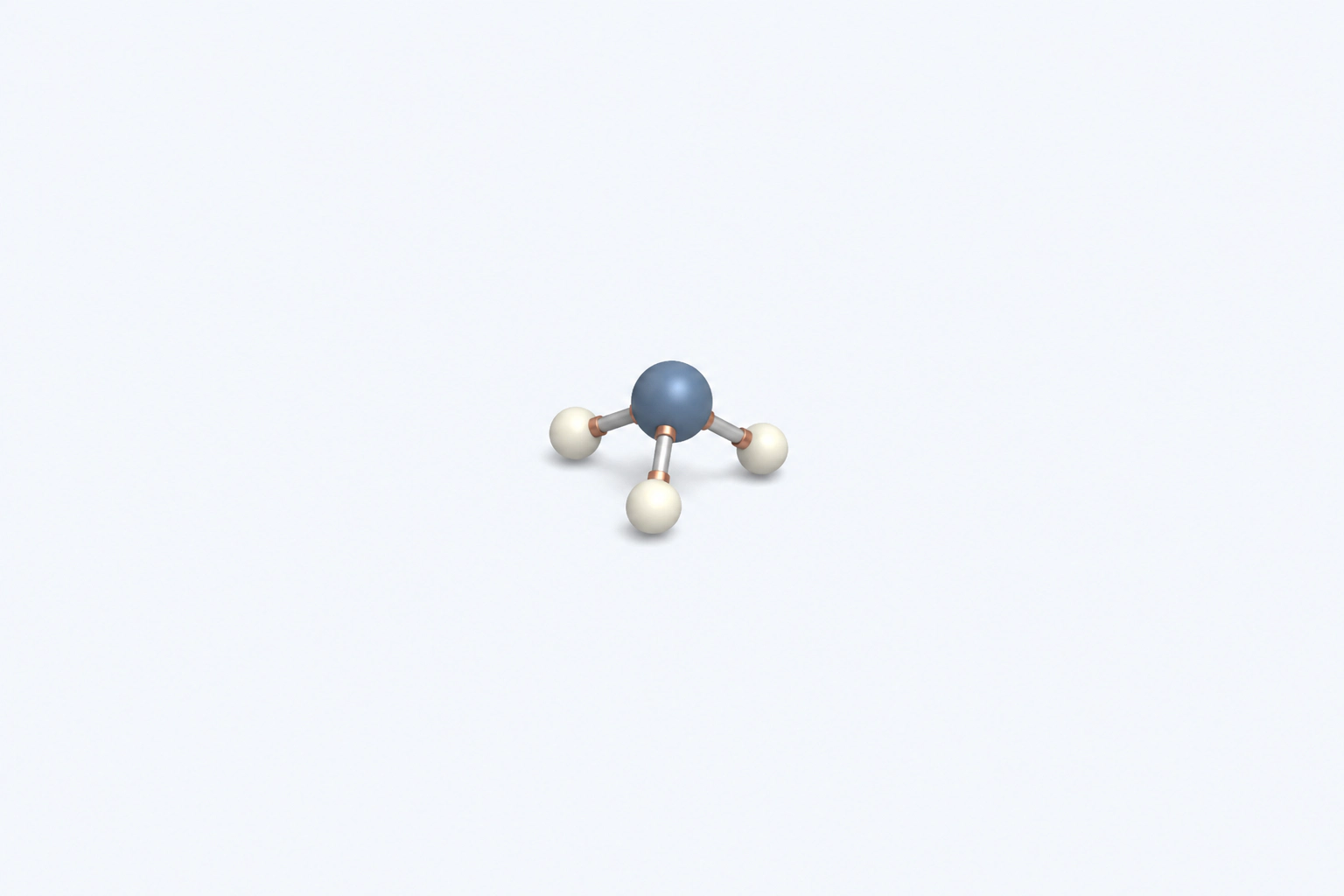
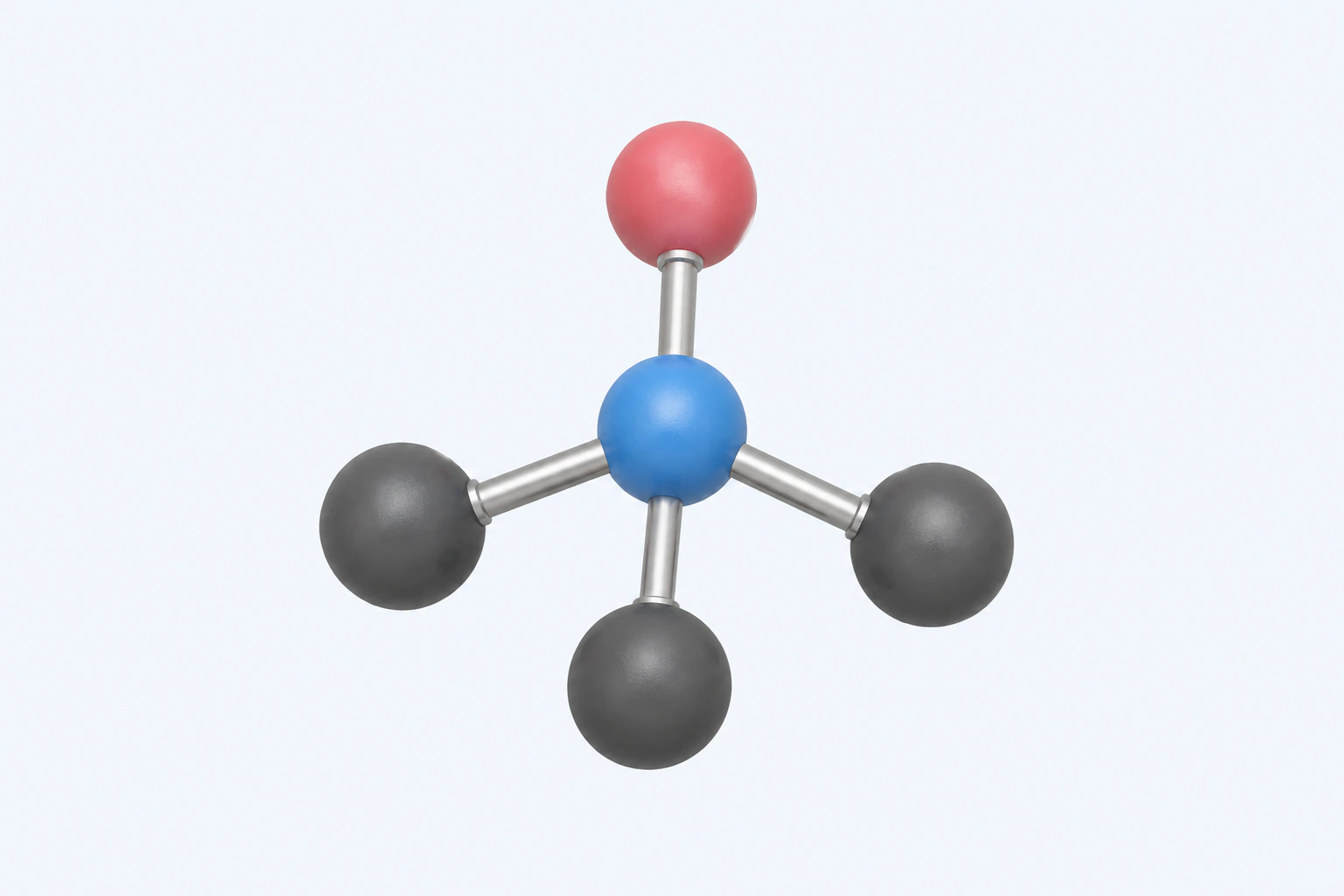
A compact trigonal-pyramidal ammonia teaching model shows one central nitrogen sphere connected to three hydrogen spheres.
Mechanisms4 sources

Ammonia

Ammonia is a nitrogen-containing product of microbial urease activity. When urease hydrolyzes urea, ammonia and bicarbonate are produced; in the microbial systems covered by WikiBiome, those products can provide nitrogen and raise local pH maier 2019 nickel microbial pa

B
C
D
F
G
Mechanisms5 sources

Gene Regulation

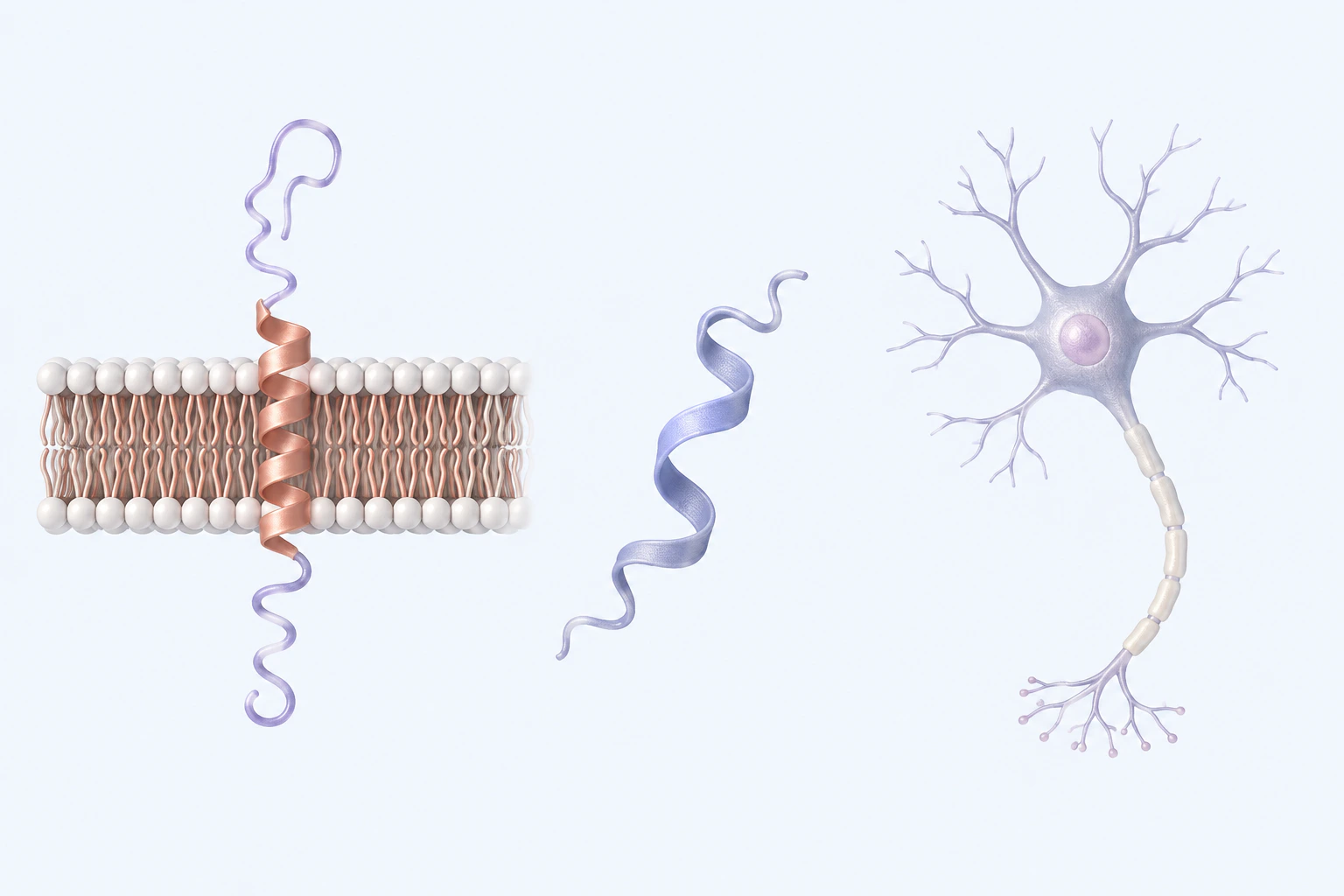
Gene regulation in bacteria is the process by which cells control when and how much of each gene product is made. In the metallomics context, gene regulation is the mechanism by which bacteria respond to the metal environment -- sensing metal availability and adjusting

H
M
Mechanisms8 sources

Metal Sensing

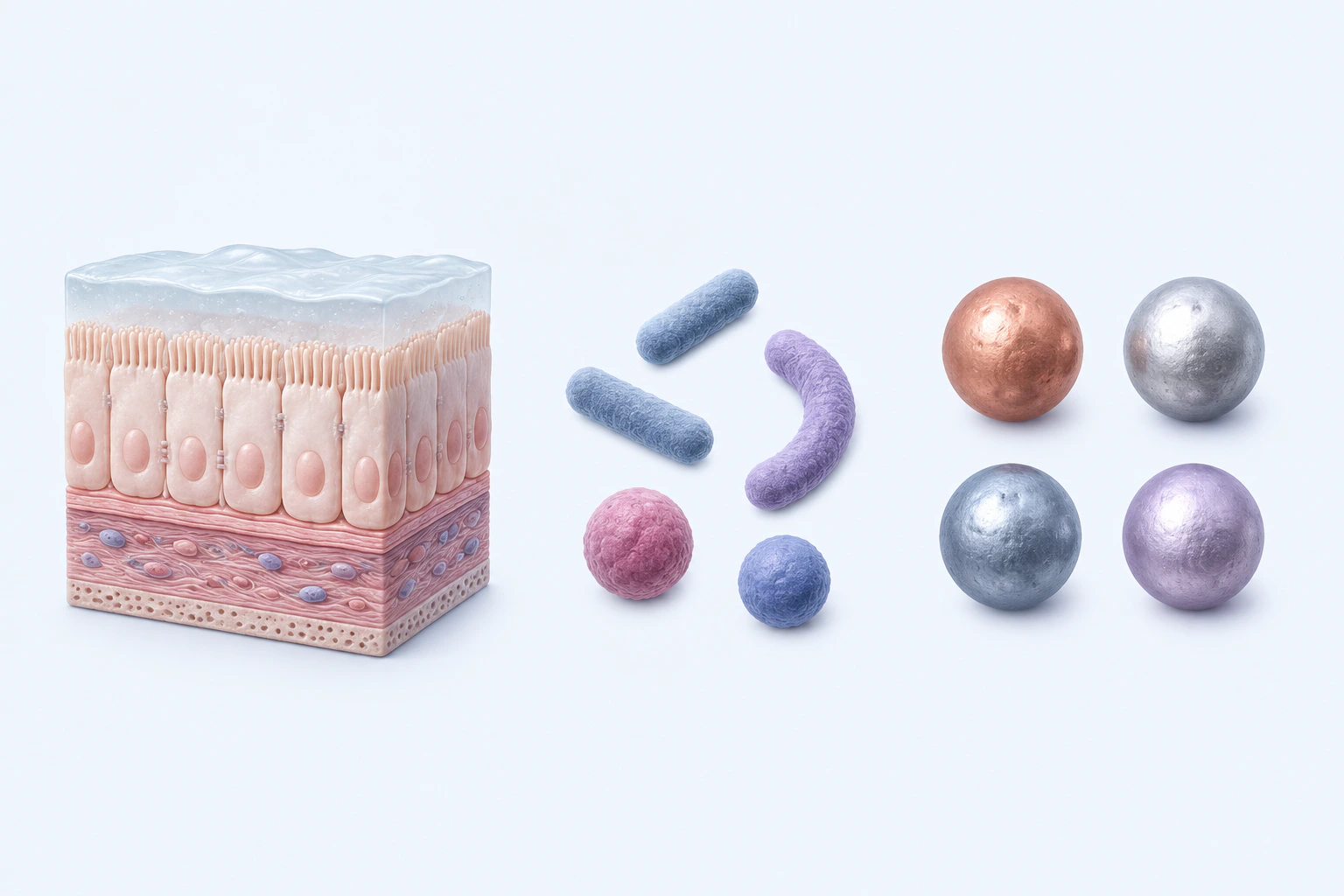
Metal sensing is the set of regulatory mechanisms bacteria use to detect intracellular metal concentrations and adjust gene expression accordingly. Because metal ions cannot be synthesized or degraded -- only imported, exported, sequestered, or trafficked -- sensing and

N
O
P
Mechanisms3 sources

Peptidoglycan

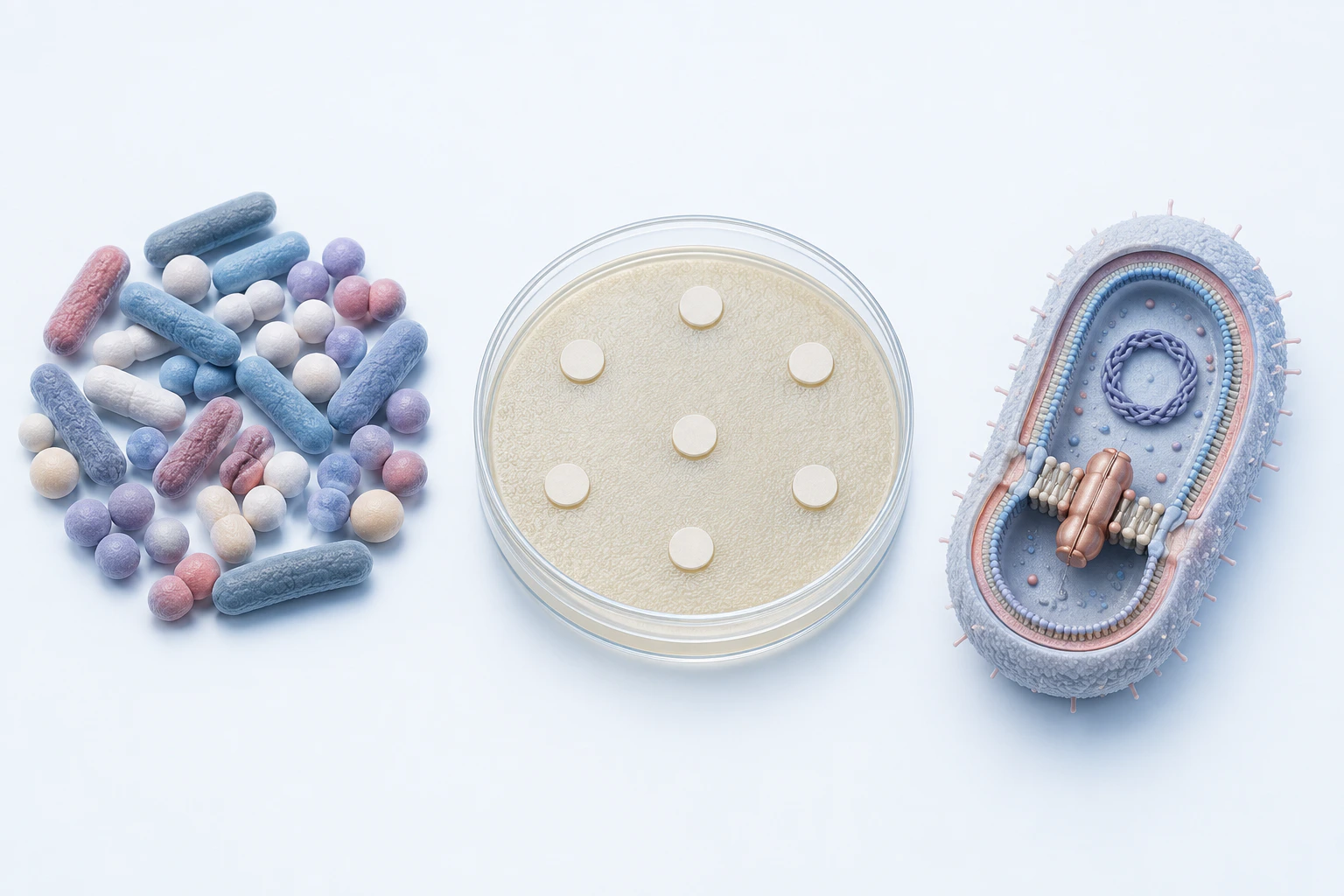
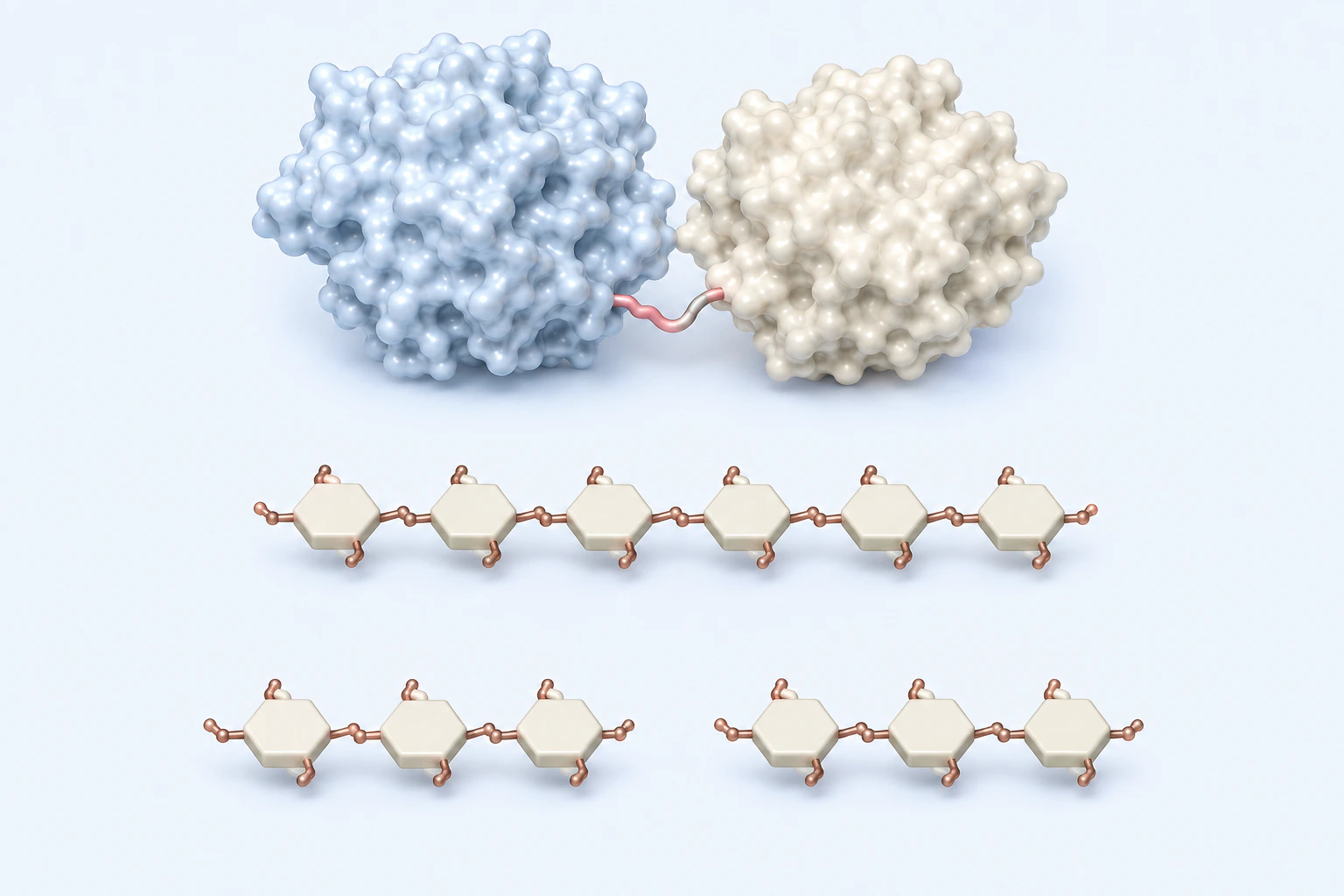
Peptidoglycan (murein) is the polymer of N-acetylglucosamine and N-acetylmuramic acid cross-linked by short peptides that forms the bacterial cell wall. It is a major pathogen-associated molecular pattern (PAMP) recognized by host TLR2 (intact peptidoglycan), NOD1 (meso

S
T
U
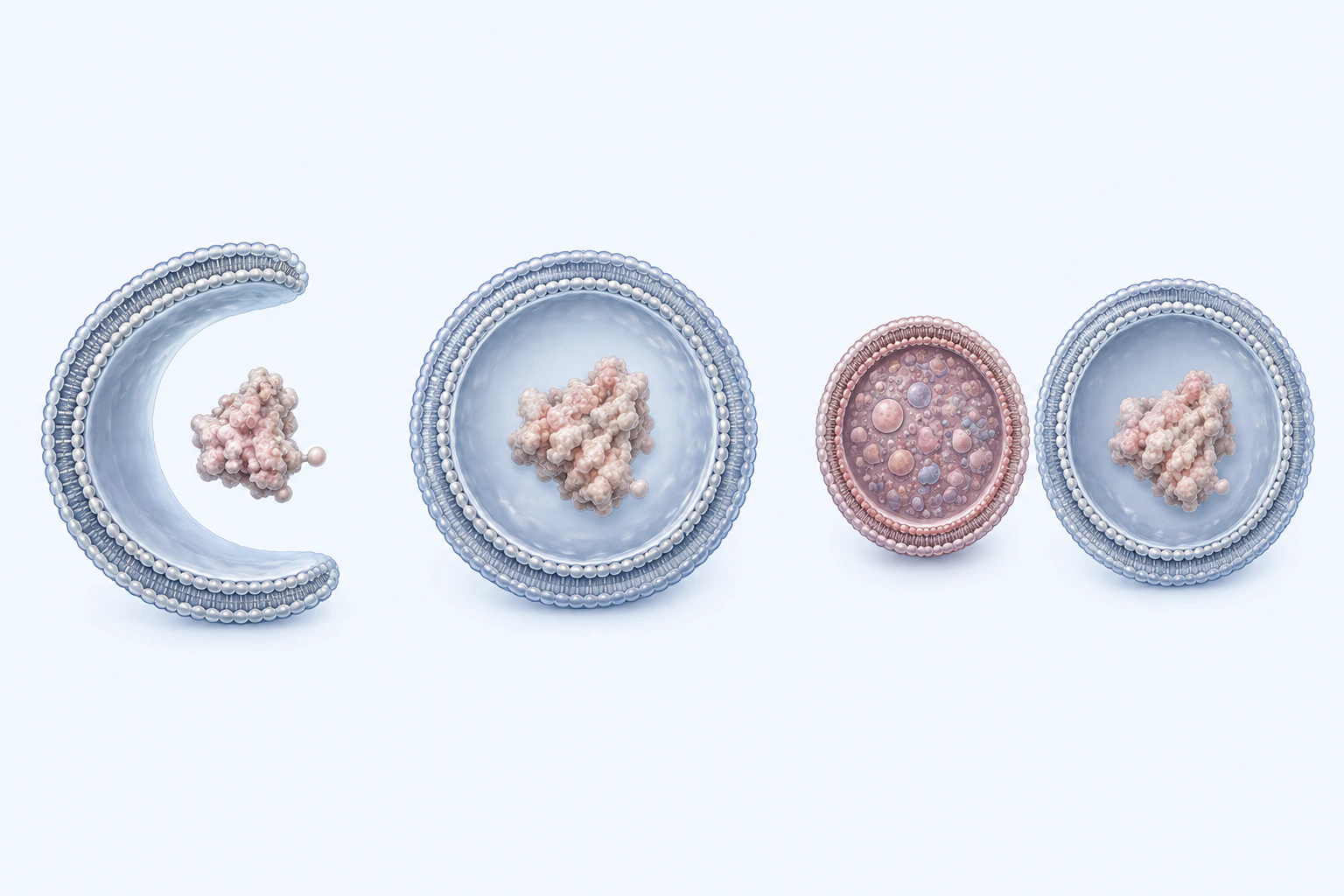
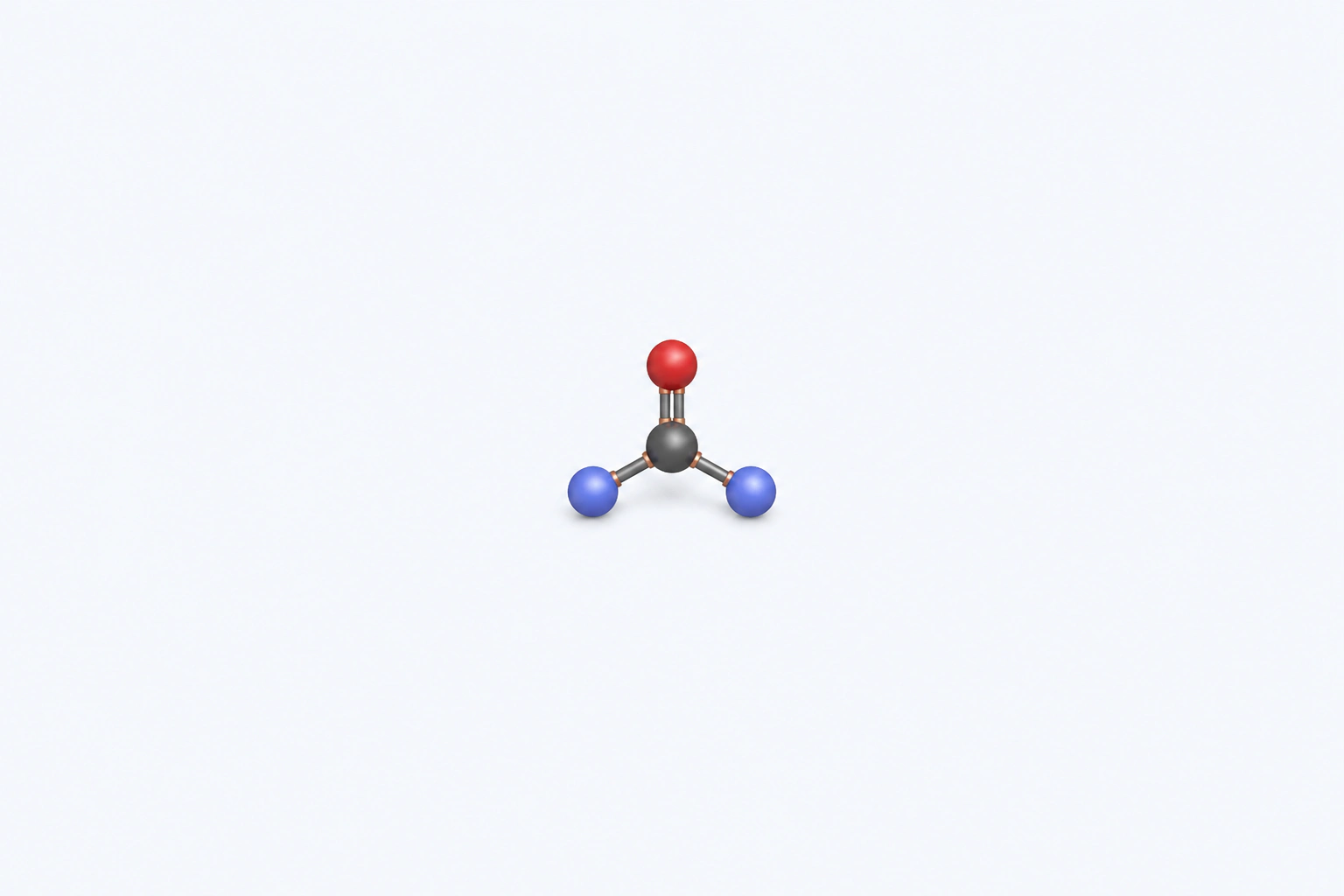
A compact urea connectivity model shows one carbonyl carbon, one oxygen, and two nitrogen centers, with hydrogens omitted.
Mechanisms6 sources

Urea

Urea is the substrate of urease. In the microbial systems covered by WikiBiome, urease hydrolyzes urea to ammonia and bicarbonate; those products can supply microbial nitrogen and help neutralize acidic environments maier 2019 nickel microbial pathogenesis. At a glance,

V