
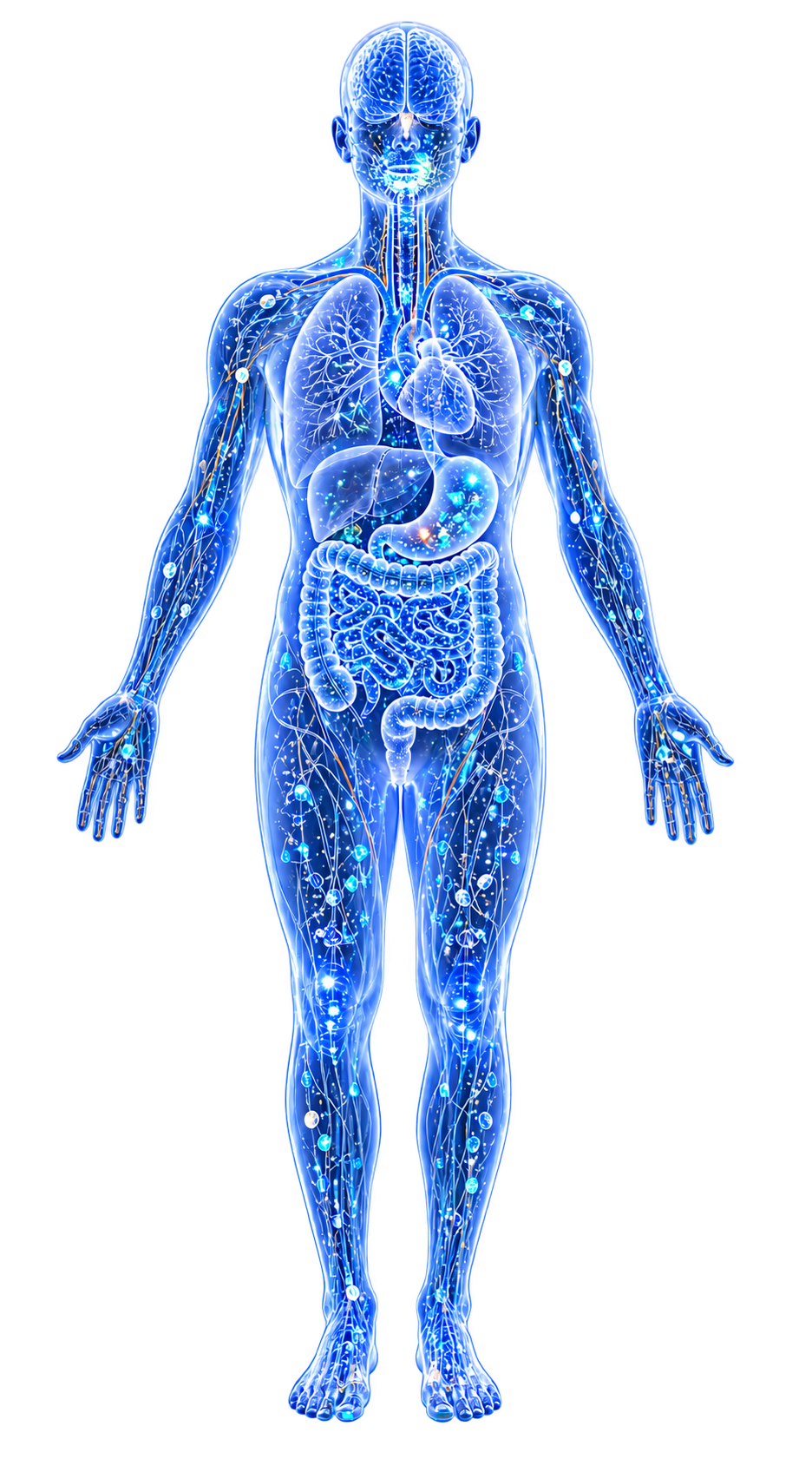
Plant-based diets shift the gut microbiome from proteolytic to saccharolytic fermentation, reducing production of the uremic toxins indoxyl sulfate (IS) and p-cresyl sulfate (PCS) that accelerate CKD progression. Plant protein has lower bioavailability, which reduces glomerular hyperfiltration pressure.
Mechanism#
Increased dietary fiber provides substrate for saccharolytic bacteria, competitively displacing proteolytic fermenters. Reduced animal protein intake limits tryptophan and tyrosine available for bacterial conversion to IS and PCS precursors. Plant protein's lower digestibility reduces the amino acid load reaching the colon.
Clinical Evidence#
Supported by evidence reviewed in Nature Reviews Nephrology. Plant-based dietary patterns are associated with slower eGFR decline and reduced cardiovascular risk in CKD populations.
Cautions#
Hyperkalemia risk in advanced CKD (stages 4-5) requires careful monitoring; potassium management strategies (soaking, boiling vegetables) may be necessary. Phosphorus from plant sources is less bioavailable (phytate-bound), which is actually favorable in CKD. Adequate caloric and protein intake must be ensured to prevent malnutrition.
Cross-References#
Article network
Mentioned here 3
Pages linking here 2
Connect the evidence
Publicly readable discussion by ORCID-authenticated researchers. Questions, interpretation, methods, corrections, and new evidence stay attached to this record.
No discussion yet. Start with a precise question or a source-backed observation.
Activity and accepted changes
Accepted researcher context, editorial status, public discussion, and upstream Git revisions are shown together. Pending, declined, and withdrawn proposals remain private.
- published revision
Deepen metal/concept entities + 8 new sources for T1D/schizophrenia
WikiBiome Deploy Bot · +56 −0
Inspect exact Git diff ↗