
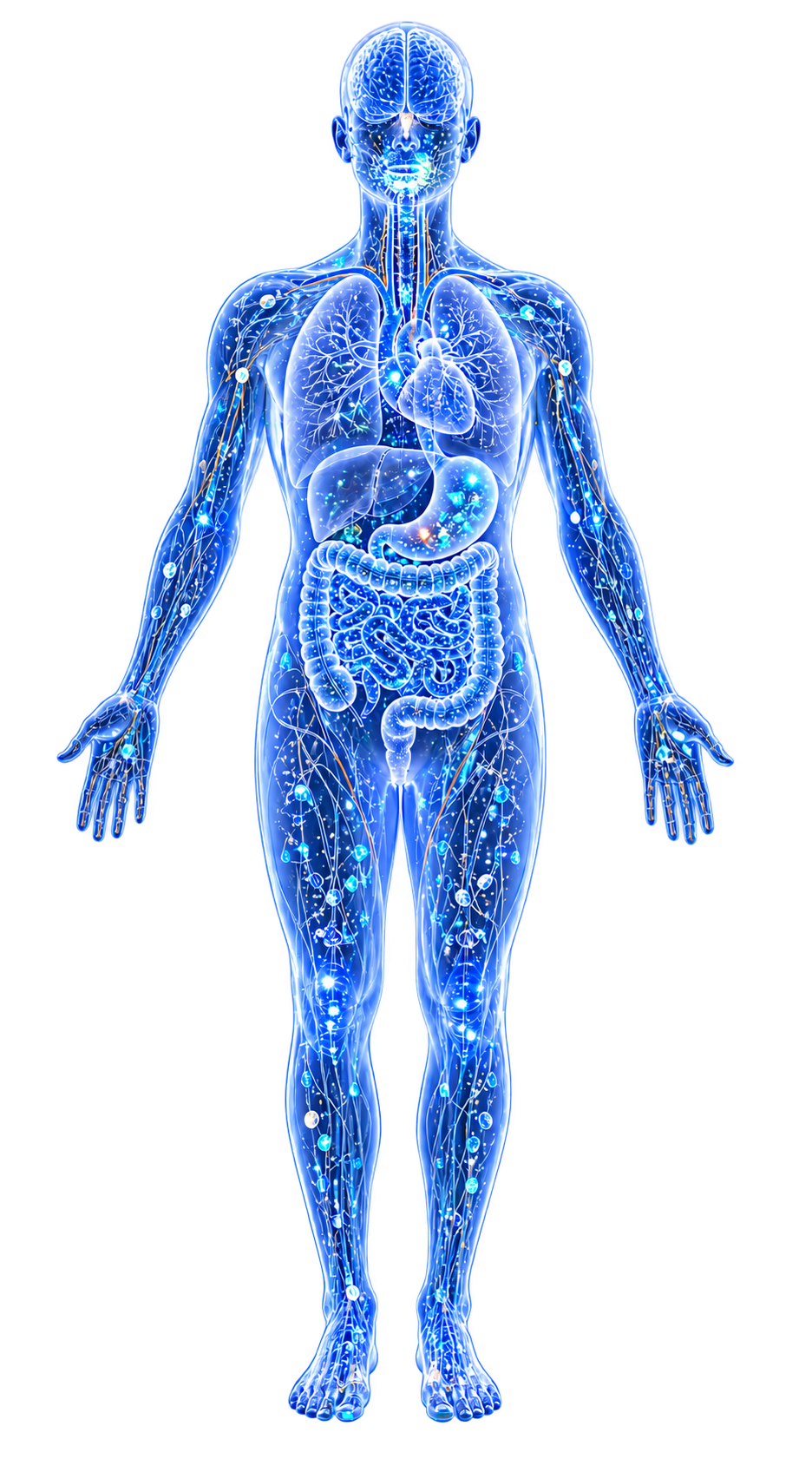
Probiotic supplementation targeting depleted Bifidobacterium and Lactobacillus in the postpartum period aims to restore gut-brain axis signaling disrupted during the dramatic hormonal shifts following delivery.
Mechanism#
SCFA restoration: Bifidobacterium and Lactobacillus produce acetate, lactate, and butyrate that strengthen gut barrier and signal via vagal afferents to modulate mood. Tryptophan metabolism: Healthy microbiome favors serotonin synthesis over kynurenine pathway; PPD is associated with increased kynurenine/tryptophan ratio.
Estrobolome interaction (Primitive 7): Postpartum estrogen collapse alters beta-glucuronidase-producing taxa; probiotic supplementation may stabilize estrogen recirculation during this transition. Neuroinflammation reduction: SCFAs cross the blood-brain barrier and reduce microglial activation.
Clinical Evidence#
Currently in-progress. Mechanistic rationale is strong based on gut-brain axis literature and animal models of postpartum mood disorders. Condition-specific RCTs are underway.
Clinical Considerations#
Safety profile of Bifidobacterium and Lactobacillus strains is well-established in pregnancy and postpartum. Timing of initiation (prenatal vs. immediately postpartum) may affect efficacy. Should complement, not replace, standard PPD screening and treatment.
Cross-References#
Article network
Mentioned here 3
Connect the evidence
Publicly readable discussion by ORCID-authenticated researchers. Questions, interpretation, methods, corrections, and new evidence stay attached to this record.
No discussion yet. Start with a precise question or a source-backed observation.
Activity and accepted changes
Accepted researcher context, editorial status, public discussion, and upstream Git revisions are shown together. Pending, declined, and withdrawn proposals remain private.
- published revision
Deepen metal/concept entities + 8 new sources for T1D/schizophrenia
WikiBiome Deploy Bot · +57 −0
Inspect exact Git diff ↗