
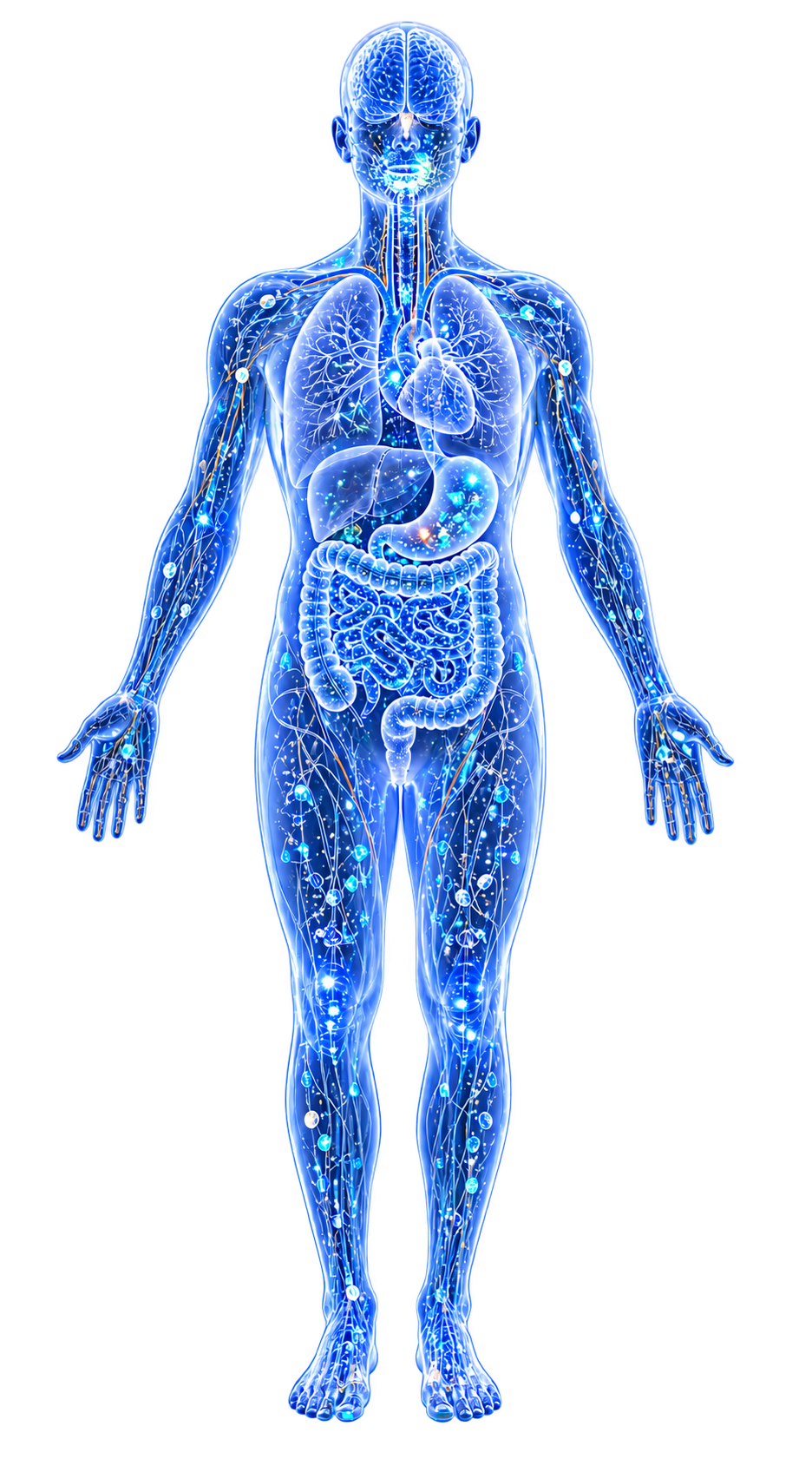
Early-life supplementation with L. rhamnosus GG (LGG) before 27 days of age reduced the risk of beta-cell autoimmunity in genetically at-risk infants, as demonstrated in the TEDDY study (The Environmental Determinants of Diabetes in the Young).
Mechanism#
The neonatal immune system undergoes a critical window of education shaped by early microbial colonizers. LGG promotes regulatory T-cell differentiation and immune tolerance during this window. Early establishment of a diverse, Lactobacillus-enriched microbiome reduces the probability of aberrant autoimmune activation against pancreatic beta cells.
Clinical Evidence#
The TEDDY study—a large prospective cohort following genetically at-risk children—found that probiotic supplementation initiated before 27 days of age was associated with reduced islet autoantibody seroconversion. The timing window was critical: later supplementation did not show the same benefit.
Clinical Considerations#
- Timing is essential: Benefit observed only with supplementation before 27 days of age
- Applicable to genetically at-risk infants (HLA-DR3/DR4 carriers)
- Safety profile of LGG in neonates is well established
- Does not replace breastfeeding, which provides complementary immune benefits
Cross-References#
Article network
Mentioned here 3
Pages linking here 1
Connect the evidence
Publicly readable discussion by ORCID-authenticated researchers. Questions, interpretation, methods, corrections, and new evidence stay attached to this record.
No discussion yet. Start with a precise question or a source-backed observation.
Activity and accepted changes
Accepted researcher context, editorial status, public discussion, and upstream Git revisions are shown together. Pending, declined, and withdrawn proposals remain private.
- published revision
Deepen metal/concept entities + 8 new sources for T1D/schizophrenia
WikiBiome Deploy Bot · +57 −0
Inspect exact Git diff ↗