
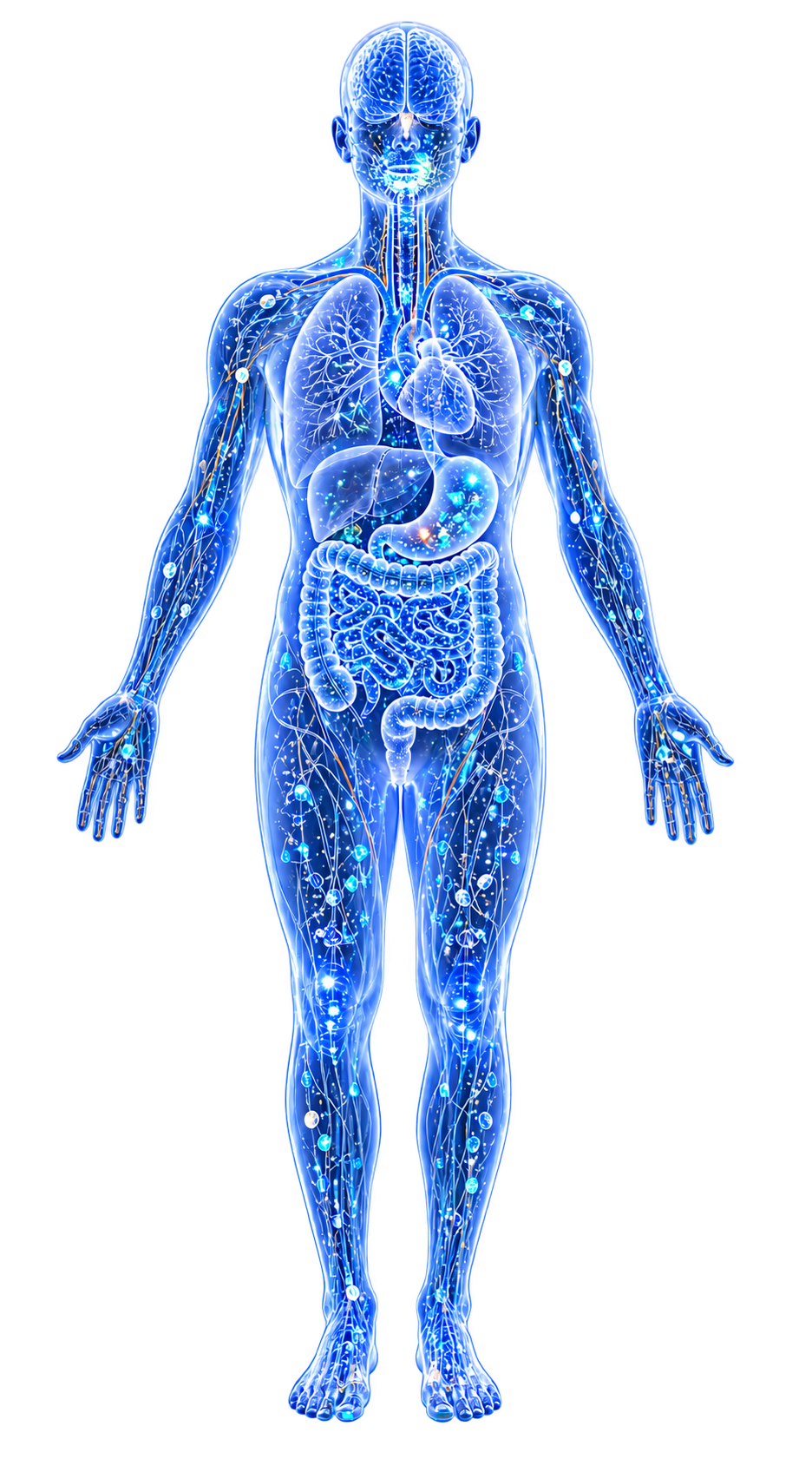
Low-carbohydrate diets reduce esophageal acid exposure time from 5.1% to 2.5% (P=0.022) by decreasing gastric distension and transient lower esophageal sphincter relaxations (TLESRs). Critically, benefits are independent of weight loss.
Mechanism#
Reduced carbohydrate fermentation in the stomach and proximal gut decreases gas production and gastric distension. Lower gastric distension reduces vagal mechanoreceptor activation, decreasing TLESR frequency. TLESRs are the dominant mechanism permitting gastroesophageal reflux events.
Clinical Evidence#
Supported by RCTs and meta-analysis. The reduction in acid exposure time (5.1% to 2.5%) crosses the clinical threshold from pathological to normal acid exposure, representing a meaningful symptomatic improvement.
Clinical Considerations#
Benefits occur independently of weight loss, suggesting a direct mechanistic effect. May be combined with Mediterranean diet principles (low-carb Mediterranean) for additive benefit. Sustainability of strict carbohydrate restriction should be discussed with patients.
Cross-References#
Article network
Connect the evidence
Publicly readable discussion by ORCID-authenticated researchers. Questions, interpretation, methods, corrections, and new evidence stay attached to this record.
No discussion yet. Start with a precise question or a source-backed observation.
Activity and accepted changes
Accepted researcher context, editorial status, public discussion, and upstream Git revisions are shown together. Pending, declined, and withdrawn proposals remain private.
- published revision
Deepen metal/concept entities + 8 new sources for T1D/schizophrenia
WikiBiome Deploy Bot · +56 −0
Inspect exact Git diff ↗